
PPC Services UK: A No-Bullsh*t Guide to Campaigns That Work
Right, let's cut to the chase. PPC services are about putting your business directly in front of UK customers the moment they’re searching for what you do. This isn't about buying clicks; it’s a direct, measurable way to get leads and sales without the long, slow burn of SEO. Think immediate impact and a proper return on your investment.
What Do PPC Services Actually Mean for a UK Business?
Pay-Per-Click (PPC) advertising is the engine room of digital marketing for any business that needs results now. The deal is simple: you pay a fee each time someone clicks on your ad, which appears right at the top of places like Google or in their social media feeds. It's a powerful, practical tool for rapid growth.
Here’s a good way to think about it. SEO is like building a house brick by brick. It’s a solid long-term investment, but it takes months, sometimes years, to pay off. PPC, on the other hand, is like renting a fully-furnished showroom on the busiest high street in town. You get instant visibility the day you open the doors.
For a plumber based in Devon, it means showing up first when someone frantically searches "emergency plumber Paignton." For a national car dealership, it means grabbing buyers who are actively looking for a specific model. You jump the queue.
Why UK Businesses Are Investing Heavily
The numbers don't lie. UK businesses get it – PPC is a primary channel for growth, not some marketing add-on. This isn't about chucking money at Google and hoping for the best; it's a calculated investment in a system that works. The focus has shifted from vague "brand awareness" to accountable, performance-based marketing that you can see on the bottom line.
The proof is in the spending. In 2024, UK search advertising—the core of most PPC work—hit a massive £16.9 billion , a 12.8% jump from the previous year. That spend now makes up 47% of all digital advertising in the UK, cementing PPC’s top-dog status. Even with an average cost-per-click (CPC) around £3.40 , it's still one of the most cost-effective ways for UK SMEs to get in the game. You can explore the full PPC marketing ROI data for a deeper dive.
At its heart, a PPC service isn't about managing clicks. It's a strategic partnership designed to turn ad spend into profitable customer action, whether that's a phone call, a filled-out form, or a sale.
Deciding between PPC and SEO often feels like a tough choice, but they serve different purposes. PPC is about speed and immediate visibility, while SEO is a long-term strategy for building organic authority. Here's a quick breakdown to see where your budget is best spent right now.
PPC vs SEO: A Straight Comparison for UK Businesses
| Factor | PPC (Pay-Per-Click) | SEO (Search Engine Optimisation) |
|---|---|---|
| Speed to Results | Immediate. Ads can go live within hours, driving traffic instantly. | Slow. Can take 6-12+ months to see significant organic rankings. |
| Cost | You pay for every click. Budget is predictable but ongoing. | No cost per click, but requires investment in content, tech, and expertise. |
| Visibility | Guaranteed top-of-page placement for your target keywords. | Rankings fluctuate based on algorithm changes and competition. |
| Targeting | Highly specific. Target by keyword, location, demographic, device, etc. | Broader targeting based on content relevance and authority. |
| Longevity | Traffic stops the moment you stop paying. It's a tap. | Builds long-term, sustainable traffic and brand authority over time. |
Ultimately, the best strategies use both. PPC gets you in the game today while your SEO efforts build foundational strength for tomorrow.
The Scope of Modern PPC Services
Proper PPC services UK today go way beyond running a few ads on Google. It’s about being smart and showing up where your customers actually spend their time. A comprehensive PPC strategy will typically include:
- Search Ads: The classic. Targeting users on Google and Bing based on the exact keywords they're typing in. This is where you capture high-intent customers.
- Social Media Ads: Reaching audiences on platforms like Facebook, Instagram, LinkedIn, and X (formerly Twitter) based on their demographics, interests, and online behaviour.
- Display Advertising: Placing visual banner ads across a huge network of websites and apps. Brilliant for building brand recognition and retargeting people who’ve already visited your site.
- Shopping Ads: A must for any e-commerce business. These showcase your products with images and prices directly in the search results.
- Video Ads: Using platforms like YouTube to grab attention with engaging video. Perfect for telling your brand’s story and making a real connection.
For any business fed up with fluffy marketing and agencies that don’t deliver, PPC brings clarity. Every pound is tracked, every lead is measured, and success is defined by results you can actually see.
What Goes Into a High-Performing UK PPC Campaign?
Let's look under the bonnet. A high-performing PPC campaign isn't a random collection of ads and keywords; it's a meticulously engineered system designed for one thing: getting you results.
Forget the textbook definitions. This is about the real-world mechanics of turning clicks into actual, paying customers. Too many businesses get this wrong. They throw money at vague keywords, write bland ads, and then wonder why the phone isn't ringing.
A successful campaign is built on distinct, interconnected parts, each one fine-tuned to do its job perfectly. It's part science, part art, and all focused on your bottom line.
Nailing Your Keyword Research
Everything starts here. Get your keywords wrong, and nothing else matters. The goal isn't to find the most keywords; it’s to find the right ones. This means getting inside your customer's head and figuring out the exact phrases they’re typing into Google when they need what you sell.
It all comes down to intent. A national motorsport team trying to attract sponsors won’t be bidding on broad terms like "motorsport." They'll go after highly specific, long-tail keywords like "UK corporate motorsport sponsorship packages" or "BTCC sponsor return on investment." These searches signal clear commercial intent.
Compare that to a holiday cottage business in Devon. Their focus is local and seasonal. Their money keywords would be phrases like "dog-friendly cottage Salcombe last minute" or "luxury family holiday homes South Devon." One is targeting corporate decision-makers; the other is targeting holidaymakers. The research process uncovers that vital difference.
Crafting Ad Copy That Converts
Think of your ad as your digital shop window. It has a split second to grab attention and convince someone to click. Most ads are terrible—boring, generic, and blend into the background. Great ad copy speaks directly to the searcher's problem and offers a clear, compelling solution.
A powerful ad will almost always contain three core elements:
- Relevance: It directly mirrors the user's search query, making them feel instantly understood.
- Benefit: It clearly states what's in it for them. Think "Save 20%," "Get a Free Quote," or "Next-Day Delivery."
- Call to Action (CTA): It tells them exactly what to do next. "Book Now," "Shop the Sale," or "Download Your Guide."
Good copy is the hook. It gets the click, but its job is only halfway done.
The Landing Page: Your Unsung Hero
This is where so many campaigns fall apart. You can have the best keywords and the most compelling ad in the world, but if you send that hard-won click to your generic homepage, you’ve wasted your money. The landing page has one job: to convert that visitor into a lead or a customer.
A great landing page is a continuation of the conversation started by your ad. The headline should match the ad copy, the content should expand on the offer, and the form or 'buy' button should be impossible to miss.
Your ad makes a promise; your landing page delivers on it. For the automotive sector, an average search conversion rate hovers around 6.03% . A highly-optimised landing page is precisely what makes the difference between hitting that benchmark and falling completely flat.
Bid Management and Constant Optimisation
Finally, there's the ongoing work of managing the campaign. This isn't a "set it and forget it" machine. It requires constant attention to bid management—ensuring you're paying the right price for each click without overspending—and a relentless focus on optimisation.
This involves:
- A/B Testing: Constantly testing different ad headlines and descriptions to see what really resonates with your audience.
- Negative Keywords: Actively blocking irrelevant searches to stop your budget from being wasted on tyre-kickers.
- Performance Analysis: Diving into the data to see which ads, keywords, and demographics are driving actual results, then reallocating your budget accordingly.
This is the day-to-day graft that separates a profitable PPC campaign from a money pit. It's about making small, data-driven adjustments that compound over time into significant returns.
Measuring Performance and Proving PPC ROI
Forget the fluff. Vanity metrics like impressions and clicks might look good in a glossy report, but they don't pay the bills. If a PPC agency is leading with those numbers, it’s a big red flag.
The only metric that truly matters is your Return on Investment (ROI) . For every pound you put into a campaign, how much profit are you getting back? That's the question.
This is where many businesses get fobbed off with confusing jargon. Let’s cut straight through that. Measuring performance is about tracking the numbers that directly impact your bottom line. It’s how you hold your PPC service accountable for tangible results, whether that’s new leads for your Devon trades business or sales for your national automotive brand.
Getting this right is critical. The UK digital marketing market, which includes PPC services UK , hit a staggering USD 19.6 billion in 2024 and is forecast to climb to USD 47.1 billion by 2033. With PPC averaging a 200% ROI , its power to deliver measurable growth is undeniable. You can explore the full UK digital marketing market report to see just how big this opportunity is.
The KPIs That Actually Matter
To prove your PPC is working, you need to focus on the Key Performance Indicators (KPIs) that connect directly to your business goals. Here are the big three you should be watching like a hawk:
- Cost Per Acquisition (CPA): This is the total cost of winning one new customer. You work it out by dividing your total ad spend by the number of new customers. It tells you exactly what you're paying to get a result.
- Return On Ad Spend (ROAS): This measures the raw revenue generated for every pound spent on ads. If you spend £100 and bring in £500 of sales, your ROAS is 5x. It's a direct measure of campaign profitability.
- Conversion Rate: This is the percentage of people who click your ad and then do what you want them to do (like make a purchase or fill out a form). A low conversion rate often points to a weak landing page.
This simple flowchart breaks down the critical parts that influence these KPIs.
It shows how proper research, compelling ad copy, and an optimised landing page all have to work together to get you the results you want.
Realistic UK Industry Benchmarks
Knowing what "good" looks like is half the battle. Performance varies hugely between sectors, so comparing your results to a different industry is pointless.
Here are some realistic benchmarks for key UK industries to help you gauge your own campaigns:
| Industry | Average Conversion Rate (Search) | Average Cost Per Acquisition (CPA) |
|---|---|---|
| Automotive | 6.03% | £27.65 |
| Tourism & Hospitality | 3.55% | £36.91 |
| Professional Services (Legal) | 6.98% | £71.00 |
| E-commerce | 2.81% | £37.35 |
If your numbers are miles off these, it’s time to ask your agency some hard questions about their strategy.
Calculating Your True ROI
Proving the real value of your PPC campaign boils down to a simple calculation. You need to know your total ad spend and the total profit generated from the leads or sales that came directly from your ads.
ROI Formula: (Profit from Ad Spend - Total Ad Spend) / Total Ad Spend x 100
For example, if you spend £2,000 on a campaign that generates £8,000 in profit, your ROI is a very healthy 300% . This is the number that proves your investment is working. To get a proper handle on this, you need solid tracking in place, linking clicks to conversions and, ultimately, to revenue.
This process is vital for making smart business decisions. For a more detailed breakdown, check out our guide on how to measure ROI: a UK marketer's guide . It gives you a practical framework for connecting your marketing spend to real-world business growth.
Custom PPC Strategies for Key UK Industries
A generic, one-size-fits-all approach to PPC is a guaranteed way to burn through your budget. Any agency telling you otherwise is either lazy or doesn't get it. The strategy that works for a local Devon plumber will fall flat for a national motorsport series.
Your business operates in its own unique world, with specific customers and challenges. Your PPC strategy has to reflect that. This is where real expertise comes in—moving beyond the textbook to build campaigns engineered for your specific industry. It’s about knowing the tiny details of your sector and using that knowledge to get ahead.
Motorsport Marketing and Sponsor Recruitment
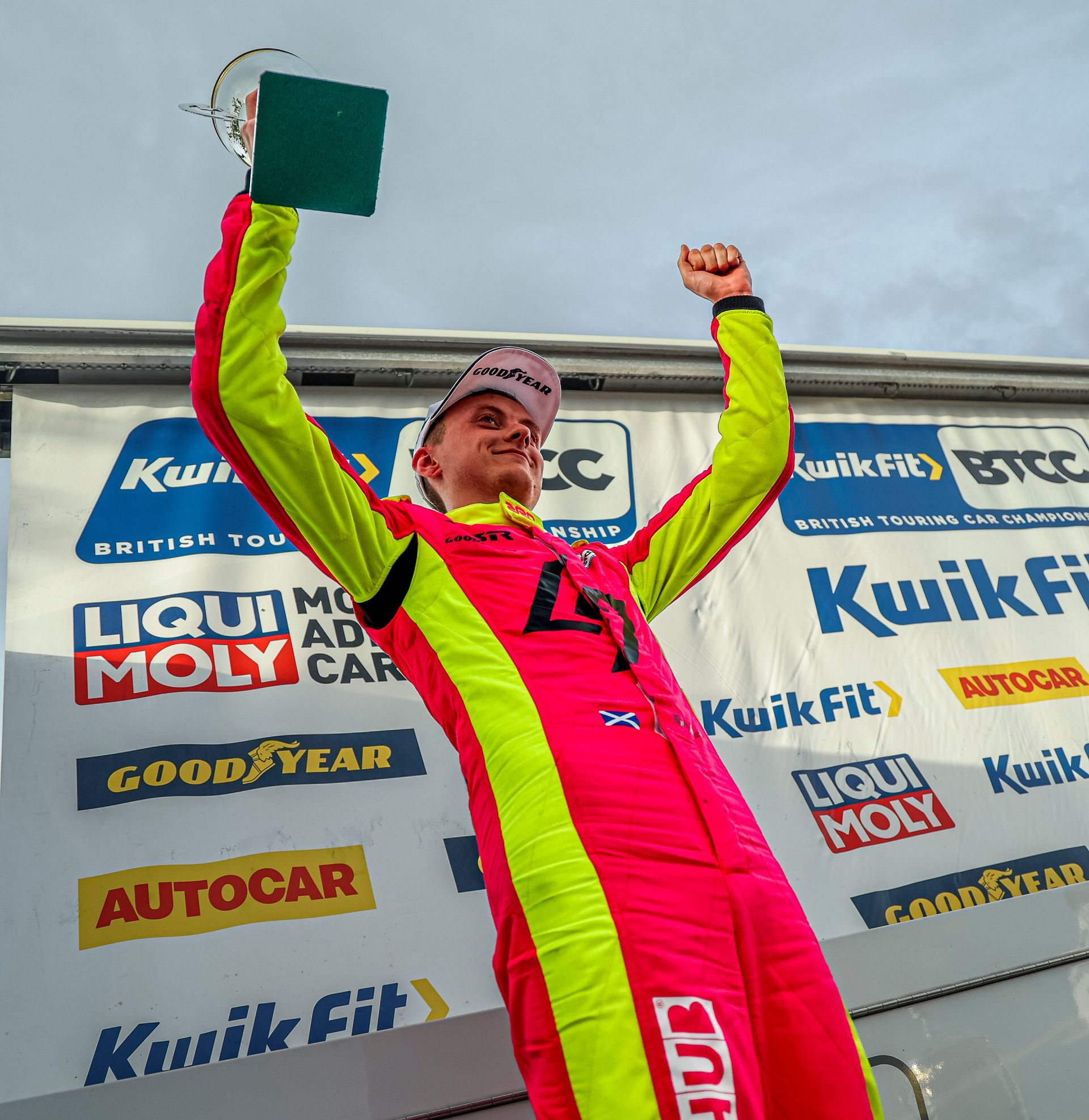
Motorsport is a world we know inside and out. PPC here isn't just about selling tickets; it's a powerful tool for attracting high-value corporate sponsors for championships like the British Touring Car Championship (BTCC).
The audience is completely different. You’re not targeting fans with general ads. Instead, you need laser-focused campaigns on platforms like LinkedIn and Google Search.
- Keyword Strategy: Forget broad terms. You need to focus on long-tail, B2B keywords that signal serious commercial intent. Think "motorsport sponsorship ROI," "BTCC corporate hospitality packages," or "automotive brand exposure UK racing."
- Ad Messaging: Your ad copy has to speak the language of business. It's all about tangible benefits: brand visibility, TV coverage, B2B networking opportunities, and a measurable return on investment.
- Audience Targeting: Use LinkedIn to get in front of decision-makers. Target them by job title (like Marketing Director or CEO) in relevant industries such as automotive, finance, and tech.
Automotive Dealerships and Garages
For car dealerships and local garages, the game is simple: generate a steady stream of high-quality local leads. The competition is fierce, so you have to be smarter with your targeting and messaging to cut through the noise.
A successful automotive campaign is built on location and intent. You want to capture customers in your immediate area who are actively looking for a vehicle or a service right now. A deep understanding of the market is crucial, which is why resources like an essential guide to the UK motor trade are so valuable for shaping these custom strategies.
The key is to make it incredibly easy for a local customer to find you, see what you offer, and get in touch. Every click should lead to a clear, simple action—a phone call, a test drive booking, or a service appointment.
Key tactics include:
- Hyper-Local Targeting: Use tight geographic targeting (geofencing) around your dealership or garage. This stops you wasting money on clicks from people miles outside your catchment area.
- Service-Specific Campaigns: Create separate ad groups for things like "MOT testing," "used Ford Focus for sale," and "BMW servicing." This lets you match your ads and landing pages perfectly to what the user is searching for.
- Call Extensions and Local Ads: Make it dead simple for mobile users to call you directly from the ad. Google's Local Service Ads can also be a game-changer for building instant trust.
Tourism and Hospitality in Devon
Here in the South West, tourism and hospitality are the lifeblood of the local economy. PPC for this sector is all about seasonality, timing, and showing off what makes a place special. You’re not just selling a room; you're selling an experience.
Campaigns have to be agile, ready to adapt to booking windows, school holidays, and even the weekend weather forecast.
- Seasonal Campaigns: Push hard during the key booking periods (January-March) and for last-minute deals in the summer. Create specific campaigns for half-term breaks and bank holidays.
- Visual-First Ads: Use Display and Social Media ads with stunning images and video of your location. Show off the beaches, the countryside, and the attractions that make Devon a top destination.
- Audience Targeting: Go after users based on their interests (like family holidays, hiking, or dog-friendly breaks) and use remarketing to bring previous website visitors back to book again.
Tradespeople and Local Services
For tradespeople—plumbers, electricians, builders—PPC is about owning the local search results. When a pipe bursts, nobody is casually browsing. They're grabbing their phone and searching for immediate help. Your business needs to be the very first one they see.
The strategy here is direct, urgent, and to the point.
- High-Intent Keywords: Focus on keywords that scream "help me now," like "emergency," "24-hour," and "near me." For example, "emergency plumber Torquay" or "electrician needed now in Exeter."
- Click-to-Call Ads: This is non-negotiable. The main goal is to get your phone ringing. Your campaigns must be optimised for mobile, with a big, obvious call button.
- Trust Signals: Your ad copy needs to build instant credibility. Highlight your qualifications, positive reviews ("5-Star Rated"), and any guarantees you offer.
Of course, businesses that sell products online play by a different set of rules. You can learn more by mastering PPC for e-commerce success in our dedicated guide.
How to Choose the Right UK PPC Agency
Let's be honest. Picking a partner to manage your PPC is a massive decision, and plenty of UK business owners have the scars to prove they got it wrong.
The market is flooded with agencies that talk a good game but deliver little more than a glossy report full of vanity metrics. This isn't about choosing us; it's about equipping you to spot the nonsense and avoid getting ripped off.
Too many businesses have been burned by an agency that overpromises and underdelivers. They sell you a dream of guaranteed first-page rankings, lock you into a long contract, and then disappear behind a wall of jargon.
A good partner for your PPC services UK strategy should feel like an extension of your team, not some mysterious third party who holds your data hostage.
The Red Flags to Watch For
Vetting a potential PPC agency is a bit like inspecting a used car—you need to know what to look for. Slick presentations and big promises mean nothing. You're looking for substance and transparency.
Here are the immediate warning signs that should have you running for the hills:
- "Guaranteed Results": Nobody can guarantee a #1 spot on Google. Anyone who says they can is either lying or doesn't understand how PPC works.
- Lack of Transparency: If they won't give you full, admin-level access to your own Google Ads account, it's a huge red flag. It's your account and your data; you should own it.
- Vague Strategy Talk: If they can't clearly explain how they plan to get you results, beyond buzzwords, they don't have a real plan. Ask them to walk you through a campaign for a business like yours.
This focus on clear, industry-specific outcomes is exactly what you should demand from any potential partner.
Key Questions to Ask Any Potential Agency
Before you sign on the dotted line, you need to ask some direct questions. Their answers will tell you everything you need to know.
Treat this like a job interview, because that's what it is. You're hiring a critical partner for your business's growth.
The right agency focuses on your business outcomes, not just their campaign activities. Their success should be measured by your ROI, not by how many clicks they bought.
Arm yourself with these critical questions:
- Who will actually be working on my account? Will it be the senior expert you're talking to now, or will your account be handed off to a junior manager the moment you sign?
- What is your management fee structure? Is it a flat fee, a percentage of ad spend, or performance-based? Demand total clarity on how they make their money.
- How will you measure success for my business? Their answer must go beyond clicks and impressions. They should be talking about Cost Per Acquisition (CPA), lead quality, and Return on Ad Spend (ROAS).
- Can you show me case studies from UK businesses in my sector? Relevant experience is non-negotiable. Getting results for a national e-commerce brand doesn't prove they can help a local, Devon-based tradesperson.
Choosing the right partner is one of the most important marketing decisions you'll make. For a deeper dive into the vetting process, our comprehensive guide on how to choose a digital marketing agency provides a full checklist. To empower your chosen agency or your in-house team with the right resources, explore the best PPC tools available.
Right, let’s get this sorted.
We’ve pulled apart everything from campaign setup to picking an agency. Now it’s time to put it all to work. The main thing to remember is this: PPC is a brutally direct and powerful tool, but only if you know how to wield it.
If there’s one thing you take away, make it this: ROI is the only metric that truly matters . Impressions, clicks, and leads are just noise if they don’t translate into profitable growth. Success isn’t about looking busy; it’s about making every pound you invest come back with friends. This guide gives you the framework to hold any agency—including us—accountable for that result.
Time to Get Moving
Knowing the theory is one thing. Making it work for your business is another. Whether you're already running campaigns or just thinking about it, your next move needs to be decisive. Don't let your budget slowly bleed out on a failing strategy.
To help you cut through the nonsense, here’s a quick checklist you can use right now. Use it to audit what you’re doing, or to plan your first campaign with a clear head.
- Audit Your Goals: Are your campaigns linked to hard business outcomes (like 'generate 20 qualified sales leads per month' ) or just fluffy marketing targets?
- Check Your Tracking: Is your conversion tracking actually measuring the things that make you money, like form fills, phone calls, or completed sales?
- Review Your Landing Pages: Are you sending that expensive traffic to a specific, relevant landing page designed to convert, or just dumping it on your homepage and hoping for the best?
- Analyse Your Partner: Is your agency transparent and focused on results, or are they hiding behind jargon and vanity metrics?
If you can't say a confident 'yes' to every one of those, it’s time for a straight-talking review. Wasted ad spend is a silent killer for any business.
Feeling a bit shaky on your answers? That’s exactly where we come in.
Book a no-obligation, bullsh*t-free review with our team. We’ll take a proper look at what you’re doing and give you honest, actionable advice to get the results your business actually deserves.
Frequently Asked Questions About UK PPC Services
Whether you’re dipping your toe into paid ads or have been running campaigns for years, these are the questions we hear on repeat. Let’s strip away the jargon and get straight to the heart of what PPC services UK can do for you.
How Much Should A UK Business Spend On PPC?
There’s no one-size-fits-all figure—any agency that quotes you a number before understanding your business is guessing. The right budget depends entirely on your industry, location, and goals.
A sole trader plumber in Devon might see traction with £500–£1,000 per month . A nationwide automotive dealer targeting London and other major cities typically needs around £5,000–£10,000+ per month .
Here’s the trick: pick a budget you’re happy to commit for the first 90 days. Treat it as a trial run to gather real data on your Cost Per Acquisition (CPA). Once you know what’s working, you can scale up.
How Long Does It Take To See Results From PPC?
PPC’s superpower is speed. While SEO can feel like watching paint dry—often taking six months or more—PPC can drive traffic and enquiries almost immediately. We’ve seen clients get clicks within hours of going live .
That said, turning early clicks into a steady profit takes a bit longer. The first month is about learning: testing headlines, fine-tuning bids and cutting out wasted spend. By the end of month three—around 90 days —you should see a clear upward trend and a healthy return on investment. If not, it’s time to rethink your approach.
“Clicks are the opening act; customers are the main show.”
What’s Included In A PPC Management Fee?
A robust management fee covers much more than just setting up ads. You’re paying for ongoing expertise to squeeze every drop of value from your budget. Here’s what proper PPC services UK should include:
- Strategy & Setup: Campaign structure, in-depth keyword research and ad copywriting
- Ongoing Optimisation: A/B testing, bid adjustments and negative keyword refinement
- Landing Page Guidance: Practical tips to tweak page elements and boost conversion rates
- Reporting & Analysis: Regular, transparent reports focused on ROI, CPA and your core objectives
In essence, the fee pays for the continuous tweaks and data-driven decisions that turn ad spend into profit.
Armed with these answers, you’re ready to turn intention into action. Don’t let competitors steam ahead while you watch from the sidelines.
At SuperHub , we cut through the waffle and deliver results-driven PPC management for ambitious UK businesses.
Want This Done For You?
SuperHub helps UK brands with video, content, SEO and marketing that actually drives revenue. No vanity metrics. No bullsh*t.