


Expert Guide to Create Digital Content Effectively in 2026
In 2026, digital content is the heartbeat of every ambitious brand. Yet, with audiences overwhelmed by constant digital noise, achieving standout visibility and growth is more complex than ever. The challenge is clear: How do you create digital content that not only captures attention but also drives real business results?
This expert guide provides actionable strategies, highlights emerging trends, and shares proven frameworks to help you succeed. You will discover essential content types, step-by-step creation workflows, advanced audience targeting, and the latest tools for success.
Whether you are in Motorsport, Renewables, Tourism, Fast Food, or Technology, the following insights will empower you to cut through the clutter and achieve measurable impact in 2026.
Understanding Digital Content in 2026
Digital content in 2026 is more than words on a screen. It is a rich tapestry of formats, including text, images, video, audio, and interactive media. Brands now create digital content that ranges from immersive AR experiences to live-streamed events and AI-powered chatbots. Whether it is a snappy social media post, a detailed report, or a dynamic infographic, the landscape is broad and ever-expanding.
From 2024 to 2026, the pace of change has accelerated. The integration of AI tools has revolutionised how teams create digital content, automating production and enhancing personalisation at scale. Augmented reality and virtual reality are now commonplace, offering audiences deeper engagement. Omnichannel delivery ensures that content reaches users wherever they are, seamlessly connecting web, mobile, and physical experiences.
Brands that create digital content effectively enjoy clear advantages. Improved SEO performance, higher customer engagement, and measurable revenue growth are direct results of strategic content investment. According to Shopify, over 80 percent of UK businesses now invest in digital content, reflecting its central role in marketing. For those seeking a broader perspective, the digital content marketing guide from SUPERHUB offers further insights into building a robust strategy.
Consumption habits are shifting rapidly. Mobile-first experiences dominate as users increasingly favour snackable formats and short-form video. Video is expected to account for 80 percent of all online traffic by 2026. In Tourism, AR-powered tours captivate travellers. Renewables brands use real-time, data-driven updates to demonstrate impact. Fast Food chains tap into user-generated content, encouraging customers to share their own stories and reviews.
Yet, the challenge to create digital content that stands out is greater than ever. Audiences are bombarded with choices, attention spans are shrinking, and authenticity is non-negotiable. Content saturation threatens to drown out even the most creative efforts. However, forward-thinking brands see opportunities in new technologies, hyper-niche targeting, and community-driven initiatives. Building trust and fostering genuine interaction will define success for those who adapt and innovate.
Essential Digital Content Types for Maximum Impact
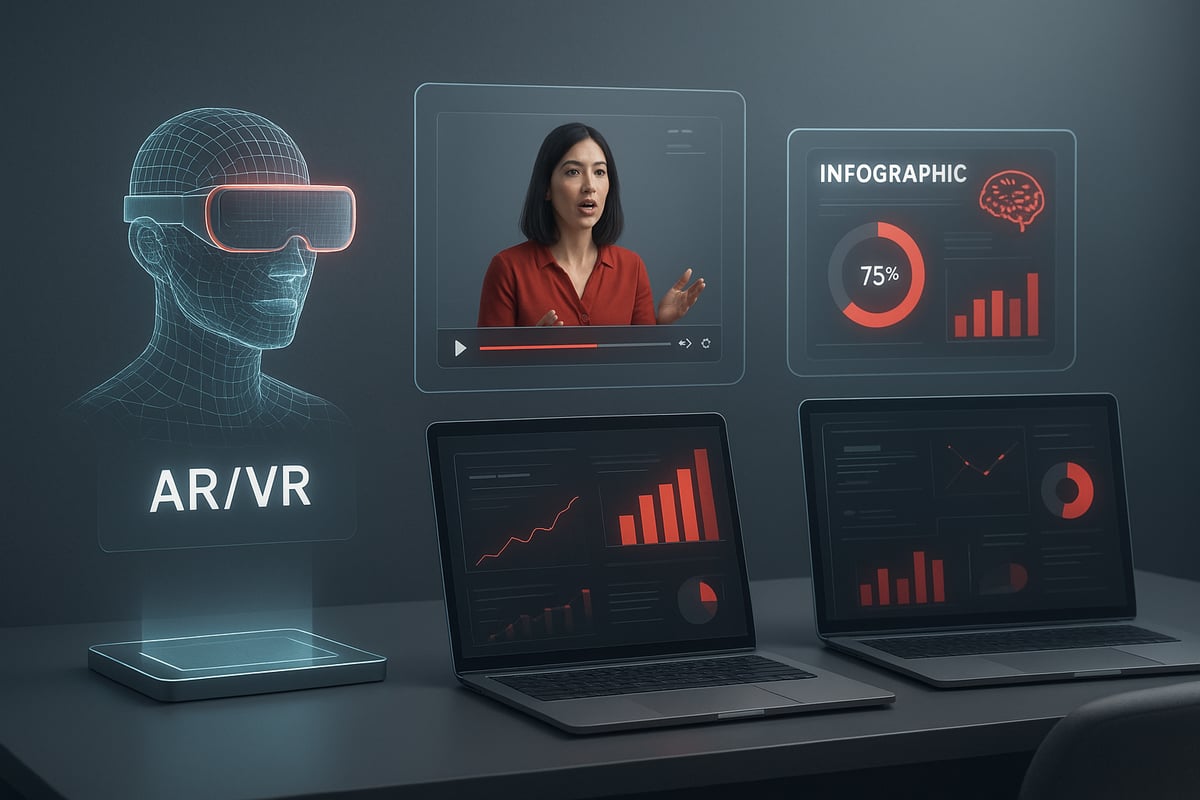
In 2026, brands must strategically choose the right formats to create digital content that stands out. Adapting to rapid shifts in audience behaviour means understanding which content types deliver results across different sectors. The following breakdown explores the most impactful formats, with sector-specific examples and actionable insights for each. Staying ahead requires a blend of creativity, technology, and an awareness of future trends, as highlighted in Adobe's 2026 Creative Trends. Let us examine how to create digital content that captures attention and drives engagement.

Text-Based Content
Text-based formats remain the foundation when brands aim to create digital content with authority and depth. Blog posts, white papers, press releases, and datasets offer versatility and strong SEO value. These formats drive organic traffic and establish expertise, especially in B2B scenarios where white papers demonstrate thought leadership. For lead generation, well-crafted articles nurture prospects through the buyer journey. Consistent publishing builds trust and enhances discoverability. In sectors such as technology and renewables, detailed reports and guides educate audiences and drive conversions. The ability to create digital content that is both informative and optimised ensures measurable business impact.
Visual Content
Visual elements are essential when you create digital content that is instantly shareable and easy to digest. Infographics, branded photography, illustrations, and memes help convey complex information quickly. They boost comprehension and encourage social sharing, making them ideal for fast-moving platforms like Instagram. In the Fast Food sector, brands use playful infographics to highlight menu items and nutritional facts, sparking conversation. Eye-catching visuals also support accessibility by breaking up dense text. Investing in high-quality imagery and visual storytelling enhances brand recall. To create digital content that resonates, prioritise originality and on-brand aesthetics.
Video Content
Video is forecast to account for 80 percent of online traffic by 2026, making it indispensable as you create digital content for diverse audiences. Short-form videos, such as TikTok clips and Instagram Reels, capture fleeting attention spans, while long-form formats like YouTube series and webinars provide deeper engagement. Motorsport teams, for example, share vlogs and event highlights, connecting fans to the action in real time. High-quality video content humanises brands and builds emotional connections. Leveraging video to create digital content that informs, entertains, and converts is crucial for sustained growth.
Audio & Podcasts
Audio formats are surging in popularity, especially for audiences who prefer to consume content on the go. Podcasts, audiobooks, and live audio rooms offer flexible ways to create digital content that builds thought leadership and trust. In the Technology sector, brands host podcasts to discuss trends and share expert insights, positioning themselves at the forefront of innovation. Audio content fosters a sense of intimacy and community, encouraging repeat engagement. To create digital content that adds value, focus on high production standards, relevant topics, and accessible listening experiences.
Interactive & User-Generated Content
Engagement soars when brands create digital content that invites participation. Quizzes, polls, AR experiences, and customer reviews drive two-way interaction and valuable data collection. Tourism brands, for instance, deploy interactive AR guides that immerse travellers in local experiences. User-generated content, such as reviews and social media posts, enhances authenticity and trust. These formats empower audiences to shape the brand narrative and increase organic reach. To create digital content with lasting impact, integrate interactive elements and encourage community contributions across all channels.
Step-by-Step: How to Create Digital Content Effectively in 2026
Creating standout digital content in 2026 requires a strategic, data-driven approach. This step-by-step guide ensures your brand’s content not only attracts attention but also achieves measurable business goals. Let’s explore each stage in detail.

Step 1: Define Your Purpose and Objectives
To create digital content that drives results, start by clarifying your purpose. Are you aiming for brand awareness, customer education, lead generation, or direct sales? Define your objectives with precision and link them to measurable KPIs, such as engagement rates, conversion percentages, or time-on-page.
For example, a renewables company may want to create digital content that educates the public about sustainable practices while converting readers into subscribers. Set clear targets and ensure everyone on your team understands these goals from the outset.
Step 2: Know Your Audience Inside Out
Before you create digital content, invest time in understanding your audience. Use surveys, focus groups, and analytics to gather insights into their preferences, behaviours, and pain points. Segment your audience by demographics, interests, and sector-specific needs.
Develop detailed buyer personas to guide your tone, format, and messaging. For instance, if you’re in the fast food sector targeting Gen Z, short-form videos and interactive content on TikTok may resonate best. Personalised content is proven to outperform generic approaches by 60 percent, so tailor your messaging accordingly.
By knowing your audience intimately, you can create digital content that is relevant, engaging, and more likely to convert. This foundation ensures every piece you produce aligns with what your audience truly values.
Step 3: Content Planning and Ideation
Effective planning is crucial when you create digital content. Begin by brainstorming topics using keyword research and trend analysis. Prioritise ideas that address your audience’s real questions and challenges. Build a content calendar that aligns with sector-specific events or seasonal trends.
Decide the right balance between evergreen content, which delivers value long term, and topical content that capitalises on current trends. Motorsport brands, for example, often see engagement spikes when their content is timed with major races or announcements.
To streamline your planning, leverage tools like Google Trends, SEMrush, and AI-powered ideation platforms. For a thorough approach to planning, SUPERHUB’s how to create a content strategy offers actionable frameworks that ensure your workflow is both efficient and effective.
Step 4: Production – Tools, Teams, and Best Practices
When you create digital content, assembling the right team is essential. Writers, designers, videographers, and sector experts must collaborate closely to maintain quality and consistency. AI tools can automate routine tasks, from copywriting to video editing, freeing up creative energy for higher-level work.
Consistency in brand voice and visuals is critical. Ensure your content is accessible to all users and optimised for mobile, as 70 percent of consumers now expect seamless mobile experiences. Tourism brands, for example, use drone footage and AI-powered editing to capture and showcase destinations dynamically.
Here’s a quick comparison table of essential production tools:
| Task | Recommended Tool | Benefit |
|---|---|---|
| Copywriting | AI copywriting platforms | Speed and accuracy |
| Video Editing | Automated video editors | Efficiency and polish |
| Design | Collaborative design apps | Consistency |
| Scheduling | Content calendar tools | Organisation |
By integrating innovative tools and best practices, you can create digital content that stands out in both quality and impact.
Step 5: Optimise for SEO and Distribution Channels
Optimisation is vital to ensure your efforts to create digital content yield maximum visibility. Incorporate target keywords naturally, write compelling meta descriptions, and use descriptive alt text for images. Adapt your content for each platform: employ YouTube SEO techniques for videos, use relevant hashtags on Instagram, and format posts specifically for LinkedIn.
Promote your content across multiple channels for greater reach. Technology brands often syndicate their articles and videos to ensure they reach audiences wherever they spend time online. Cross-channel strategies boost engagement and support your overall objectives.
Step 6: Review, Measure, and Iterate
After you create digital content, it’s crucial to measure its performance. Use analytics tools to monitor engagement, conversion rates, and audience retention. Conduct A/B testing on headlines, formats, and calls to action to identify what drives the best results.
Continuously gather feedback and use data to refine your approach. In the fast food sector, brands that adapt their content based on customer reviews and real-time feedback see stronger engagement and loyalty. By regularly reviewing and iterating, you ensure your digital content evolves alongside audience expectations and industry trends.
Sector-Specific Strategies for Content Success
Creating successful strategies to create digital content in 2026 means tailoring your approach to your sector’s unique audience, platforms, and goals. Let us explore how leading industries are winning with targeted content.

Motorsport
Motorsport brands create digital content that captures adrenaline and behind-the-scenes excitement. Teams deliver real-time updates through race-day vlogs, live event coverage, and engaging sponsorship stories.
Fan-generated content is a powerful tool for authenticity. By encouraging supporters to share their experiences and highlights, teams foster community and expand reach. Motorsport organisations also leverage TikTok for dynamic race-day snippets, building anticipation and keeping fans invested. Success here comes from blending professional footage with grassroots contributions, ensuring content feels immersive and genuine.
Renewables
In the Renewables sector, the drive to create digital content is rooted in education and transparency. Brands rely on infographics, explainer videos, and interactive sustainability reports to demystify complex topics.
Data-driven storytelling builds trust and credibility. For example, interactive maps display real-time energy impact, helping audiences visualise change. By addressing environmental concerns and sharing measurable progress, companies position themselves as thought leaders. Consistent, informative content not only educates but also inspires action in a sector where authenticity is paramount.
Tourism
Tourism brands create digital content that transports audiences to new destinations before they even arrive. AR and VR tours immerse potential travellers in local experiences, making destinations tangible and memorable.
Influencer collaborations and user-generated travel stories boost authenticity and engagement. Local guides featuring hidden gems or seasonal highlights provide valuable resources and drive bookings. Virtual tours have been shown to increase conversion rates by up to 30 percent, demonstrating the direct business impact of interactive content in this competitive space.
Fast Food
The Fast Food industry thrives when brands create digital content that entertains and invites participation. Viral challenges, menu reveal videos, and real-time polls spark conversation and shareability.
Customer reviews and user-generated content build trust and social proof. Instagram Stories and TikTok trends are harnessed for rapid engagement and timely promotions. Brands that listen to feedback and adapt content strategies in real time see higher footfall and customer loyalty, highlighting the importance of authenticity and agility.
Technology
Technology companies create digital content to showcase innovation and foster community. Thought leadership blogs, live webinars, and product demos build credibility with both B2B and B2C audiences.
Podcasts and live streams offer platforms for in-depth discussion and thought sharing. For brands seeking specialised expertise, collaborating with content marketing agencies in the UK ensures tailored, sector-specific strategies and measurable results. Leveraging LinkedIn for B2B engagement, tech brands amplify their reach and establish authority in a fast-evolving landscape.
The Future of Digital Content: Trends and Innovations for 2026
The pace of change in digital content is accelerating, bringing both excitement and complexity for brands aiming to create digital content that truly stands out. As we approach 2026, several transformative trends are redefining how organisations engage audiences and drive results. Understanding these innovations is essential for anyone preparing to create digital content that leads the market.
Artificial Intelligence and Hyper-Personalisation
Artificial intelligence is now central to how brands create digital content. Generative AI tools streamline everything from blog writing to video production, enhancing efficiency and creative potential. Hyper-personalisation, powered by machine learning, allows brands to deliver content tailored to individual preferences and behaviours. According to Digital Content Creation Market Growth , the market is expanding rapidly as demand for multimedia experiences and AI-driven solutions intensifies.
Brands that invest early in these technologies can expect measurable gains in engagement and conversion. AI not only automates repetitive tasks but also uncovers insights that inform smarter content strategies, ensuring each piece resonates with its intended audience.
Immersive Content: AR and VR
Augmented reality and virtual reality are moving from experimental to mainstream, transforming how audiences interact with digital content. In 2026, brands that create digital content using AR and VR offer immersive experiences, such as virtual product demos or interactive tourism guides. These innovations bridge the gap between digital and physical, making content memorable and actionable.
Sectors like tourism and motorsport are already seeing success with AR tours and VR event coverage. As costs decrease and accessibility improves, more brands will harness these tools to differentiate their content and foster deeper audience engagement.
Voice Search and Smart Assistants
Voice search is reshaping how users discover and interact with digital content. Smart assistants, embedded in homes and mobile devices, are now integral to content consumption. Brands must optimise content for natural language queries, focusing on conversational keywords and concise answers.
To create digital content that performs in this environment, marketers need to prioritise voice-friendly formats and integrate with emerging platforms. The rise of audio-first experiences, such as podcasts and live audio rooms, further amplifies the importance of this trend for 2026.
Data Privacy and Ethical Content Creation
As brands collect more data to personalise and create digital content, ethical considerations are at the forefront. Transparency is no longer optional, with 65% of UK consumers preferring brands that practise open and honest content strategies. Data privacy regulations are tightening, and audiences expect control over how their information is used.
Organisations that prioritise ethical content creation, offer clear privacy policies, and avoid manipulative tactics will build lasting trust. Blockchain technology is also emerging as a solution for verifying content authenticity, enhancing credibility across digital channels.
Community, Blockchain, and Decentralisation
Community-driven platforms and decentralised content models are reshaping the digital landscape. Audiences increasingly seek interactive, participatory experiences where their voices shape the narrative. Brands that create digital content with a focus on community engagement, such as user-generated campaigns or decentralised forums, will foster loyalty and advocacy.
Blockchain offers new opportunities for transparency and content ownership. Early adopters in sectors like technology and renewables are leveraging these innovations to secure their digital assets and build trusted relationships. For a comprehensive overview of these and other key trends, see Digital Marketing Trends 2026.
Staying ahead of these innovations empowers brands to create digital content that not only captures attention but also delivers measurable business impact in a rapidly evolving marketplace.
Common Pitfalls and How to Avoid Them
Avoiding common pitfalls is crucial if you want to create digital content that delivers real business results in 2026. Many brands struggle to stand out, not because of a lack of effort, but due to easily preventable mistakes. Addressing these issues early can set your content strategy apart from the competition and help you build stronger relationships with your audience.
1. Overlooking Audience Needs and Feedback
One of the most significant mistakes is failing to truly understand and address your audience. When you create digital content without listening to user feedback or analysing audience data, you risk producing irrelevant or generic material. For example, many Tourism brands have seen engagement drop because they relied on tired, generic guides rather than tapping into authentic traveller stories and preferences.
Regular surveys, interactive polls, and social listening tools can help close this gap. Make it a habit to review analytics and adapt your approach, ensuring your content always resonates with the people you want to reach.
2. Inconsistent Brand Messaging and Visuals
Consistency is key when you create digital content across multiple platforms. Brands often dilute their impact by mixing visual styles or changing their tone of voice, leading to confusion and reduced trust. This is especially risky in sectors like Fast Food and Technology, where consumers expect clear, recognisable branding.
Develop clear brand guidelines and train your teams regularly. Use collaborative tools to maintain a unified message and look, whether you are publishing on Instagram, LinkedIn, or your own website.
3. Neglecting Accessibility and Inclusivity
Another frequent pitfall is overlooking accessibility. If you create digital content that is not accessible, you exclude a significant portion of your potential audience. This includes ignoring alt text for images, poor contrast choices, or failing to provide captions for video and audio content.
Make accessibility checks a non-negotiable part of your workflow. Use automated tools, but always follow up with manual reviews to ensure your content is inclusive and compliant with the latest standards.
4. Failing to Measure ROI and Iterate
Many brands launch campaigns, but forget to track performance and learn from the results. Without clear analytics and ongoing optimisation, efforts to create digital content become guesswork. Relying on what worked in the past, or copying competitors, can mean missed opportunities and wasted resources.
Build a habit of regular content audits, A/B testing, and feedback loops. SUPERHUB’s a guide to digital and content marketing
offers proven frameworks to help you measure, iterate, and innovate so your strategy stays ahead.
We’ve explored how to craft digital content that truly stands out in 2026, from leveraging data-driven strategies to embracing new technologies in Motorsport, Renewables, Tourism, Fast Food, and Technology. If you’re ready to put these insights into action but would like expert guidance tailored to your unique goals, I recommend taking the next step with a personal touch. Let’s talk about how Superhub’s creative team can help you drive measurable results and elevate your brand’s digital presence across the UK. You can book a free consultation
and get started with a strategy built just for you.
Want This Done For You?
SuperHub helps UK brands with video, content, SEO and marketing that actually drives revenue. No vanity metrics. No bullsh*t.