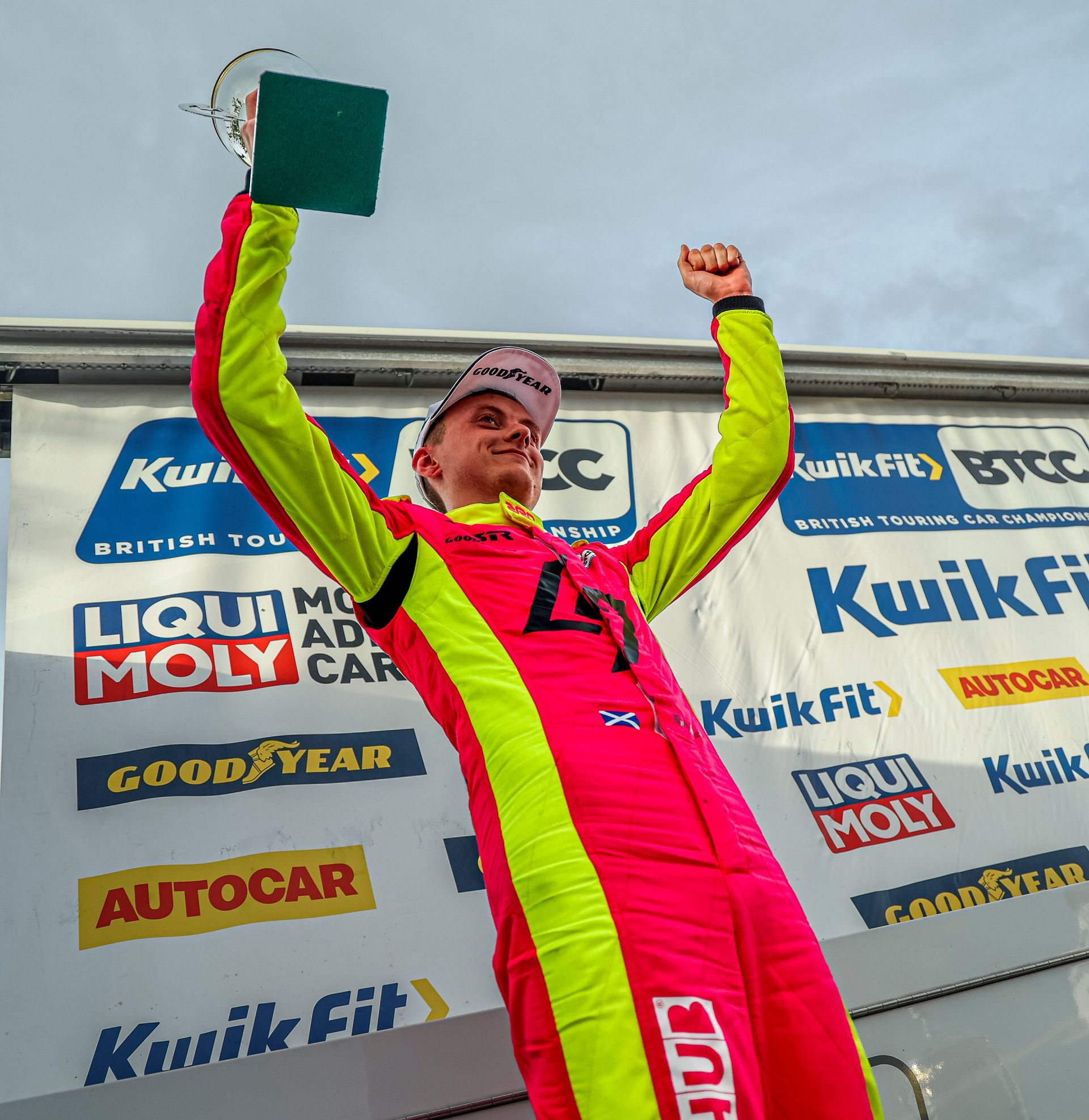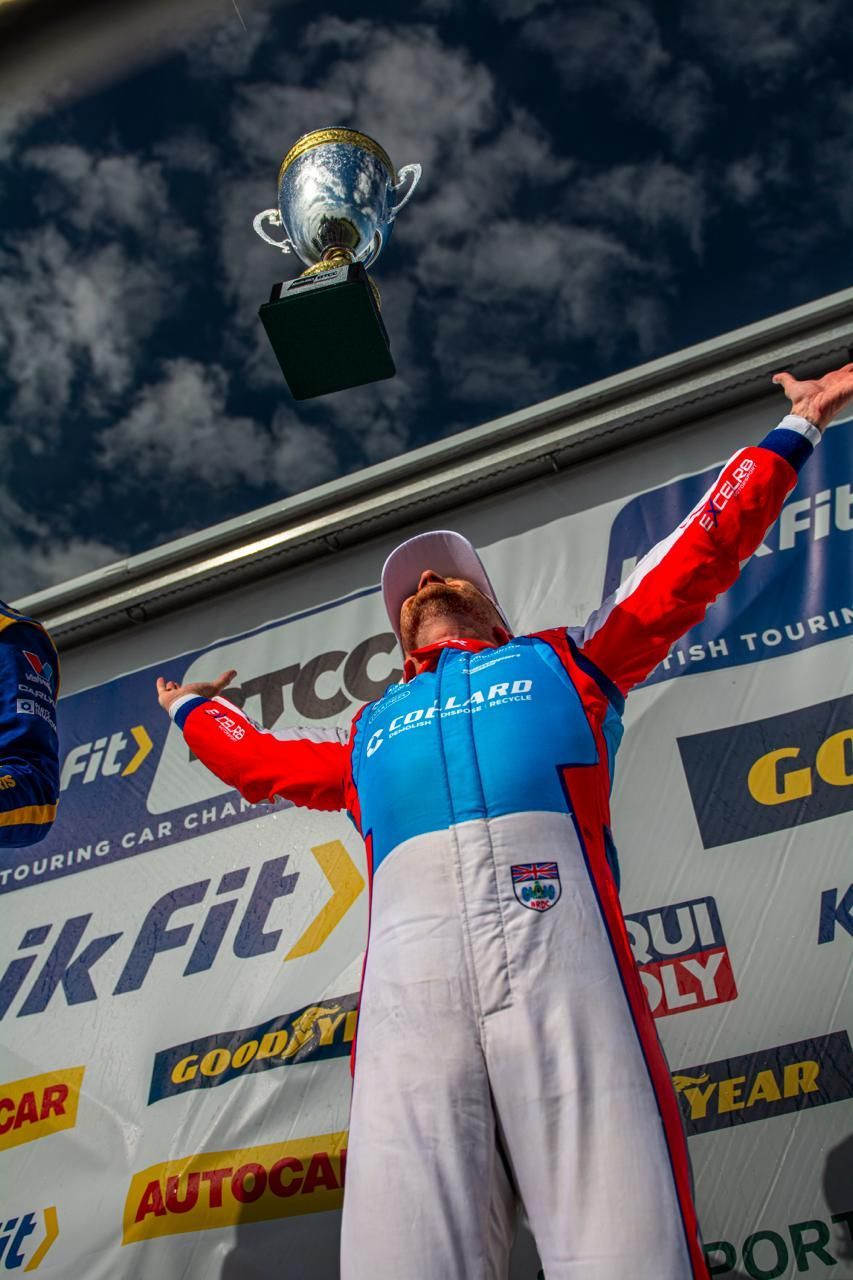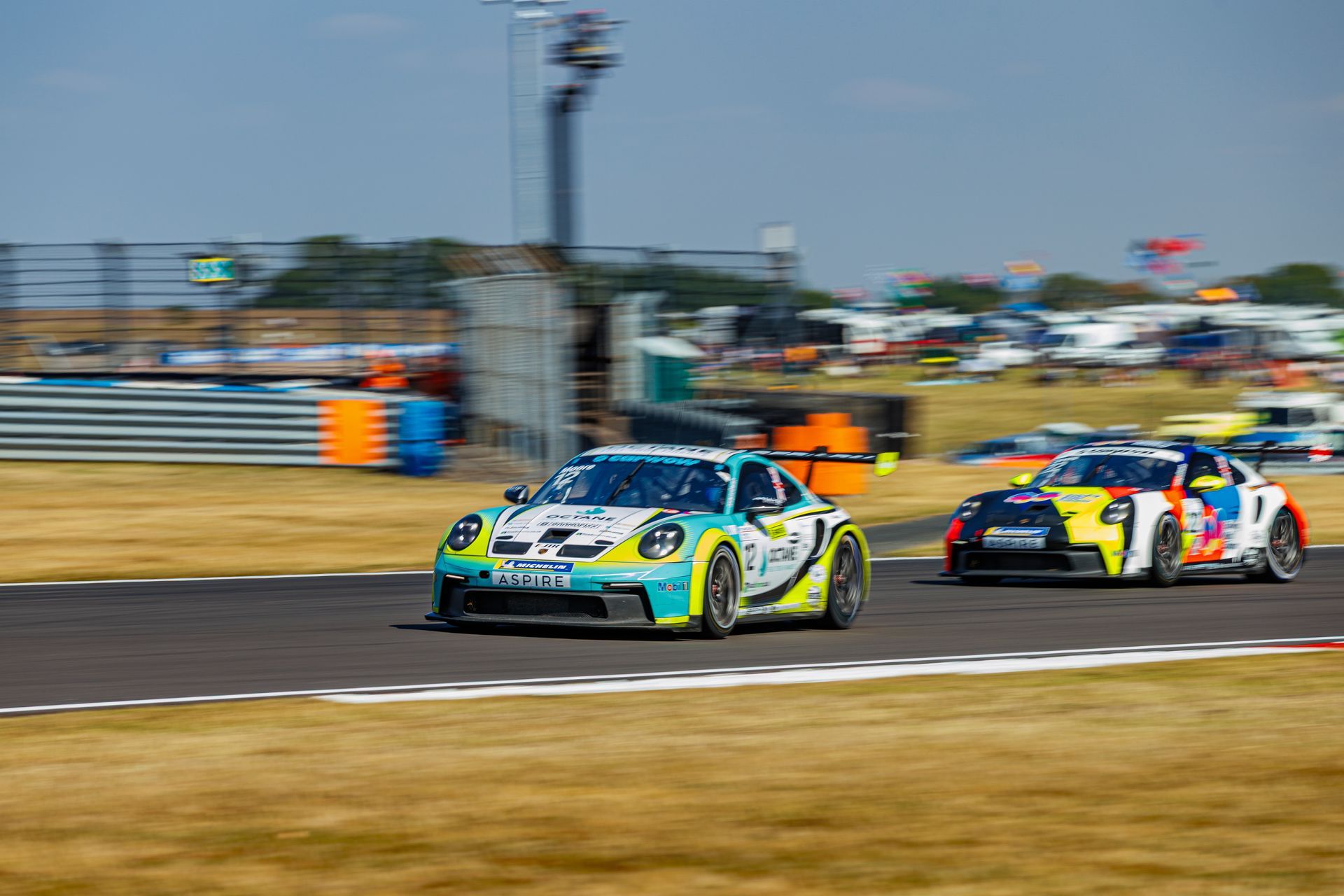


How Much Does It Cost to Sponsor a BTCC Car in 2026?
So here's the thing about BTCC sponsorship costs. Everyone wants a number. Brands want a number. Marketing directors want a number they can put in a budget spreadsheet and send to their CFO. And I get it. But the honest answer is that BTCC sponsorship costs anywhere from about £5,000 to well over £500,000 a season, and that range is so wide it's almost useless without context.
I've spent over 30 years in motorsport. I wrote a book about this Race Funded and I've helped raise millions in funding and sponsorship deals across everything from club racing to international championships. So when I tell you the numbers, I'm not pulling them from a press release. These are real figures from real conversations with real teams. And the reason there's such a spread is that BTCC sponsorship isn't a product with a price tag. It's a negotiation based on what the team needs, what you want, and how much of their budget your money covers.
1. What Does It Actually Cost to Run a BTCC Car?
Before you can understand what sponsorship costs, you need to understand what you're contributing towards. A competitive BTCC season — and I mean properly competitive, not making up the numbers at the back — costs somewhere between £300,000 and £750,000 per car. That range depends on the team, the car, existing technical partnerships, and whether they've already secured engine deals or tyre allocations that offset some of the headline figure.
That budget covers the car itself, engineering staff, transportation, race entries, tyres, fuel, spare parts, testing days, and the general cost of turning up to every round looking like you know what you're doing. The teams at the front of the grid are spending towards the top end. The teams fighting for points finishes in the midfield are usually around the £400,000 to £500,000 mark. Nobody competitive is doing it for less than £300,000, and anyone who tells you otherwise is either lying or finishing last.
Why does this matter to you as a potential sponsor? Because your sponsorship fee is essentially buying a percentage of that budget. If a team's season costs £500,000 and you're putting in £100,000, you're covering 20% of their costs. That gives you a certain level of branding, access, and activation rights. Put in £250,000 and you're covering half the budget that gets you title sponsorship, naming rights, and the full hospitality package.
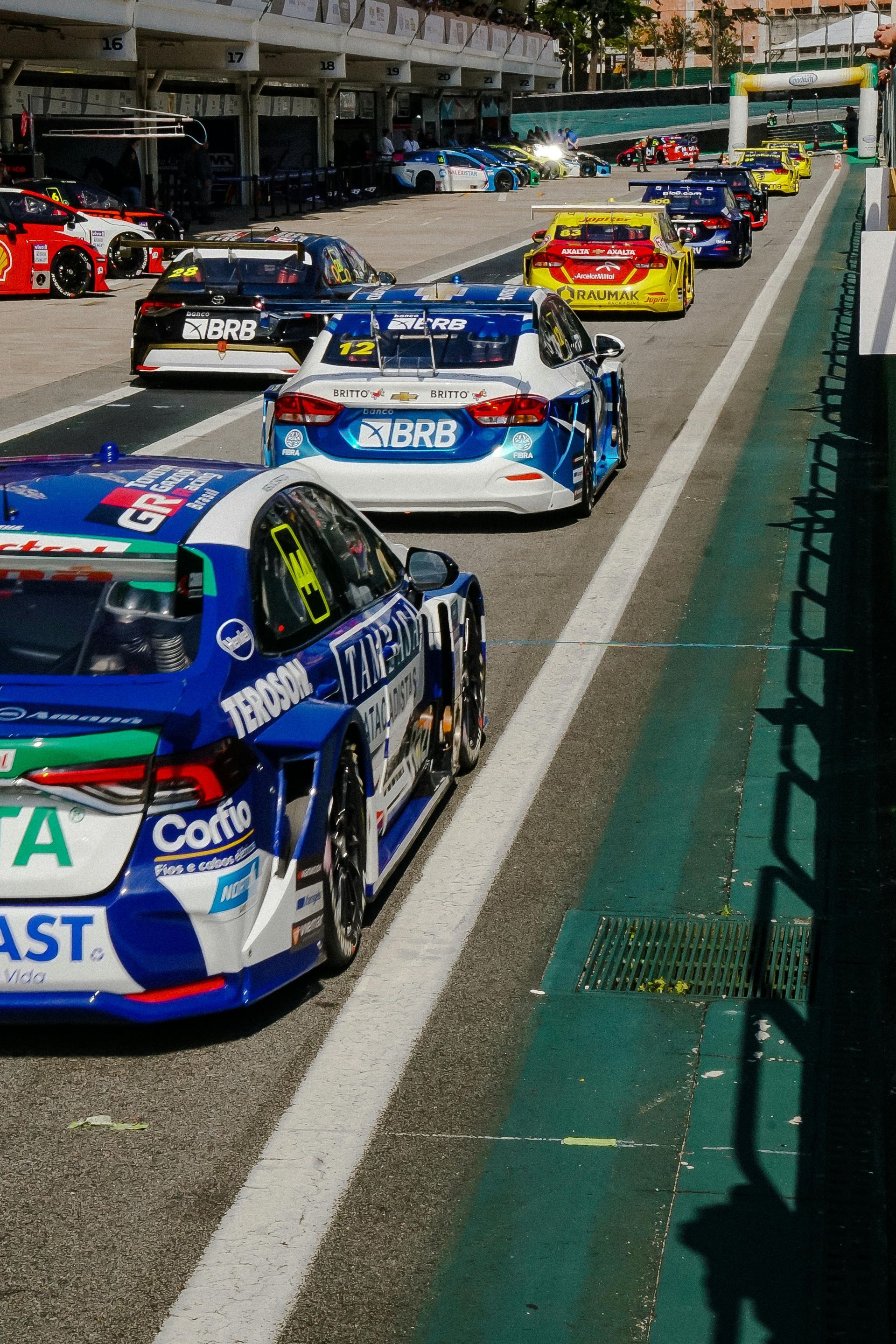
2. What Do the Different Sponsorship Levels Look Like?
BTCC sponsorship typically breaks down into a few tiers, though every team structures these slightly differently. At the entry level roughly £5,000 to £100,000 you're looking at a logo on the car, some hospitality passes for race weekends, mentions in team social media, and basic content rights. Your branding will be visible but it won't be dominant. You'll probably be on the wing mirror at the bottom end to rear quarter panel at the upper end of that range.
Step up to the £100,000 to £250,000 range and things get significantly more interesting. This is where you start getting prominent car branding, driver suit logos, garage branding, dedicated hospitality allocation, content production support, and proper activation opportunities. You might get the driver for corporate appearances, you'll get social media integration that goes beyond a tag, and your brand becomes genuinely associated with the team rather than just being another logo in the sea of stickers.
Above £250,000 you're into title sponsorship territory. The team name changes to include your brand. Your logo dominates the livery. You get first refusal on hospitality, exclusive content, driver availability, and essentially the team becomes an extension of your marketing department for the season. At SuperHub, we partner with BTCC driver Mikey Doble, and I can tell you from direct experience that this level of integration is where the real business value lives. It's not about a sticker on a car. It's about access to an audience and the content that comes with it.
3. Why BTCC Specifically? The Audience Numbers
This is where BTCC really earns its keep compared to other UK racing series. The championship delivers roughly 10 million cumulative TV viewers per season through its ITV broadcast deal. That's free-to-air terrestrial television reaching living rooms across the country, not a YouTube stream that your mate's mum accidentally left playing in another tab.
Compare that to a series like GB3, which broadcasts through MSV TV on YouTube. Good racing, talented young drivers, proper stepping stone to F1 — but the audience numbers are a fraction of what BTCC delivers. That's not a criticism of GB3 actually it is and if you are reading this from the BRDC call us! It's why a BTCC sponsorship costs £100,000 upwards while a GB3 sponsorship might start at £15,000 to £30,000. You're buying access to a fundamentally different audience size. GB3 series mechanics are just different, I'll do a post about this.
BTCC also delivers something that pure digital series can't: the event experience. Race weekends attract tens of thousands of spectators. Those are real people walking past your branding, visiting your hospitality suite, meeting your team, and forming genuine brand associations. If you're a B2B brand looking to entertain clients, there is genuinely nothing quite like putting them trackside with garage access and a driver who'll shake their hand and talk them through the car. Try getting that kind of engagement from a Google Ads campaign.
4. The Modern Multiplier: Social Media and Content
Here's where sponsorship in 2026 is fundamentally different from sponsorship ten years ago. The sticker on the car used to be the whole point. Your logo goes past a TV camera at 130mph and that was your exposure. Job done, send the invoice.
Now? The car livery is just the starting point. What actually drives value is the content ecosystem around the team. Behind-the-scenes TikToks from the garage. Instagram Reels of pit stops. YouTube vlogs from the driver. LinkedIn posts about the engineering. Twitter commentary during races. The race weekend generates hundreds of pieces of content, and your brand is woven through all of it.
This is what we do at SuperHub. We don't just broker sponsorship deals. We produce the content that makes them work. Because here's the dirty secret of motorsport sponsorship: most teams are brilliant at racing cars and absolutely terrible at producing content. They'll negotiate a deal worth six figures and then post three blurry photos and a "Thanks to our sponsors" caption. That's not activation. That's a waste of your money.
A properly activated BTCC sponsorship should generate content that you can use across your own channels for months. Product launches at the circuit. Staff incentive days with the team. Customer hospitality events. Video content for your website. Case studies for your sales team. The car on track is just the catalyst for a much broader marketing programme.
5. Virtual Sponsorship: The Concept Nobody's Talking About
This is something I've been developing and it's going to change how motorsport sponsorship works. The traditional model says one car, one livery, one set of sponsors. But think about it. How much of your sponsorship value actually comes from the physical sticker on the physical car versus the content produced around it?
In theory, you could sell the same car space three or four times over. Your primary sponsor gets the TV coverage their livery runs on race day and appears on the broadcast. But secondary sponsors could have completely different livery renders created for their own content purposes. They're not competing with the primary sponsor because they're reaching different audiences through different channels. A rendering of the car in their brand colours for their LinkedIn campaign doesn't diminish the primary sponsor's TV exposure one bit.
This model makes naming rights even more valuable. The team name on the broadcast, in the results, in the championship standings that can't be duplicated. But the visual real estate on the car? In a content-first world, there's more creative commercial thinking to be done there than most people have realised yet.
6. How to Structure a Deal That Actually Works
The biggest mistake brands make with BTCC sponsorship is treating it like buying advertising. You wouldn't buy a billboard and then never check whether anyone looked at it. But that's essentially what happens when brands sign a sponsorship deal, get their logo on the car, and then sit back waiting for the phone to ring.
A properly structured deal should include clear activation milestones. How many hospitality events per season? How many pieces of content will be produced and by whom? What's the social media integration plan? How will leads be tracked? What reporting will the team provide and how often?
At SuperHub, when we broker and manage motorsport sponsorships, we build these frameworks from day one. We track media exposure, social reach, hospitality engagement, lead generation, and brand sentiment. But we also focus on the tangible business outcomes — meetings booked, deals influenced, relationships built. Because if your sponsorship isn't generating commercial value beyond "brand awareness," you're doing it wrong.

7. BTCC vs Other Series: Where Does It Sit?
To put BTCC sponsorship costs in context, here's roughly where the major UK and international series stack up in terms of season running costs — which directly influences what sponsorship packages cost:
At the grassroots level, a season in something like the Ford Fiesta Junior Championship runs about £30,000 to £40,000 on an arrive-and-drive basis. MINI JCW Challenge sits around £75,000 to £120,000. Ginetta ranges from £60,000 to £150,000 depending on the level. Porsche Carrera Cup in a Cayman is around £190,000, and a 911 season hits £300,000 to £400,000.
Move into the international single-seater ladder and the numbers jump significantly. British F4 costs roughly £400,000 a season (though Saudi F4, interestingly, is about £120,000). F3 runs to around £800,000. F2 is approximately £1.5 million. And F1? The budget cap for 2025 sits at a base figure of $135 million per team, rising to $215 million in 2026 — but that's before you factor in the things that sit outside the cap like driver salaries and marketing.
British GT runs £400,000 to £600,000 per season. BTCC at £300,000 to £750,000 sits right in the sweet spot — premium enough to deliver serious audience numbers, accessible enough that a brand with a six-figure marketing budget can make a meaningful impact. That's why it remains one of the most commercially attractive sponsorship propositions in UK motorsport.
8. What Most People Get Wrong About Motorsport Sponsorship
The single biggest misconception is that you're buying a sticker. You're not. You're buying access to a commercial platform. The car, the driver, the team, the events, the content, the hospitality, the audience that's the platform. The logo on the car is just the most visible bit of it.
The second biggest misconception is that sponsorship is charity. It's not. It's a commercial transaction that should generate measurable return. If a team approaches you with "support us and we'll put your logo on the car," they're asking for a donation, not offering a partnership. Run away from those deals. Fast.
The third thing people get wrong is assuming they need to understand motorsport to benefit from it. Most of our clients at SuperHub are new to the sport. They've never been to a race. They don't know the difference between BTCC and British GT. That's fine. That's what we're here for. We've got 30 years of paddock experience so you don't have to bluff your way through a conversation about tyre compounds.
Ready to Explore BTCC Sponsorship?
If you're a brand considering motorsport sponsorship whether that's BTCC or any other series we can help you understand the opportunity, find the right team, negotiate the deal, and produce the content that makes it work. We also offer sponsorship audits for brands that already have deals and want to know whether they're getting proper value.
My book Race Funded covers the mechanics of motorsport sponsorship in detail if you want to do your homework first. Or if you'd rather just have a conversation about what's realistic for your budget and objectives, book a call and we'll talk it through properly.
BTCC Sponsorship Costs: Your Questions Answered
How much does it cost to sponsor a BTCC car in 2026?
Title sponsorship on a front-running BTCC car runs £250,000 to £600,000 for a full season. Major car positions (bonnet, doors, roof) cost £40,000 to £120,000. Associate positions and small decal space are available from £5,000 to £20,000 for a full season. The jump between private-hire team packages and factory-backed entries is significant, it is worth shopping across several teams before signing.
What do sponsors get on a BTCC car?
Livery space, race suit and helmet branding, transporter signage, hospitality at all ten race weekends (or selected weekends by agreement), content rights for social and PR, driver appearances, and paddock passes for B2B entertainment. The ITV4 live broadcast is the headline asset, around 15 million cumulative viewers across a season.
Can small businesses sponsor BTCC?
Yes. Associate and decal deals from £5,000 upwards get real car space at a competitive team. You do not need to be the title sponsor to get visible value, particularly if your target customers are British, male-skewed, automotive-interested and aged 25 to 65, which describes a lot of trade and automotive SME customer bases.
Which BTCC teams offer the best value for sponsors?
Depends what you mean by value. Front-running teams deliver more TV time but cost more. Mid-pack teams offer better price per second of screen time but less association with winning. Private teams are often the most flexible on deliverables. The right team depends on your KPI, a good agency will match you to fit rather than just selling the biggest package.
How big is BTCC's TV audience?
Around 15 million cumulative UK viewers a season across ITV4 live broadcasts, plus digital highlights and social content. It is the most-watched UK motorsport series for domestic audiences, well ahead of F1 on UK-only reach. For UK-targeting brands that matters.
What is the difference between title sponsorship and decal sponsorship?
Title means the car carries your name (eg "Brand X Racing with Team Y"), you get the dominant livery space and dominant mentions in broadcast and press. Decal sponsorship is a logo on the car, far cheaper, less visible, but still legitimate TV exposure. Most brands end up somewhere in between, a major position without buying the title.
How do brands pay for BTCC sponsorship?
Most deals are paid in monthly or quarterly instalments across the season rather than a single upfront cheque, which helps cash flow. Contracts are typically single-season with a first refusal on renewal. Some teams will structure a multi-year deal with a discount, worth asking if you are reasonably sure the fit is right.
Want This Done For You?
SuperHub helps UK brands with video, content, SEO and marketing that actually drives revenue. No vanity metrics. No bullsh*t.