

Creative Communications Agency Guide: Your 2026 Success Roadmap
The creative communications landscape is accelerating at an unprecedented pace in 2026. Businesses face new challenges and opportunities, demanding innovative solutions to stand out. This guide offers a clear roadmap to thrive with a creative communications agency, providing actionable steps and sector-specific insights for lasting success.
We will explore the latest industry trends, show you how to select the right agency, and reveal proven strategies for campaign excellence. Discover inspiring sector spotlights and future-proofing techniques to keep your communications ahead of the curve. Ready to elevate your communications? Let us begin your journey.
The 2026 Creative Communications Landscape: Trends and Opportunities
The world of creative communications agency services is shifting rapidly as we approach 2026. Brands are under pressure to innovate, connect authentically, and deliver measurable results. Understanding the trends and opportunities shaping this landscape is essential for any business determined to thrive.

Emerging Technologies Shaping Communication
The creative communications agency of 2026 leverages technology to deliver more impactful campaigns. Artificial intelligence is at the core, driving content creation and hyper-personalisation at scale. Brands now use AI to craft tailored messages, predict consumer behaviour, and automate routine tasks, freeing up human teams for higher-level strategy.
Immersive experiences are increasingly common. Augmented reality, virtual reality, and mixed reality enable agencies to build engaging environments for both B2B and B2C audiences. Data-driven storytelling, powered by predictive analytics, allows agencies to anticipate trends and fine-tune messaging for maximum resonance.
Seamless omnichannel integration ensures that brand messaging remains consistent across every touchpoint. For example, AI chatbots are now standard in customer engagement, providing real-time support and personalisation. For more on how AI is reshaping agency work, see these AI-driven content creation trends 2026.
Shifting Consumer Expectations
Audiences are more discerning than ever, expecting brands to communicate with honesty and immediacy. Creative communications agency teams are responding by prioritising authenticity and transparency in every campaign. Consumers want to engage with brands that are genuine, not just polished.
Personalisation is no longer a luxury, but a necessity. Real-time interactions across multiple platforms, such as chat, live streaming, and social media, are now the norm. Visual-first content, especially short-form video, GIFs, and live streams, dominates the digital landscape.
A recent survey found that 78% of UK consumers favour brands with authentic communication (HubSpot, 2024). This shift means agencies must remain agile, adapting strategies quickly to meet evolving expectations.
The Impact of Regulation and Data Privacy
Data privacy has become a defining factor for any creative communications agency. Compliance with GDPR and the latest regulations, such as the Data (Use and Access) Act 2025, is non-negotiable. Agencies must balance effective targeting with strict adherence to ethical standards.
Ethical considerations are central when segmenting audiences and delivering personalised content. A well-known tourism brand recently demonstrated how to navigate data privacy by designing a multi-channel campaign that respected user preferences and protected personal data.
For agencies, transparent data practices build trust and set the foundation for long-term partnerships. The creative communications agency that masters regulatory challenges will stand out as a trusted advisor in an increasingly complex environment.
Sustainability and Social Responsibility
Sustainability is no longer a niche concern; it is now at the heart of creative communications agency strategy, especially in renewables and technology. Brands are expected to communicate their environmental impact clearly and honestly.
Purpose-driven messaging resonates strongly with today’s consumers. Shoppers are more likely to support companies that demonstrate a genuine commitment to social responsibility. For instance, a leading fast food chain recently launched a campaign highlighting their sustainable sourcing practices, earning both public trust and commercial success.
A creative communications agency must help clients articulate their values, ensuring that sustainability and ethical initiatives are woven throughout every campaign.
Choosing the Right Creative Communications Agency
Selecting the right creative communications agency is a pivotal decision for any business aiming to excel in 2026. The landscape is fiercely competitive, so your choice must be strategic, data-driven, and aligned with your sector’s unique challenges and opportunities.
Defining Your Business Objectives and Communication Needs
Begin by pinpointing your organisation’s primary goals. Are you seeking to boost brand awareness, generate leads, or foster lasting customer loyalty? Clarity here will guide your search for a creative communications agency that can tailor campaigns to your ambitions.
Consider how your sector shapes your needs. For example, motorsport brands might prioritise sponsorship activation, while renewables focus on educational content. Articulating your objectives ensures the agency’s approach aligns with your business vision. A creative communications agency that understands your sector’s nuances will help you translate goals into actionable strategies.
Evaluating Agency Capabilities and Track Record
Scrutinise the agency’s previous work. Review their creative portfolio for evidence of multi-channel expertise—digital, analogue, social, and video. The right creative communications agency demonstrates measurable results and a consistent record of campaign success.
Cross-platform strategies are increasingly vital, with 65 percent of successful campaigns in 2025 involving multiple channels. For a step-by-step approach to agency vetting, refer to How to choose a digital marketing agency. Seek client testimonials and case studies relevant to your sector.
Assess the agency’s ability to innovate, adapt, and deliver on tight deadlines. Proven experience with brands in your industry offers reassurance that they can meet your exacting standards.
Understanding Pricing Models and ROI Expectations
Understanding how your creative communications agency charges is crucial. Agencies may offer fixed fee arrangements or performance-based models. Each has its merits depending on your campaign scope and risk appetite.
Define clear metrics for success. Set key performance indicators (KPIs) and ensure the agency provides transparent analytics and reporting. This empowers you to measure return on investment and adapt tactics in real time.
A reputable creative communications agency will be upfront about costs, explain value for money, and recommend a model that aligns with your business objectives. Open dialogue about expectations prevents surprises down the road.
The Value of Industry Specialisation
Sector expertise can be a game-changer. A creative communications agency with deep industry knowledge brings tailored insights, regulatory awareness, and tried-and-tested tactics.
For instance, a motorsport specialist understands sponsorship activation, while a renewables-focused agency excels at simplifying technical concepts. This specialisation leads to campaigns that resonate authentically with target audiences.
Ask potential partners about sector-specific results. An agency’s understanding of your market’s challenges and language can accelerate campaign effectiveness and set your brand apart.
SUPERHUB: Creative Communications Expertise
SUPERHUB stands out as a creative communications agency with proven sector specialisation. Their expertise spans motorsport, renewables, tourism, fast food, and technology, delivering measurable results for both B2B and B2C brands across the UK.
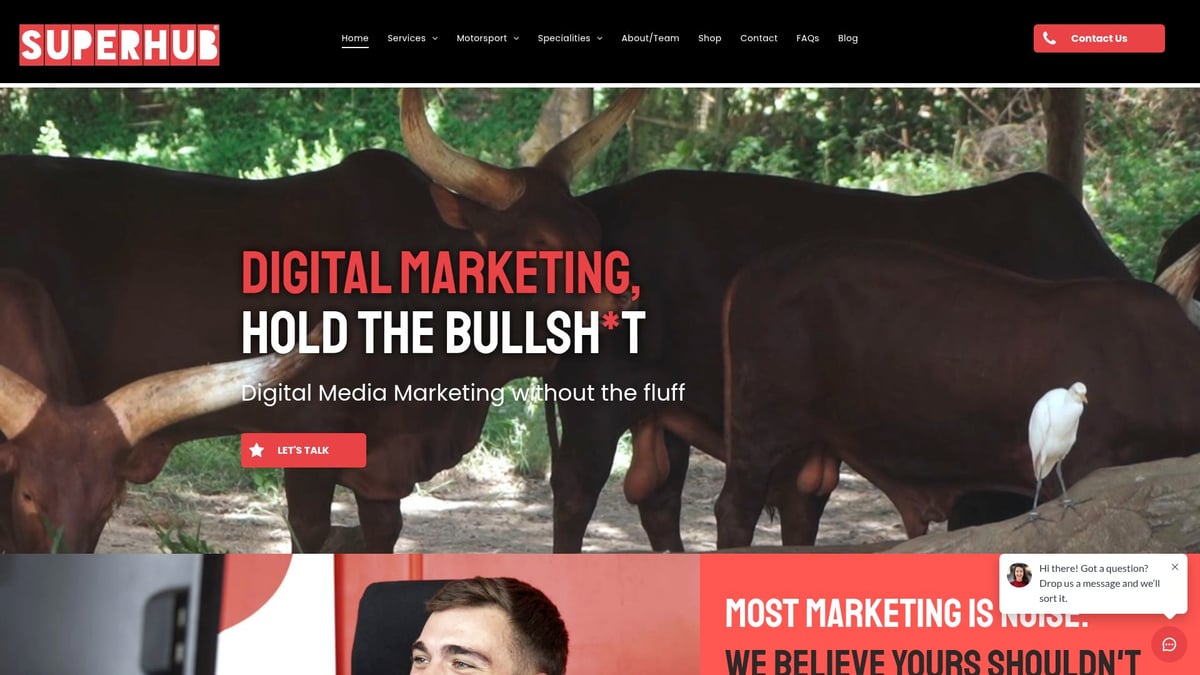
Case studies highlight innovative campaigns, from motorsport sponsorships to sustainability messaging in renewables. SUPERHUB’s commitment to creative excellence and ongoing innovation ensures your brand remains at the forefront of communications trends.
By partnering with a creative communications agency like SUPERHUB, you gain a dedicated team focused on driving growth, building brand equity, and future-proofing your communications strategy.
Building a Winning Campaign Strategy with Your Agency
In today’s competitive market, partnering with a creative communications agency is only the beginning. Achieving outstanding results requires a structured, stepwise approach. Below, we outline the essential stages for building a campaign strategy that delivers measurable impact, tailored to the unique demands of your sector.

Step 1: Setting Clear Objectives and KPIs
Every effective campaign with a creative communications agency starts by defining SMART objectives. These should be Specific, Measurable, Achievable, Relevant, and Time-bound. For instance, a motorsport brand might aim to double fan engagement on social media by the end of the season, while a renewables company could target a 30% increase in B2B leads over six months.
Here’s how objectives can differ by sector:
| Sector | Example SMART Objective | Key KPI |
|---|---|---|
| Motorsport | Increase race-day app downloads by 25% in Q2 | App installs, engagement |
| Renewables | Generate 50 qualified leads per month by year-end | Lead count, conversion |
| Fast Food | Achieve 20% uplift in store visits during campaign week | Footfall, offer redemptions |
Clearly defined objectives ensure your creative communications agency can build strategies that align with your business vision.
Step 2: Audience Research and Persona Development
Deep audience understanding underpins every successful campaign. Your creative communications agency will segment audiences not only by demographics, but also by psychographics and behavioural data. For example, targeting Gen Z for fast food brands involves analysing social trends and platform preferences, while B2B buyers in technology require insights into organisational needs and decision-making cycles.
Developing robust personas helps agencies craft messages that resonate. Regularly updating these personas ensures campaigns stay relevant as consumer expectations evolve.
Step 3: Crafting a Compelling Brand Narrative
A standout campaign relies on a compelling brand story. Your creative communications agency will use proven storytelling techniques—such as hero’s journey structures or customer success stories—to engage audiences. The narrative must reflect your brand values and align with sector trends.
For example, a renewables brand might focus on innovation and environmental impact, while a fast food chain could highlight community involvement or sustainability initiatives. Consistent, authentic storytelling builds lasting connections.
Step 4: Channel Selection and Content Planning
Selecting the right channels is vital for campaign effectiveness. Your creative communications agency will recommend a mix that might include digital, social, video, print, and live events. For tourism brands, Instagram Reels and influencer partnerships can create immersive destination experiences.
Content planning is equally crucial. Agencies map content to each stage of the customer journey, ensuring touchpoints are both timely and relevant. For more on innovative approaches, see Creative digital marketing strategies.
A multi-channel approach ensures your message reaches audiences where they are most engaged.
Step 5: Creative Execution and Collaboration
A seamless collaboration process is central to campaign success. Your creative communications agency will guide you through detailed briefs, iterative feedback loops, and clear approval stages. This ensures creative assets align with your brand guidelines while encouraging innovation.
Regular communication between your team and the agency fosters agility. Quick adjustments can be made as market dynamics shift or new opportunities arise.
Step 6: Measurement, Analysis, and Optimisation
Real-time analytics are indispensable for tracking campaign performance. Your creative communications agency will establish dashboards monitoring KPIs such as reach, engagement, conversions, and ROI. According to Campaign Live, 70% of UK brands saw improved ROI by optimising campaigns monthly in 2024.
Continuous optimisation involves analysing data, identifying trends, and making iterative improvements. This data-driven approach ensures resources are focused on what works best, maximising returns.
Step 7: Sector-Specific Strategy Tips
Each sector brings unique challenges and opportunities. Your creative communications agency will tailor tactics accordingly:
- Motorsport : Leverage sponsorships and live event content for real-time fan engagement.
- Renewables : Communicate technical topics with clarity, using visual storytelling and expert interviews.
- Fast Food : Drive engagement through limited-time offers, viral content, and localised campaigns.
Customising strategy for your sector ensures your campaigns remain relevant and effective in an ever-changing landscape.
Sector Spotlights: Creative Communications in Action
The impact of a creative communications agency is most visible when strategies are put into practice across diverse industries. By tailoring approaches to the unique needs of each sector, agencies help brands break through the noise, spark genuine engagement, and achieve measurable results. Explore how sector-specific expertise drives real business outcomes in motorsport, renewables, tourism, fast food, and technology.

Motorsport
In motorsport, the pace of competition is matched only by the demand for innovative fan engagement. A creative communications agency plays a pivotal role in activating sponsorships and building brand loyalty in this high-octane sector.
- Real-time video updates from race tracks keep fans engaged and informed.
- Social media campaigns leverage live event excitement, extending reach beyond the circuit.
- Data-driven audience segmentation ensures tailored content for different fan demographics.
A standout example is the use of interactive content during race weekends, where agencies deploy live streams, polls, and behind-the-scenes footage. This approach not only boosts engagement but also delivers measurable ROI for sponsors. Motorsport brands benefit from a creative communications agency’s ability to combine speed, storytelling, and technology for maximum impact.
Renewables
The renewables sector presents complex technical topics that demand clarity and relatability. Here, a creative communications agency excels at demystifying innovation and positioning brands as sustainability leaders.
- Educational video campaigns simplify renewable technologies for broad audiences.
- Storytelling techniques humanise abstract concepts, making them accessible and compelling.
- Social responsibility messaging aligns brands with eco-conscious values.
A recent campaign saw a leading renewables firm partner with a creative communications agency to launch a video series explaining the journey from wind farm to grid. This initiative improved public understanding and reinforced the brand’s commitment to transparency. By translating technical expertise into engaging narratives, agencies help renewables brands inspire trust and drive adoption.
Tourism
For tourism brands, creating immersive experiences online is essential to capturing the imagination of modern travellers. A creative communications agency leverages digital innovation to put destinations on the map.
- Influencer partnerships and user-generated content boost authenticity.
- Instagram Reels and short-form video showcase destinations with visual impact.
- Social listening tools guide content adjustments in real time.
With 60% of UK travellers influenced by social media content (VisitBritain, 2024), agencies focus on creating shareable moments that spark wanderlust. A successful campaign might feature a virtual tour led by local influencers, blending storytelling with interactive elements. By aligning with visual-first trends, creative communications agencies transform travel inspiration into bookings.
Fast Food
Speed, creativity, and relevance are the hallmarks of fast food campaigns. A creative communications agency delivers results by tapping into social trends and localised engagement.
- Viral challenges on platforms like TikTok drive brand awareness and footfall.
- Hyper-local digital campaigns target specific communities with tailored offers.
- Limited-time menu launches are amplified through interactive content and influencer collaborations.
Recently, a fast food chain’s TikTok campaign generated over 1 million views, turning a new product launch into a nationwide conversation. Agencies also monitor graphic design trends for 2026, ensuring visuals stand out in crowded feeds. This sector thrives on a creative communications agency’s ability to blend speed with strategic storytelling.
Technology
Launching new technology products requires clear messaging and authority. A creative communications agency supports brands by integrating thought leadership with targeted B2B and B2C outreach.
- LinkedIn video series position brands as industry experts.
- Product launches use coordinated multi-channel strategies for maximum reach.
- Data-driven content personalises messaging for different buyer personas.
A recent technology firm’s campaign combined educational webinars with interactive demos, resulting in significant lead generation. The creative communications agency’s expertise ensured consistent messaging and measurable growth.
Cross-Sector Insights
Despite sector differences, every creative communications agency faces shared challenges, including tight budgets and rapid trend shifts. Success hinges on agile management and data-driven decisions.
| Sector | Challenge | Winning Tactic |
|---|---|---|
| Motorsport | Keeping fans engaged | Live content and real-time updates |
| Renewables | Explaining complexity | Educational storytelling |
| Tourism | Standing out visually | Influencer-led video campaigns |
| Fast Food | Driving local footfall | Viral digital challenges |
| Technology | Building authority | Thought leadership video series |
Industry leaders increasingly rely on mastering data-driven marketing strategies to optimise campaigns and maximise ROI. By adapting quickly and leveraging analytics, a creative communications agency ensures every sector remains ahead of the curve.
Future-Proofing Your Communications Strategy for 2026 and Beyond
Staying ahead in the dynamic world of creative communications requires a proactive and strategic mindset. Businesses relying on a creative communications agency must future-proof their approach to remain competitive and relevant in 2026 and beyond.
Embracing Continuous Innovation
Continuous innovation is the heartbeat of every successful creative communications agency. Staying ahead means adopting emerging technologies like AI, AR, and workflow automation. These tools empower teams to deliver personalised and impactful campaigns at scale.
Encouraging upskilling and cultivating a creative culture ensures that your agency remains adaptable. Leveraging content marketing as a service can further drive innovation, offering flexible solutions to evolving business needs.
Building Resilience in Uncertain Markets
Resilience is vital for long-term success. A creative communications agency must be prepared to navigate shifting markets, economic fluctuations, and global events. Scenario planning and agile response frameworks help teams pivot quickly, minimising disruption.
For example, agencies that rapidly adjusted messaging during recent crises maintained client engagement and brand trust. Regular risk assessments and flexible campaign structures are essential for building resilience.
Investing in Data and Insights
Data-driven decision-making is central to future-proofing. Leading agencies invest in advanced analytics and predictive tools to plan campaigns more effectively. According to PRWeek, 80 percent of top agencies now use proprietary data platforms.
Recent regulatory changes, such as the Data (Use and Access) Act 2025, highlight the importance of compliant data use. A creative communications agency must prioritise ethical data practices, ensuring privacy while unlocking valuable audience insights.
Prioritising Sustainability and Ethical Practices
Modern consumers expect brands to act responsibly. A creative communications agency should prioritise sustainability in its messaging and operations, championing green credentials across campaigns.
Responsible communication builds long-term trust. Ethical targeting, transparent reporting, and a commitment to positive social impact set leading agencies apart. These practices are especially critical in sectors like renewables and technology.
Strengthening Partnerships with Agencies
Future-proofing is not a solo effort. Strong, collaborative relationships with your creative communications agency foster innovation and growth. Open communication, transparent reporting, and shared goals drive better results.
Successful partnerships often involve multi-year collaborations, allowing for continuous improvement and consistent brand growth. Investing in agency relationships ensures your business can adapt to new challenges and opportunities.
Sector-Specific Future Trends
Each industry faces unique challenges and opportunities. Below is a summary of future trends by sector:
| Sector | Key Future-Proofing Trend |
|---|---|
| Motorsport | Fan data integration, immersive tech |
| Renewables | Real-time impact reporting |
| Tourism | AI-powered personalisation |
| Fast food | Sustainability-driven campaigns |
| Technology | Automation, hyper-personalised outreach |
A creative communications agency with sector expertise is best positioned to help clients capitalise on these trends, ensuring strategies remain relevant and effective.
As we look ahead to 2026, it is clear that creative communications are evolving faster than ever, with new technologies, shifting consumer expectations, and the demand for authentic, measurable results. Whether you are in motorsport, renewables, tourism, fast food, or technology, partnering with the right agency can unlock real growth and future-proof your strategy. If you are ready to take the next step and see how tailored, results-driven campaigns can benefit your business, I invite you to book a free consultation
with Superhub’s expert team today.
Want This Done For You?
SuperHub helps UK brands with video, content, SEO and marketing that actually drives revenue. No vanity metrics. No bullsh*t.