
Hospitality And Marketing: A Guide to Driving Bookings
For a hotel, restaurant, or tourism business, marketing and hospitality aren’t separate jobs. They’re two sides of the same coin. Marketing is the engine that drives bookings, fills tables, and keeps the lights on in a ridiculously competitive market. It’s how you tell your story to the right people.
Why Hospitality Marketing Is Your Lifeline, Not An Expense
Let's be blunt. Thinking of marketing as a 'nice-to-have' is a terminal mistake for any hospitality business in the UK right now. With costs going through the roof and margins getting thinner, good marketing isn't about fluffy social media posts. It's about putting bums on seats and heads in beds.
It is the single biggest difference between survival and joining the depressingly long list of closures.
The current climate is brutal. Recent figures paint a grim picture, with licensed premises shutting down at an alarming rate. The sector is now significantly smaller than it was before the pandemic, with thousands of jobs lost. This isn’t random. It’s driven by relentless pressures like National Minimum Wage hikes, soaring food inflation, and utility bills that are squeezing businesses dry.
The question is no longer "Can we afford to market?" but "Can we afford not to?" In this environment, every pound spent has to be an investment in generating direct, measurable revenue.
Shifting Your Mindset From Cost to Revenue
Too many operators see marketing as just another cost, a drain on an already tight budget. That’s the wrong way to look at it. Smart, targeted marketing is your main revenue driver. It’s the tool that lets you:
- Fight back against rising costs: By driving more direct, high-margin bookings, you can offset those increased operational expenses.
- Stand out in a crowded market: Your competitors are fighting for the exact same customers. A strong marketing plan makes you the obvious choice.
- Build a resilient business: Relying only on passing trade or the same few regulars is a huge risk. Marketing builds a predictable pipeline of new business.
For businesses here in Devon and the South West, this is all about being strategic. It’s not about trying to outspend the big chains; it's about out-thinking them. By focusing on your unique local story, targeting the right people online, and proving your value, you can thrive. It’s time to recognise hospitality and marketing as the most powerful partnership you have for growth.
Understanding The Modern Hospitality Customer Journey
Forget the old idea of a tourist just stumbling across your hotel and deciding to check in. It rarely happens like that anymore. Today, getting a booking is the result of a long, messy journey that happens almost entirely online.
It starts with a vague Google search like "family hotels in Devon," detours through Instagram and gets heavily shaped by TripAdvisor reviews. A potential guest might see your Facebook ad, get distracted, and then find you again on Booking.com a week later. Each of these moments is a chance to win them over, or lose them to a competitor who's playing the game better.
Smart marketing isn't just another cost. It's the bridge that turns rising operational pressures into actual, profitable bookings.

Your job is to be the guide, leading that customer from their first spark of interest right to your booking page.
Mapping The Key Stages
To influence this journey, you have to understand it. Every stage needs a different approach, whether you’re trying to attract a family planning a South West holiday or a race fan needing a room near a British Touring Car Championship event.
- Awareness: This is where it all begins. Your potential customer has a need but hasn’t decided where to go. They're using broad searches and looking for ideas. Your task is to show up with great SEO and social content that sells the experience , not just the room.
- Consideration: They've now got a shortlist, and you’re on it. They are actively comparing your hotel or restaurant against others, digging into reviews, and poring over photos and prices. A professional website, fantastic images, and genuine social proof are non-negotiable here.
- Booking: This is the finish line. The customer is ready to pull the trigger. The goal is to make this step completely seamless, ideally through your own commission-free booking system. If they find you on an Online Travel Agent (OTA), your listing needs to be perfectly optimised to stand out.
The biggest mistake you can make is to focus only on the final booking. By the time someone is ready to click ‘book’, they’ve probably already made their mind up based on the awareness and consideration stages you ignored. You have to be there from the very first search.
And the journey doesn't end at the booking. Pre-arrival emails, great in-person service, and post-stay follow-ups are what create loyalty. This is how you generate those all-important positive reviews and get people coming back.
Mastering these steps is fundamental to successful hospitality and marketing . To go deeper, check out our guide on how to master the customer journey map.
Your Core Digital Marketing Channels

Trying to be everywhere at once online is a fast way to burn through your budget with absolutely nothing to show for it.
Smart hospitality and marketing isn't about casting the widest net possible. It’s about using the right bait in the right ponds. You have to focus your firepower on the channels that actually put heads in beds and bums on seats.
Forget chasing follower counts or website visits for the sake of it. We’re talking about tangible results from a handful of core digital channels that genuinely work. This is about being strategic, not just busy.
Local Search Engine Optimisation (SEO)
When a family in Paignton searches "best Sunday roast near me," or a tourist in Torquay looks for "last-minute hotel deals," you have to be at the top of that list. That's what local SEO does.
It’s the engine that makes you visible in local search results when people are actively looking for what you offer.
This isn't just about stuffing keywords onto a page. It’s about making sure your Google Business Profile is complete and compelling, full of positive customer reviews, and that your website is technically sound. For any hospitality business, local SEO is non-negotiable; it’s your digital front door.
Social Media Marketing
Social media isn't just for posting pretty pictures of your hotel rooms or your daily specials. It's a powerful way to tell your story visually and build a real community.
For a Devon B&B, that means showcasing the stunning coastal walks just outside your door. For a restaurant, it's a behind-the-scenes look at your chef creating the evening's signature dish.
But the real power of social media comes from its advertising tools. You can run hyper-targeted campaigns that reach people who have shown an interest in holidays in the South West, or couples celebrating an anniversary. It’s about getting the right message to the right person, at exactly the right time.
Email Marketing
Your email list is one of the most valuable assets you will ever own. Unlike your social media following, this is a direct line to past and potential guests that you completely control.
Email marketing is your workhorse for driving repeat business and building genuine loyalty. With a bit of simple automation, you can create powerful campaigns that work for you while you sleep.
- Pre-arrival emails: Build excitement and offer easy upsells like a room upgrade or a dinner reservation.
- Post-stay follow-ups: Ask for a review while the experience is fresh and offer a small discount on a future direct booking.
- Targeted promotions: Send a special offer to guests who haven't visited in the last six months to bring them back.
Paid Advertising (PPC)
Paid advertising, or pay-per-click (PPC), lets you buy your way to the top of search results and social media feeds. This is how you capture high-intent customers who are looking to book right now.
A well-run Google Ads campaign can put your business in front of someone searching for "luxury spa hotel Devon" at the precise moment they have their card out.
The whole game here is running profitable campaigns that generate actual bookings, not just clicks. It requires a no-nonsense, results-focused approach to avoid pouring your budget down the drain.
To help you get your head around it, here's a simple breakdown of how these channels fit together. Each one has a distinct job to do.
Essential Digital Channels For Hospitality Marketing
| Channel | Primary Purpose | Key Metric to Track |
|---|---|---|
| Local SEO | Attracting customers actively searching for local services (hotels, restaurants, attractions). | Website traffic from organic search, phone calls from Google Business Profile. |
| Social Media | Building a community, visual storytelling, and reaching specific audiences with targeted ads. | Ad conversion rate (e.g., cost per booking), post engagement. |
| Email Marketing | Driving repeat business, building loyalty, and communicating directly with past guests. | Repeat booking rate from email campaigns, open/click-through rates. |
| Paid Advertising (PPC) | Capturing high-intent customers who are ready to book immediately. | Return on Ad Spend (ROAS), cost per acquisition (booking). |
When used correctly, these core channels don't just work in isolation—they form a powerful system that drives consistent, predictable growth for your business.
How To Win The Digital Booking Battle
Let's be honest. In the hospitality game, getting heads in beds is a fight. You’re not just up against the B&B down the road; you’re in a digital scrap with giants like Booking.com. The only way to win is to play a smarter game. That means using the big platforms for visibility while funnelling guests towards your own commission-free booking system.
The numbers paint a clear picture. The UK's hospitality market is dominated by England, but here’s the sting: Online Travel Agents (OTAs) handle a huge chunk of all bookings. That’s a massive slice of your revenue handed over in commissions every year.
The real opportunity is in direct bookings, a channel seeing significant growth. This is where independent businesses can punch well above their weight.
This isn't about cutting ties with OTAs. It's about changing the relationship. Think of them as a massive, expensive billboard. Let people find you there, then give them every reason to come straight to you.
Use Them for Discovery, Win them for Bookings
Think of OTAs as a necessary part of the ecosystem. They have marketing budgets you can only dream of, so let them do the heavy lifting when it comes to getting eyeballs.
- Make your OTA profile shine: Your listing has to be immaculate. We’re talking professional, high-quality photos, descriptions that sell the experience, and a proactive approach to managing reviews. A half-baked profile is a liability.
- Master the 'billboard effect': It’s a well-known secret. A huge number of people discover a hotel on an OTA, then open a new tab and search for it directly. This is your moment to intercept the booking and keep the commission. Your website needs to be a doddle to find and even easier to use.
Own Your Revenue Stream
Your website is the single most important tool in this battle. It’s the one corner of the internet where you control everything—the story, the experience, and crucially, the entire payment.
If your site is slow, confusing, or looks like it was built in 2010, you’re just sending customers straight back into the arms of an OTA.
Your website has one job: turn visitors into direct bookings. It must have a seamless, mobile-friendly booking engine that’s faster and simpler than any third-party site. Anything less is a catastrophic failure.
Winning this fight also means getting smart about platform-specific tactics, like learning how to increase Airbnb bookings to maximise your occupancy on all fronts. Your site must scream value, clearly showing the perks of booking direct—be it a better price, a free breakfast, or a room upgrade. To make sure your site is built to convert, check out our guide on the anatomy of a high-converting landing page.
Creating Content That Sells Experiences, Not Rooms

It’s time to stop selling rooms, meals, or tickets. Nobody buys products anymore. They buy feelings, memories, and the stories they can tell their friends later. Your content is the only tool you have to sell that experience before a guest even considers booking.
A perfectly made bed in a bland photo is forgettable. But a short video of the sun rising over the sea from that same room’s balcony? That sells a moment they won’t forget. This is the heart of proper hospitality and marketing —using content to forge a real emotional connection.
This isn’t about huge production budgets. It's about being authentic. The job is to show people what it feels like, not just tell them what’s included.
Storytelling Through Video
Video is your most powerful weapon here. It’s the closest you can get to giving someone a genuine taste of what you offer. For hospitality businesses, particularly here in Devon, the opportunities are everywhere.
- Documentary-Style Shorts: Film a two-minute story about your restaurant's 'field-to-fork' ethos. Show the chef at a local farm, picking produce, and then bringing it back to create something incredible. That sells your belief in quality far better than a menu ever could.
- A Day in the Life: If you run a B&B, capture its character. Show the fire crackling in the guest lounge, the incredible view from a nearby coastal path, and the fresh scones waiting when they get back.
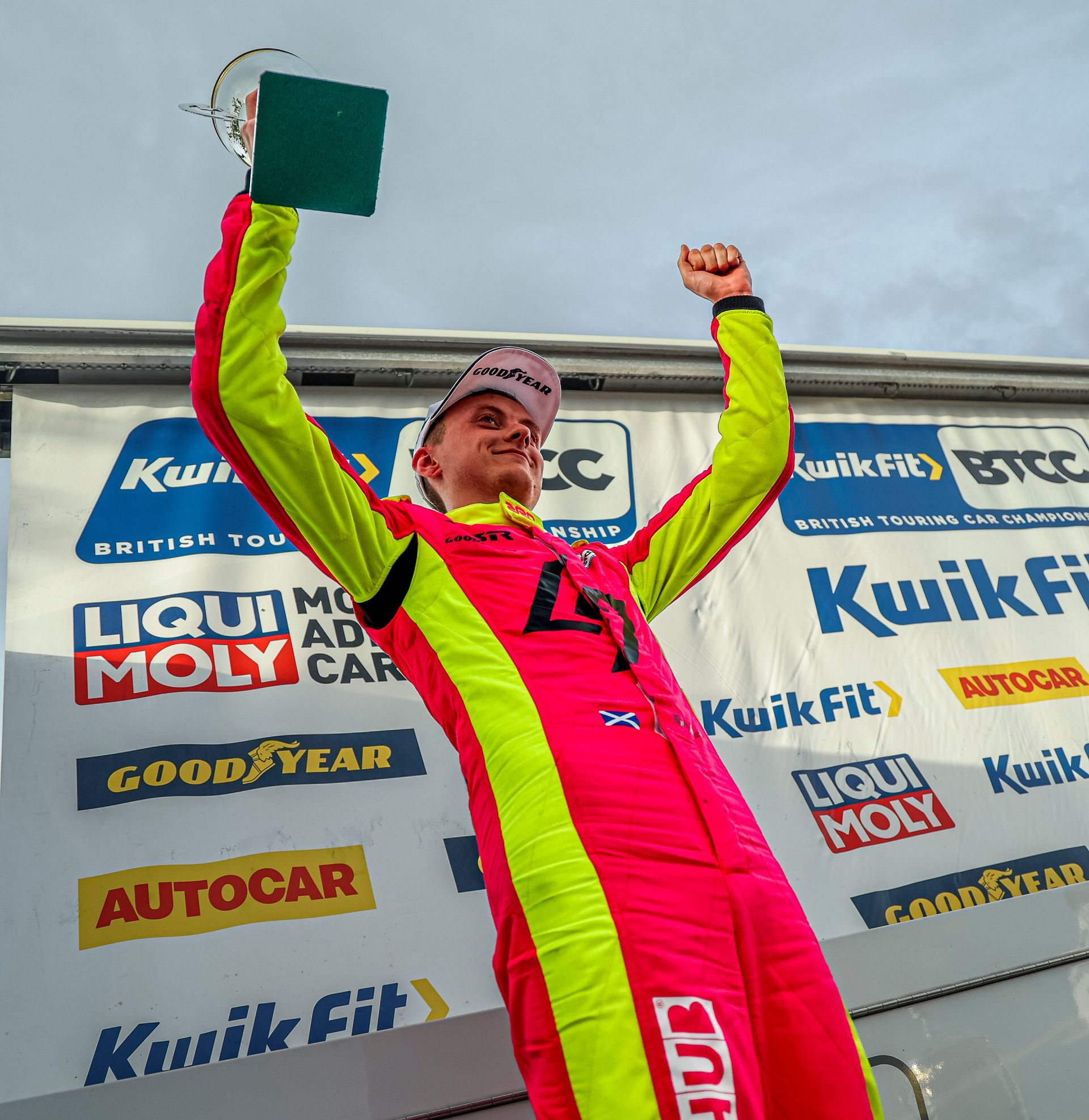
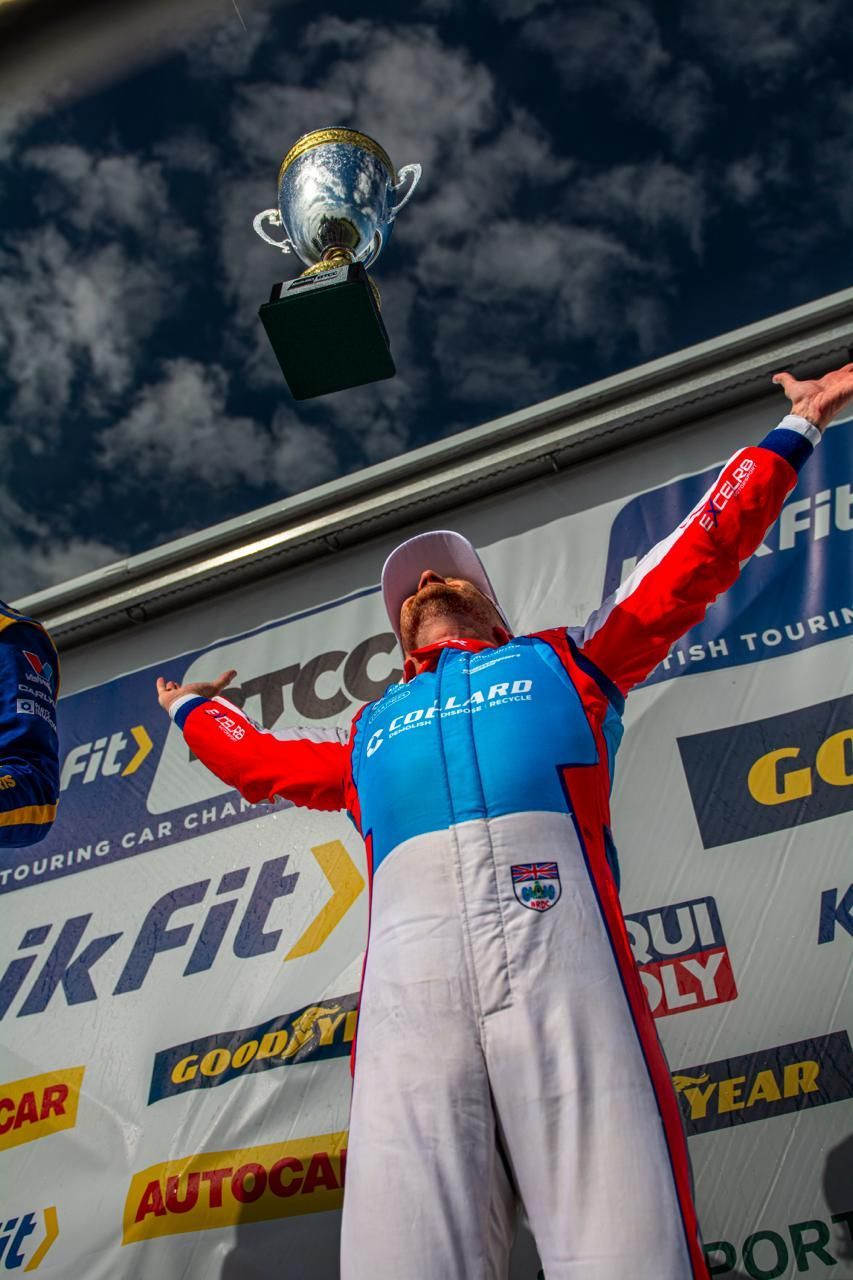
- Experience Previews: Offering corporate hospitality at a motorsport event like the BTCC? Don't just show a photo of the suite. Capture the raw sound of the engines, the electric buzz of the crowd, and your guests soaking it all in. You’re selling the thrill, not the sandwiches.
The best content doesn't feel like an advert. It feels like a story. It answers the one question that matters in your customer’s mind: "What will it feel like to be there?"
The Power of Real Authenticity
Stock photos are the enemy of good hospitality marketing. They’re generic, they build zero trust, and your customers can spot them a mile off. Your greatest marketing assets are usually created by the people who already love what you do: your guests.
User-generated content (UGC) is pure gold. When a guest posts a photo of your perfectly made cocktails or a video of their kids loving the pool, that’s an authentic endorsement you simply can't buy. Encourage it. Share it. Celebrate it.
Run a simple photo competition, create a unique hashtag for your business, and feature the best guest shots on your social media (with permission, of course). This does two things: it builds a community around your brand and gives you a stream of genuine, persuasive content that shows real people having real experiences. It makes what you offer irresistible.
Driving Results With Local And Commercial Tactics
Great marketing shouldn’t exist in a bubble. It has to connect directly with local opportunities and commercial realities to generate cold, hard revenue. This is where your strategy hits the pavement, turning marketing spend into a machine that actually brings in leads.
For our clients in Devon and the South West, this means completely dominating the local scene. If you run a restaurant or a hotel, it’s not good enough to just be there. You need to be unavoidable for anyone searching in the area. We do this with aggressive, hyper-local SEO and by building smart partnerships with other local businesses, like tour operators or visitor attractions, to create a referral network that drives bookings.
The UK's digital travel sales prove one thing: online visibility is everything. With businesses having to ramp up their promotions just to stay in the game, a lazy approach simply won’t work anymore. You have to be strategic.
Maximising Local And Niche Opportunities
Seasonal campaign planning is another non-negotiable. A hotel in Devon should have its campaigns locked and loaded for the summer holidays, half-term breaks, and even for those off-season weekend getaways targeting specific local postcodes. It’s all about getting ahead of demand and capturing it before your competitors even have a chance. For smaller operators, getting creative is vital; for instance, a few actionable coffee shop promotion ideas can make a huge difference to footfall and local engagement.
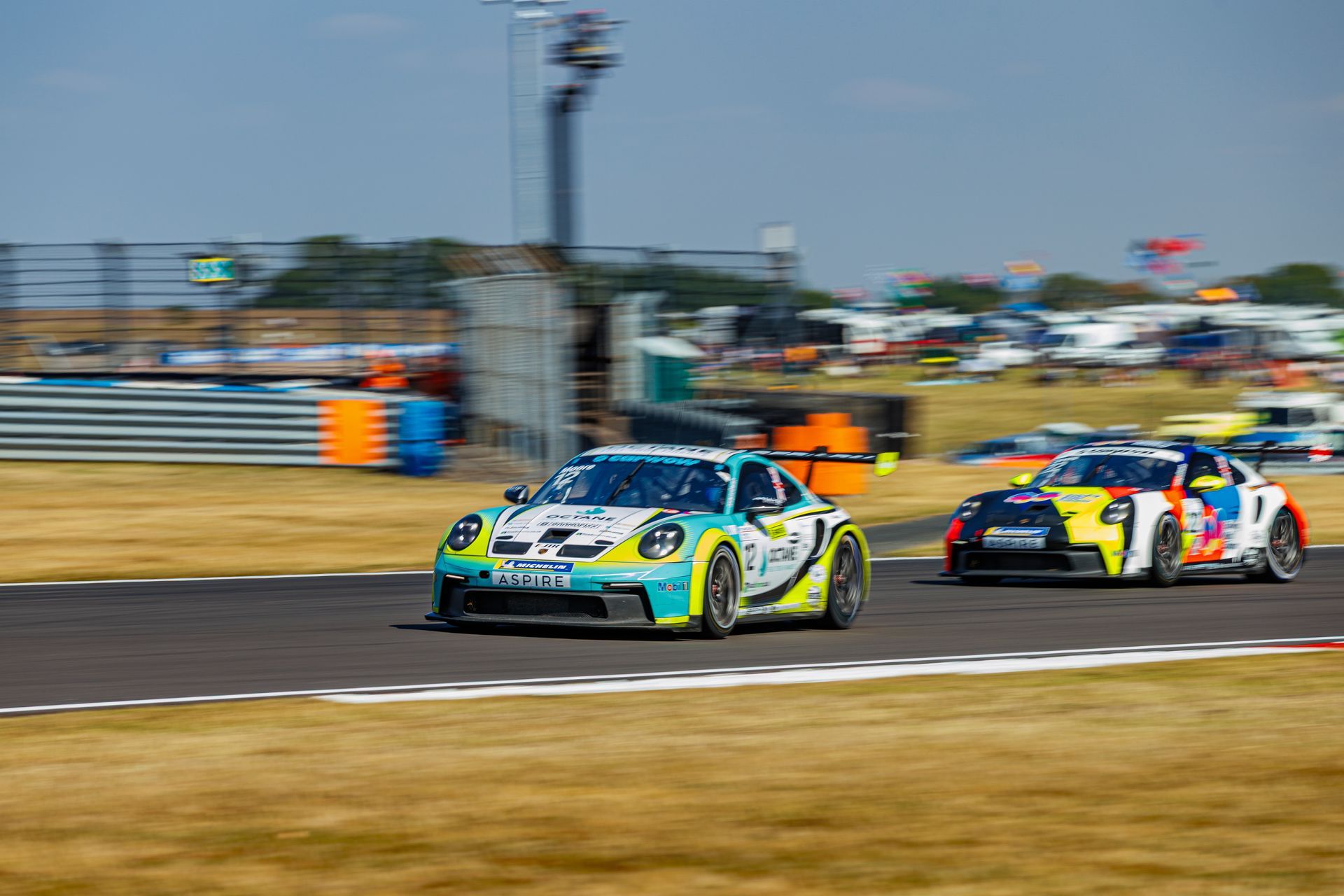
For our national clients, especially in motorsport and automotive, the game changes. Here, it’s all about commercial leverage. A race team's hospitality suite isn't just a nice-to-have; it's a powerful asset for locking in brand sponsors. Marketing in this world is about proving ROI and showing a brand exactly how access to your audience will directly benefit their bottom line.
Whether it’s attracting long-stay tradespeople with a targeted local offer or closing a six-figure sponsorship deal, every single tactic must be designed to produce a measurable result. It’s practical, no-fluff marketing that turns clicks into paying customers. To get a better handle on this, check out our guide on what local search marketing is and how it drives growth.
Hospitality Marketing FAQ
When we talk to hotel and restaurant owners, the same questions always come up. So, here are the straight answers to the most common ones we hear, without the usual agency fluff.
How Much Should A Hotel Or Restaurant Budget For Marketing?
Forget the magic number. While some agencies will tell you to earmark 5-10% of total revenue , that’s just lazy thinking. A results-focused business thinks differently. Stop obsessing over a fixed budget and start focusing on your Cost Per Acquisition (CPA) .
If you know a new direct booking brings in £300 of profit, and a specific marketing channel can deliver those bookings for £30 a pop, then you should pour as much fuel on that fire as it can handle. The real question isn’t about cost; it’s about return on investment (ROI) . Start with a small, measurable budget, track everything like a hawk, and double down on what works.
Is Social Media Actually Useful For Hospitality Marketing?
Yes, but only if you stop chasing vanity metrics. Racking up follower counts is a fantastic way to waste time and money. The real power of social media for hospitality lies in two things: telling your story visually and running hyper-targeted ads.
A boutique hotel in Devon, for instance, can serve compelling video ads directly to people who’ve recently searched for UK staycations or shown interest in the South West. A restaurant can use slick, behind-the-scenes content of its new menu to create genuine desire. When used strategically for brand building and direct-response advertising, social media becomes a powerful engine for driving traffic and bookings, not just a place for pretty pictures.
Do I Need To Be On OTAs Like Booking.com?
For most independent businesses, yes. Trying to ignore Online Travel Agents (OTAs) entirely is like making your business invisible to a massive chunk of the market. The trick is to manage the relationship, not let it control you.
Use OTAs for their enormous reach and visibility—what we call the 'billboard effect'—but make sure you have a bulletproof strategy to convert those guests into direct bookers next time. Offer a small incentive that's only available when they book direct, like a complimentary drink or a slightly better room. Crucially, get their email at check-in and use it to build your own relationship, cutting out the middleman for good.
Tired of marketing that doesn't deliver? SuperHub provides no-nonsense, results-focused digital marketing for hospitality businesses that want to drive bookings and own their revenue. Get in touch today.
Want This Done For You?
SuperHub helps UK brands with video, content, SEO and marketing that actually drives revenue. No vanity metrics. No bullsh*t.