
How to Sponsor a Racing Driver: A Brand's Guide to Getting It Right
I've spent 30 years in motorsport and helped raise millions in sponsorship deals. Most of that time has been spent talking to racing drivers and teams about how to find sponsors. But increasingly, I'm having the other conversation. The one with brand owners and marketing directors who've watched a race, met a driver at a corporate event, or had someone pitch them over LinkedIn, and they're thinking: is this actually worth doing?
The short answer is yes. But only if you do it properly.
This guide is for you if you're a brand considering sponsoring a racing driver for the first time. It's the stuff I'd tell you if we were sat down with a coffee and I had no financial interest in the outcome. Which, for the record, I do have a financial interest, because we're an agency that does this professionally. But I'd rather you went in with your eyes open and came back for the right reasons than sold you something that doesn't fit.
Why Sponsor a Racing Driver in the First Place?
Let's get the obvious out of the way. You're not buying a sticker on a car. Anyone who tells you that's what sponsorship is should be shown the door immediately. What you're actually buying is access. Access to an audience, access to a story, access to a network, and access to content opportunities that conventional marketing simply cannot replicate.
Here's what good motorsport sponsorship delivers when it's done right:
Brand visibility that people actually pay attention to. A logo on a racing car is seen in a context of excitement, competition and aspiration. That's fundamentally different from a banner ad or a billboard by the M25. Research consistently shows that motorsport fans are among the most brand-loyal in any sport. They notice sponsors, they remember them, and they actively choose to support them. Try getting that from a Facebook campaign.
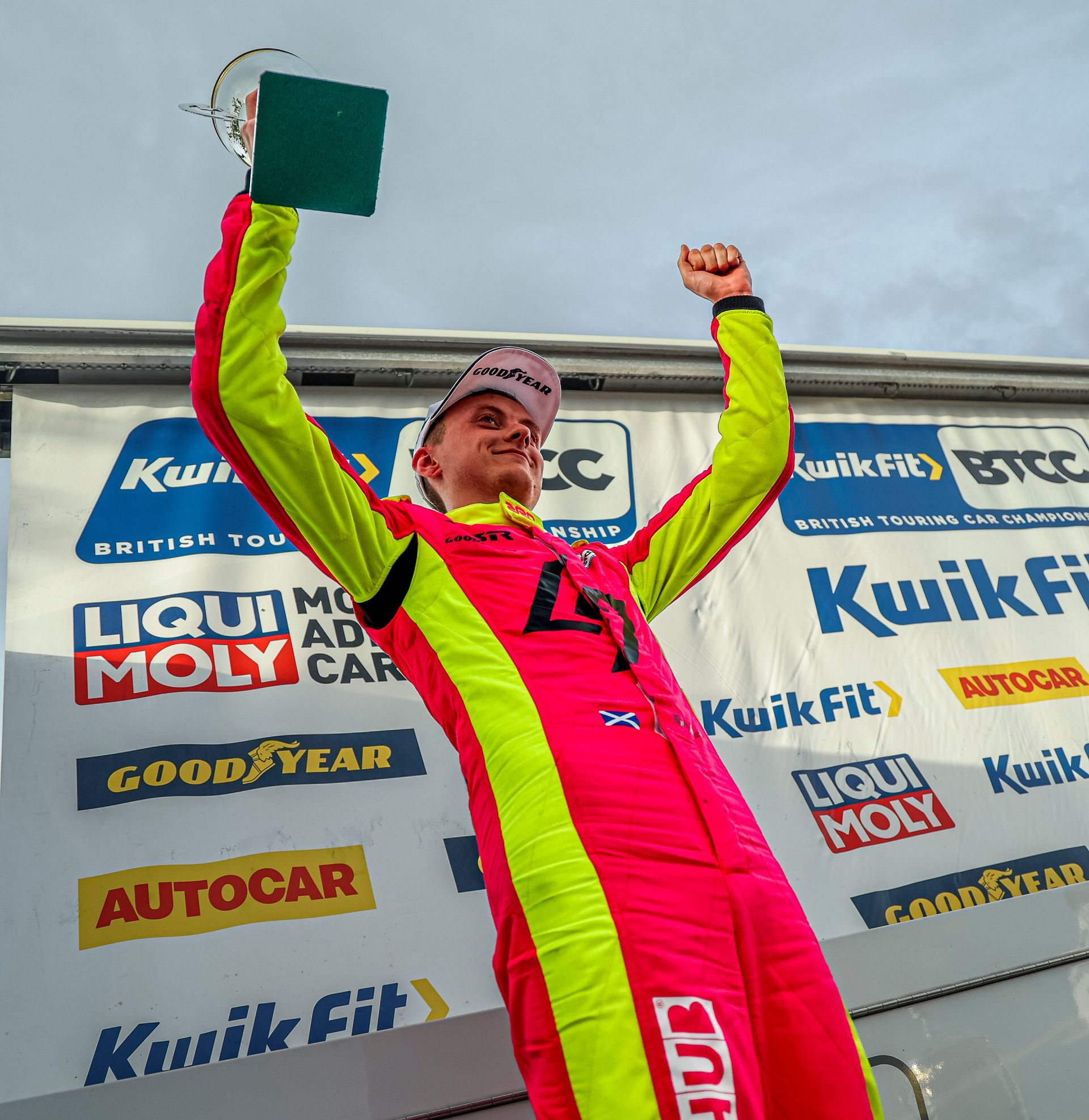
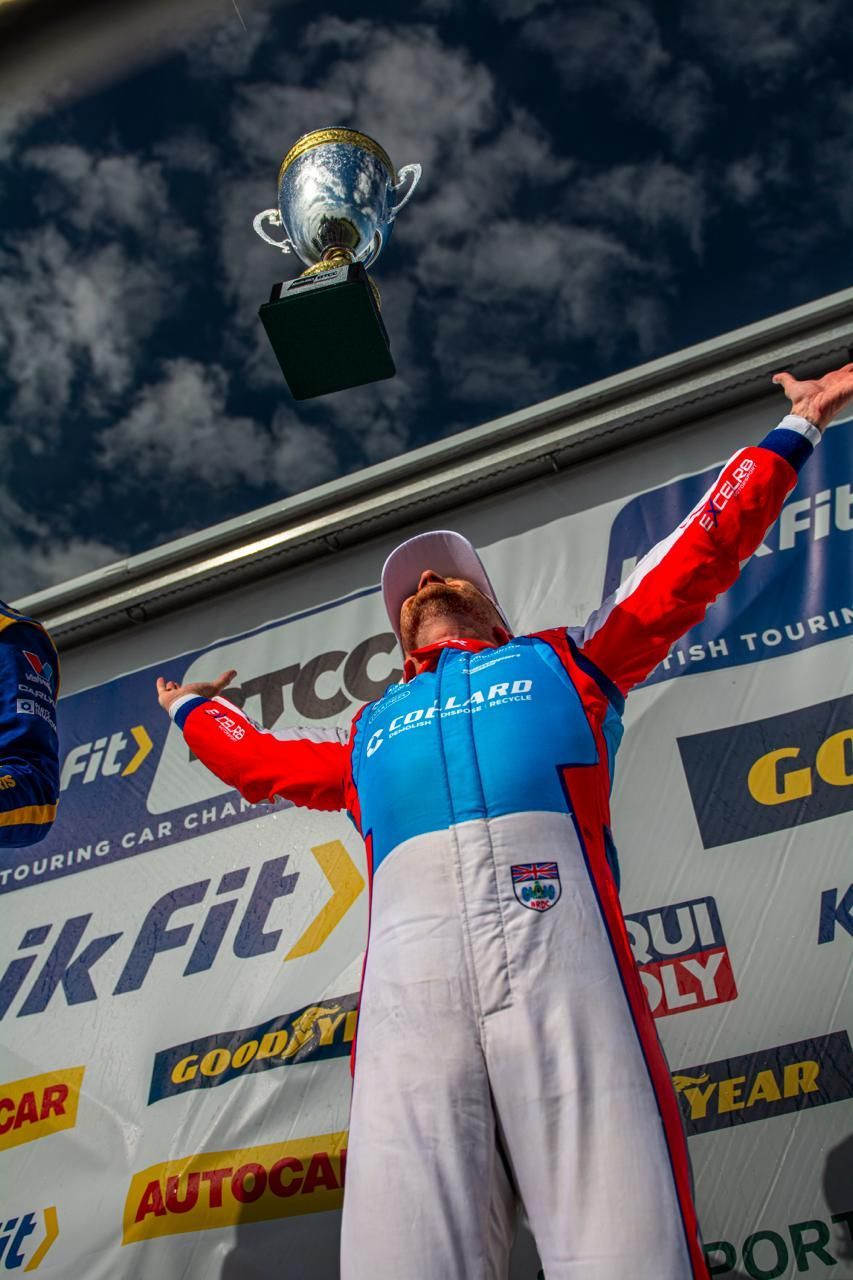
Content you couldn't produce any other way. A racing driver's season generates dozens of stories, hundreds of images, and video content that would cost you tens of thousands to produce from scratch. Behind thescenes footage, race day drama, testing sessions, podium celebrations, technical breakdowns. It's authentic, it's engaging, and it's yours to use across your own channels.
Hospitality that actually builds relationships. Forget corporate boxes at football where everyone's on their phone. A day at the races with a driver who's wearing your colours, who introduces you to their team, who takes your clients for passenger rides? That closes deals. I've seen it happen hundreds of times. The hospitality alone can pay for a sponsorship programme if you use it strategically.
B2B networking in environments that matter. The paddock is full of business owners, investors, and decision-makers. Not because they bought a ticket, but because they're involved in the sport commercially. The networking is organic, the conversations are genuine, and the shared interest in racing removes the transactional awkwardness that kills most business development events.
A story your competitors don't have. Your competitors are all doing the same LinkedIn posts, the same email campaigns, the same trade shows. None of them are partnered with a racing driver. That differentiation has commercial value, especially in sectors where every supplier looks and sounds identical.
What to Check Before You Sign Anything
Right, here's the bit where I save you some money and potentially a lot of frustration. Not every driver is the right fit for every brand, and not every deal is structured to deliver value. Here's what you need to verify before putting pen to paper.
Does the driver actually have an audience? Check their social media. Not just follower counts, but engagement. A driver with 5,000 genuinely engaged followers is worth more to you than one with 50,000 bought followers and no comments. Look at their content quality. Do they post regularly? Is it professional? Would you be proud to have your brand associated with what they're putting out? If their Instagram is three blurry photos from last season, that tells you something about how seriously they take the commercial side.
What series are they in and what does the audience look like? Different series attract different demographics. BTCC delivers strong UK coverage with around 10 million cumulative TV viewers and a broad demographic. F4 is smaller but attracts a younger, aspirational audience. GT racing skews premium. Club racing is hyperlocal. Make sure the audience matches your customer base.
What's their track record, both on and off it? Results matter less than you might think at most levels. What matters more is professionalism, reliability, and a willingness to work with sponsors commercially. Ask for references from previous sponsors. If they can't provide any, or if previous sponsors didn't renew, ask why.
What's actually included in the deal? This is where most first time sponsors get caught out. A sponsorship proposal should spell out exactly what you get: logo placement and sizes, hospitality allocations, content deliverables, social media mentions, PR coverage, data and reporting. If the proposal just says "logo on car" and a price, it's not a serious proposal. Walk away or ask for detail.
Who manages the relationship? Some drivers are great at racing and terrible at communication. Others have managers who are brilliant at selling the deal and then vanish for the season. You need to know who your point of contact is, how often you'll get updates, and what happens if things aren't delivered as promised.
Is there a content plan? Sponsorship without content is leaving half the value on the table. Before you sign, agree on what content gets produced, how often, to what standard, and who has approval rights. This is the bit that separates sponsorships that deliver from ones that just cost money.
What It Costs: A Realistic Overview
Sponsorship pricing varies enormously depending on the series, the level of exposure, and the competitiveness of the driver. Here's a broad overview to give you a sense of the brackets:
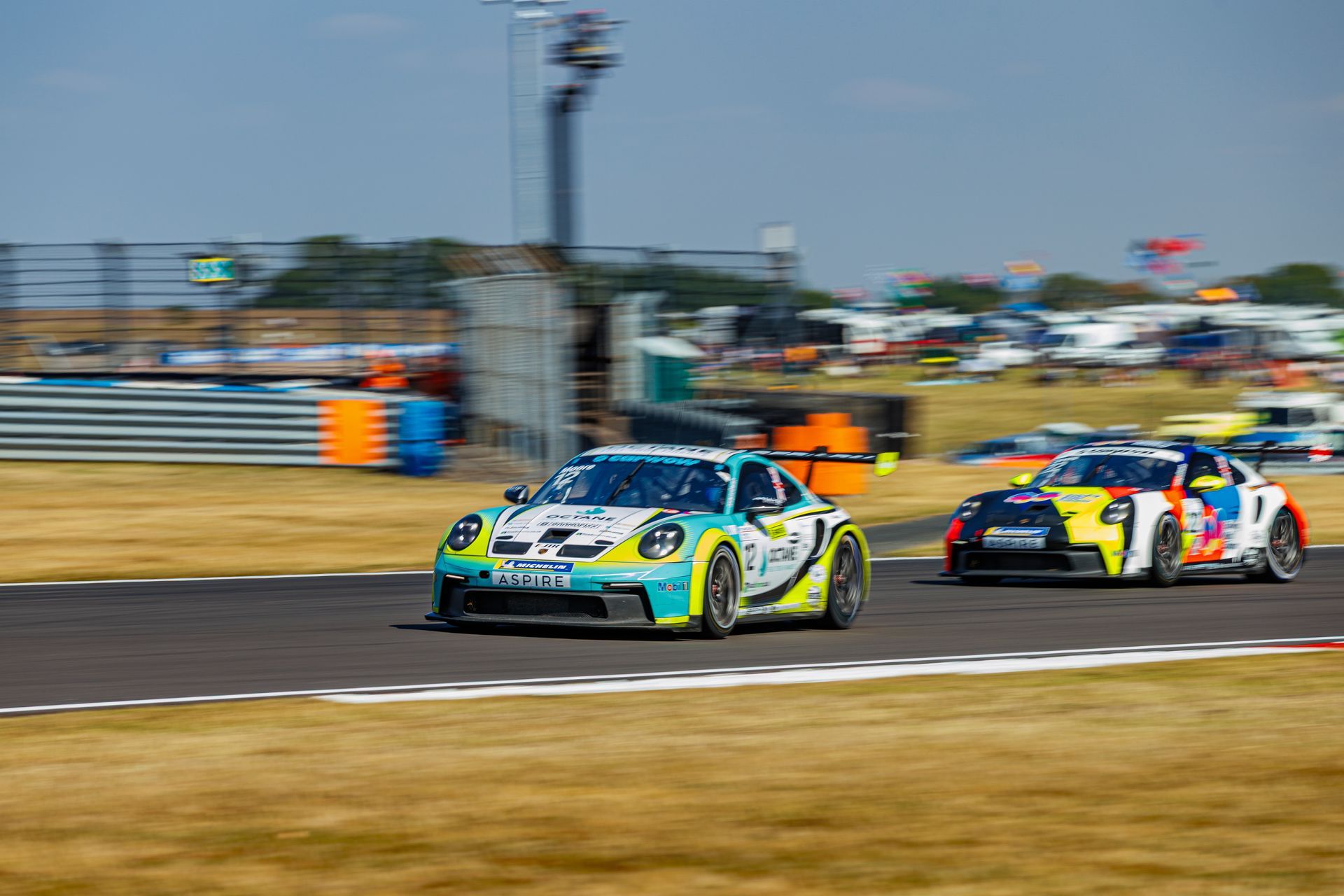
Club and National Racing (UK): £2,000 to £25,000 per season. Entry-level sponsorship at club racing through to national series like the Ginetta Junior Championship or Clio Cup. You won't get TV coverage at this level, but you will get trackside exposure, content opportunities, and genuine grassroots engagement. Brilliant for local businesses or brands that want to test motorsport before committing bigger budgets.
British F4 Championship: £2,000 to £80,000 per season. Junior single-seater racing with live streaming coverage and a growing audience of scouts, team managers and motorsport media. The sweet spot for brands who want to back emerging talent at accessible prices.
BTCC: £50,000 to £500,000+ per season. The UK's premier touring car championship with ITV coverage and around 10 million cumulative viewers. Associate sponsorship starts at the lower end, primary livery placement at the upper end. Exceptional hospitality opportunities across a full UK race calendar.
GT Racing and Endurance: £15,000 to £2 million+ per season. From British GT to the World Endurance Championship and Le Mans. Premium demographics, international exposure, and the unique proposition of 24-hour race events where your brand gets prolonged screen time.
International Series: Variable. IndyCar, NASCAR, F1 and other international series each have their own cost structures, which we cover in dedicated guides. The key point is that there are realistic entry points at almost every level of the sport.
The numbers above are guide ranges. Actual pricing depends on the specific team, the competitiveness of the car, the included deliverables, and your negotiating position. Which brings me to an important point.
How to Get Better Value From Your Deal
Most sponsors pay what they're asked without negotiating. That's like buying the first car you test drive at the sticker price. Here are some practical ways to extract more value:
Negotiate on deliverables, not just price. Instead of trying to beat the price down (which just annoys teams and gets you less), negotiate for additional content deliverables, extra hospitality days, or exclusive access to behind-the-scenes footage. These things cost the team relatively little but can be worth a fortune to your marketing department.
Think multi-year. A one-season deal gives you a taster. A multi-year commitment gives you preferential rates, deeper integration, and the compounding effect of audience recognition. The brands that get the most from motorsport sponsorship are the ones that commit for the long haul. Target sponsored Chip Ganassi's IndyCar operation for over two decades. That kind of association becomes part of the cultural fabric.
Use the hospitality strategically. Don't just take your mates to the races. Identify your highest value prospects and clients, invite them to specific events, and brief the driver in advance on who they'll be meeting. Create genuine VIP experiences that move commercial relationships forward. I've seen single hospitality days generate six-figure deals because the environment breaks down barriers that boardrooms can't.
Produce content properly. The biggest waste in motorsport sponsorship is brands that pay for track presence and then do nothing with it. Get a content plan in place. Film at testing. Create social series. Build race day stories. Repurpose hospitality moments. If you're not producing content from your sponsorship, you're basically sponsoring in silence.
Measure what matters. Set up tracking from day one. Media exposure metrics, social reach, hospitality ROI (meetings booked, deals influenced), brand sentiment, direct enquiries attributed to the sponsorship. You need to know what's working so you can do more of it, and you need evidence to justify the investment internally.
What Good Returns Actually Look Like
I'm not going to give you fabricated ROI figures because every deal is different. What I can tell you is what I've seen deliver genuine commercial value over 30 years:
A building materials company sponsored a BTCC driver at associate level. They used every race weekend to host their top 20 trade accounts. Within two seasons, account retention went from 82% to 96%, and average order values increased by 15%. The sponsorship cost less than the client entertainment budget it replaced.
A technology company took title sponsorship on a GT car at Spa 24 Hours. They used the event to launch a new product to the European press, with the race providing the backdrop and the content. The earned media coverage from that single weekend exceeded the total sponsorship cost.
A regional law firm sponsored a local racing driver at club level for £5,000 a season. The driver's social content mentioned them regularly, the firm displayed the car at their offices, and they used race day hospitality for client development. New client enquiries attributed to the sponsorship generated over £40,000 in fees in the first year.
The common thread isn't the budget. It's the activation. Sponsorship that sits passively generates passive returns. Sponsorship that's actively worked generates commercial outcomes that surprise even sceptics.
The Mistakes to Avoid
I've seen enough deals go wrong to know the patterns. Here are the main ones:
Sponsoring based on friendship, not fit. Your mate's son races karts. Lovely. But unless his audience overlaps with your customer base, you're making a donation, not an investment. Nothing wrong with donations, just don't expect commercial returns from one.
No activation plan. Paying for a logo and then doing nothing with it. This is the single most common mistake and it's heartbreaking to watch. The team gets the money, the brand gets nothing, and everyone concludes that motorsport sponsorship doesn't work. It works. It just doesn't work on autopilot.
Expecting instant results. Brand sponsorship is a medium term play. The first season builds awareness. The second builds recognition. The third builds association. If you're expecting it to work like a Google Ads campaign with measurable returns in week one, you'll be disappointed. Plan for at least two seasons before making a definitive judgement.
Ignoring the contract. Read it. Properly. Understand what happens if the driver changes teams, if the car doesn't race, if the promised deliverables aren't met. Have a lawyer review it. The motorsport industry is full of handshake deals and good intentions, but when things go sideways, you want a contract that protects your investment.
How SuperHub Makes This Easier
Look, you can do all of this yourself. Plenty of brands have. But if you want someone who knows the paddock, understands the deals, and can save you from the expensive mistakes, that's what we do.
We help brands enter motorsport sponsorship the right way. That means finding the right driver and series for your objectives, not just the one that pitched you first. It means negotiating deals that include proper deliverables, content plans, and hospitality structures. It means producing the content that makes the sponsorship actually work across your marketing channels. And it means honest advice about what will and won't deliver for your specific situation.
We also work with racing drivers and teams on the other side of the table, helping them attract and retain sponsors through better marketing, content and commercial presentation. So we understand both perspectives, and that makes us better at structuring deals that work for everyone.
If you're curious about what motorsport sponsorship could do for your brand, start with a conversation. We'll give you an honest assessment of whether it makes sense, what it would cost, and what you could realistically expect to get back.
No obligation. No pitch. Just a straight conversation with someone who's been doing this for three decades and genuinely loves the sport.
Book a free strategy call | Learn more about our sponsorship services| Try our sponsorship value calculator
Racing Driver Sponsorship: Your Questions Answered
How much does it cost to sponsor a racing driver?
Varies massively by level. A grassroots kart or club driver might take £1,000 to £5,000 for a full season. A junior single-seater driver in F4 or Ginetta, £10,000 to £50,000. A BTCC driver personally (separate from the team deal), £20,000 to £100,000. Junior F3 and F2 drivers looking for personal backing, £50,000 to £500,000. A name-brand F1 driver is effectively closed to new entrants unless you are a corporate giant.
What should a sponsorship agreement with a driver include?
Deliverables specified by number and format (social posts, appearances, podcast interviews, on-car branding, race suit space). Content ownership terms. Payment schedule. Morality clause. Exit clauses if performance or results materially change. Non-compete with direct rival brands. Review triggers so you can walk away if something goes wrong. Never sign a driver sponsorship deal without these in writing.
Should you sponsor a driver or a team?
Depends. A team deal gives you the whole infrastructure, hospitality, multiple drivers to leverage. A driver deal gives you a personality to build marketing around and deeper storytelling. Often the best answer is a hybrid, team deal with a specific driver tie-in as named lead sponsor. We generally recommend driver-led activation even when you are buying through the team.
How do you find a driver to sponsor?
Three routes. First, a specialist motorsport marketing agency can match you based on your audience and budget. Second, visit the paddock at the series you are interested in and talk to drivers directly. Third, some drivers and their management have professional sponsorship decks and will approach you, those are worth reading carefully but not signing in the first meeting.
What do sponsors actually receive from a driver deal?
Branding on car, suit, helmet, and appearance assets. Social content with licensed use rights. Personal appearances at your events, open days or staff meetings. Driver endorsement content that can feed your own marketing for years. The better drivers will take an active role in making the sponsorship work, that is the real difference between commercial success and a decal on a car.
How do you measure ROI on driver sponsorship?
Impressions from on-car and on-rider branding (media value), engagement lift on your own social when you use driver assets, leads and enquiries attributable to sponsorship activation, and B2B deals closed through paddock hospitality or driver appearances. Set three to five KPIs at the outset, review at 90 days, again at end of season. Do not wait twelve months to find out whether it worked.
What makes a driver commercially sponsorable?
Results matter, but not as much as you think. Audience matters more. A driver with an engaged social following, a clear brand personality, regular content output and reliable comms with their sponsors is worth more commercially than a faster driver with none of that. Sponsors buy access to audiences, not lap times.
Want This Done For You?
SuperHub helps UK brands with video, content, SEO and marketing that actually drives revenue. No vanity metrics. No bullsh*t.