
How to Sponsor an F1 Team: A Realistic Guide for UK Brands
So you want to sponsor an F1 team. Fair enough. It's the most visible motorsport platform on the planet, the audiences are enormous, and since Liberty Media took over the commercial rights the whole circus has been turbocharged by Drive to Survive and a massive push into new markets.
But here's the thing. Most of the advice about F1 sponsorship online is either written by people who've never been near a paddock or by agencies trying to sell you something. I've spent thirty years raising millions in funding and motorsport sponsorship across multiple series. I wrote Race Funded because someone needed to write a straight-talking guide to how this stuff actually works. So let me give you the realistic version.
What Does F1 Actually Cost?
The budget cap for 2026 is $215 million per team. Before you start hyperventilating, that number needs context. The cap started at $145 million in 2021, dropped to $140 million in 2022, then settled at a $135 million base from 2023 to 2025 with a $1.8 million allowance per race above 21 events. The 2025 actual cap worked out at roughly $140.4 million with 24 races on the calendar.
The jump to $215 million for 2026 looks dramatic but the FIA has stated it reflects inflation adjustments and the reclassification of certain costs being brought inside the cost cap perimeter not a genuine increase in spending. Teams aren't suddenly spending $75 million more than they were. The accounting boundaries have shifted.
And that cap doesn't include everything. Driver salaries are excluded. The top three highest-paid personnel are excluded. Marketing and hospitality costs sit outside. Heritage activities and infrastructure development have a separate capital expenditure allowance of $45 million over a rolling four-year period. The total cost of running an F1 team is significantly higher than the headline cap figure.
Divide that cap by two cars and you start to understand the scale of what teams need to fund. Which explains why sponsorship is the lifeblood of the sport and why every square centimetre of the car, the driver, and the team infrastructure represents potential revenue.
What Does F1 Sponsorship Cost a Brand?
Right, this is the bit everyone wants to know and nobody gives straight answers about. The honest answer is that it ranges from genuinely achievable to genuinely absurd depending on what you're buying.
Title sponsorship of a competitive F1 team your name next to theirs on everything sits in the range of $40 million to $60 million per year for a front-running team. Some deals are worth significantly more. Oracle's deal with Red Bull was reportedly worth $100 million annually. Aramco's arrangement with Aston Martin is in a similar bracket.
Primary sponsorship major livery position, significant activation rights typically runs between $10 million and $30 million per year, depending on the team's competitive position and the exposure package.
Official partner status smaller livery presence, hospitality and content rights ranges from $2 million to $10 million. This is where a lot of B2B brands enter the sport because it gives you the association, the access, and the content creation opportunities without the headline-grabbing commitment.
Official supplier deals can start from $500,000 to $2 million, often structured as product-for-branding exchanges rather than pure cash. If your business makes something an F1 team actually uses technology, logistics, materials, services this can be an extremely cost-effective entry point.
To put this in perspective, LVMH's deal as F1's official luxury goods partner through TAG Heuer, Moët Hennessy, Louis Vuitton and Belvedere is reportedly worth $150 million per year across a ten-year agreement. That's $1.5 billion total. That's what access to F1's global audience is worth to the biggest brands in the world.
The Licensing Opportunity Nobody Talks About
Here's where it gets interesting for brands that can't write cheques with that many zeros. F1 team licensing is one of the most underexplored commercial opportunities in the sport.
The principle is simple. Instead of paying to put your logo on a car, you pay to put the team's brand on your product. You license the team name, the livery, the association, and you create a product that carries all of that heritage and credibility.
The best example I keep coming back to is the Jordan Buzzing Hornets Honda Civic. When Jordan Grand Prix backed by Benson & Hedges and powered by Honda faced tobacco advertising restrictions, they couldn't use the B&H branding directly. So they created the "Buzzing Hornets" identity and Honda produced a limited edition Civic carrying the team livery and branding. It worked brilliantly. The sponsor got exposure through a consumer product, the engine partner got a retail tie-in, and the team monetised their brand beyond trackside advertising. Note here without directly mentioning Benson and Hedges, the genius was not mentioning it was actually better because psychologically it was naughty or unsaid.
That model still works today. I've been developing a concept around licensing team brands for products in growing markets take Williams as an example. Williams has an extraordinary engineering heritage. License the Williams FW designation for an EV charger and you've got a product that carries genuine engineering credibility. The team gets a licensing fee typically structured as a percentage per unit with a minimum guarantee, expect north of £100,000 over the licensing period as a starting point and the manufacturer gets a brand association that no amount of advertising could buy.
Not every team suits every product, mind. Red Bull's brand wouldn't work on a washing machine it's an energy drink that some say tastes like medicine. And car manufacturers with engine partnerships create conflicts you couldn't license a Ford-powered team to brand a competitor's product. But for the right team-product combination, licensing can deliver F1 association for a fraction of the cost of traditional sponsorship.
Why Most Brands Should Start Lower
Here's where I'm going to be brutally honest in a way that most agencies won't be, because they're trying to sell you the biggest deal possible.
If you've never done motorsport sponsorship before, F1 probably isn't where you should start. The costs are enormous, the activation requirements are demanding, and the competition for attention within the F1 ecosystem is fierce. You'll be sharing space with some of the most sophisticated marketing operations on the planet.
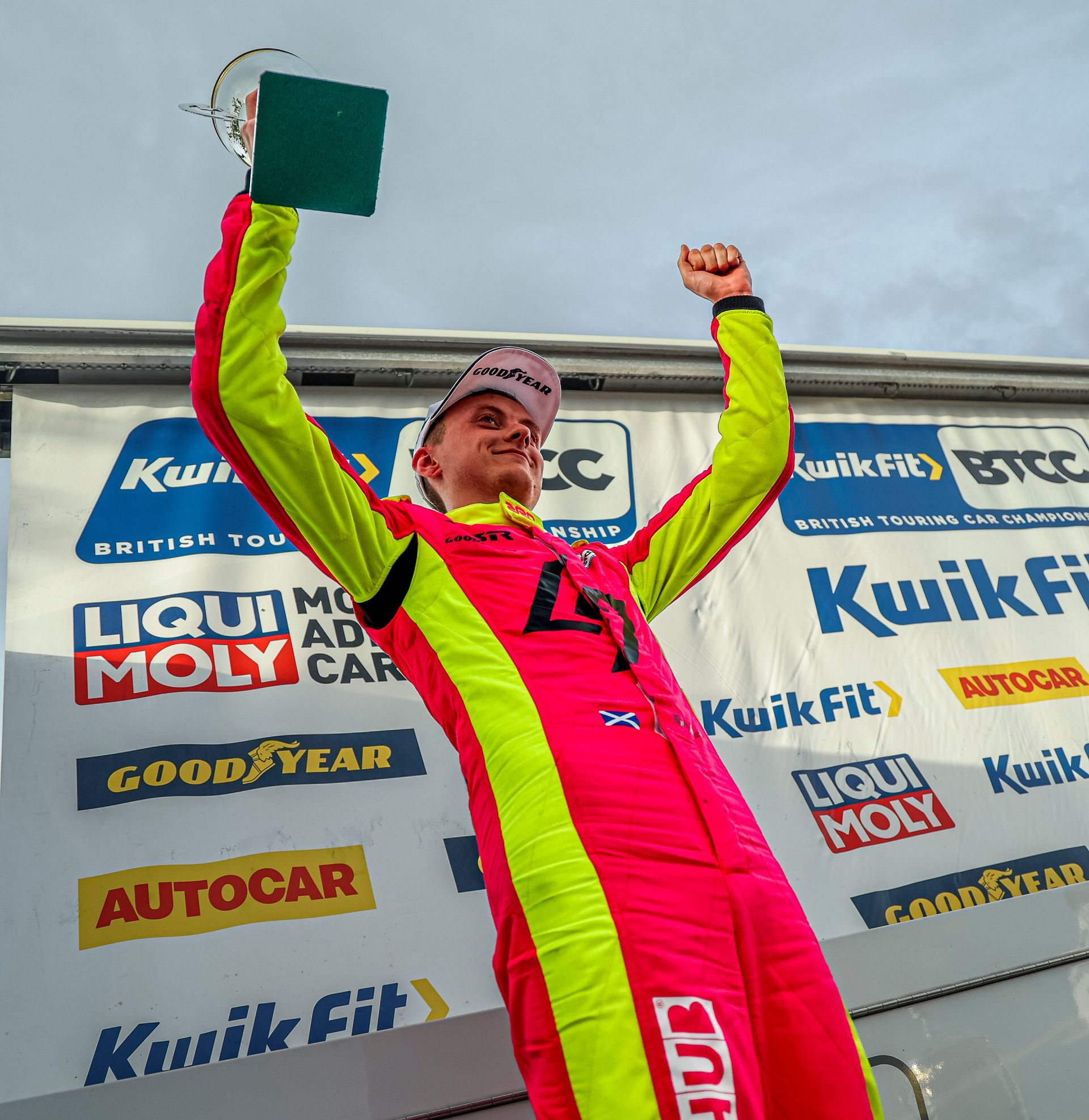
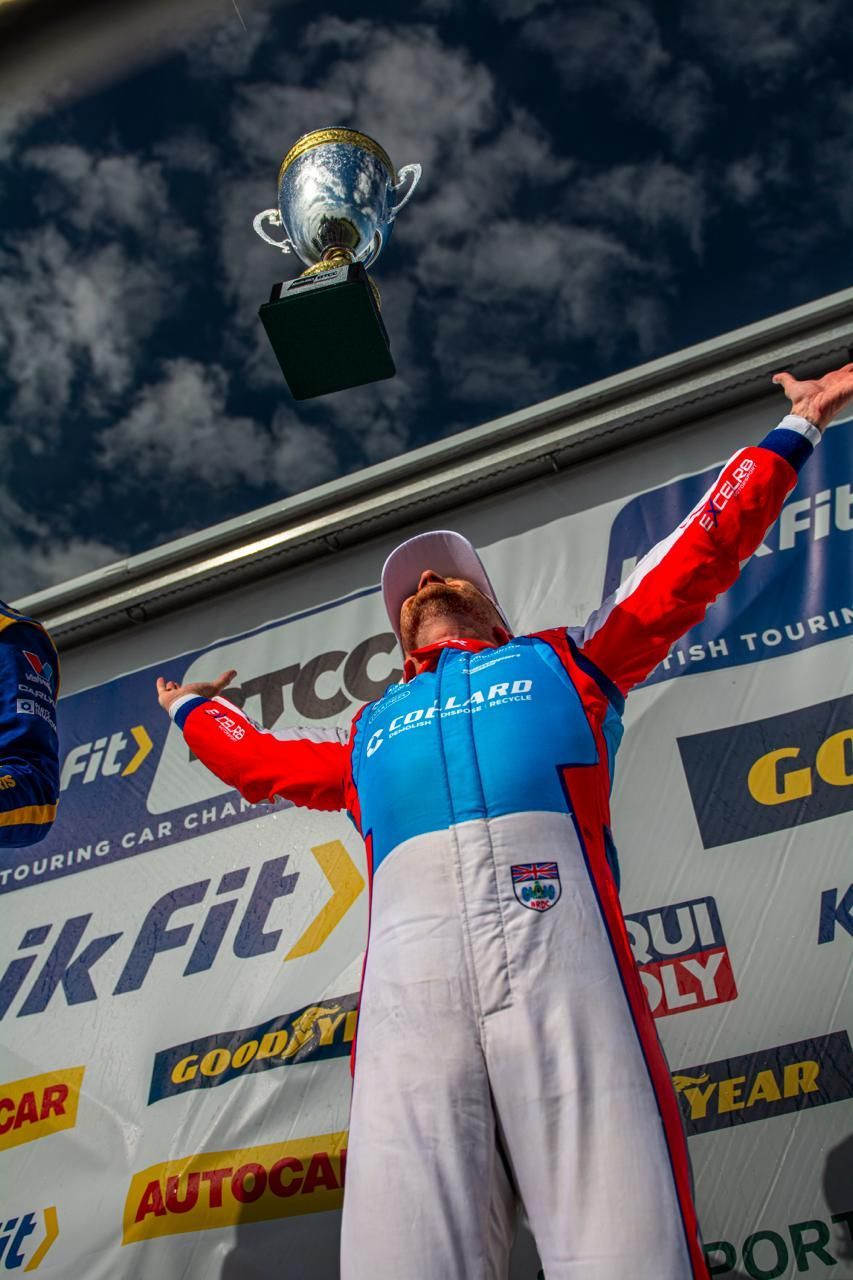
British Touring Car Championship offers free-to-air ITV4 coverage, 10 million cumulative viewers per season, and sponsorship that starts from £5,000 for associate-level involvement. You could run a full season as a BTCC team sponsor for the cost of a minor F1 supplier deal. The learning you'd get from that experience understanding activation, measuring ROI, building content would make you a far better F1 sponsor if you decide to step up later.
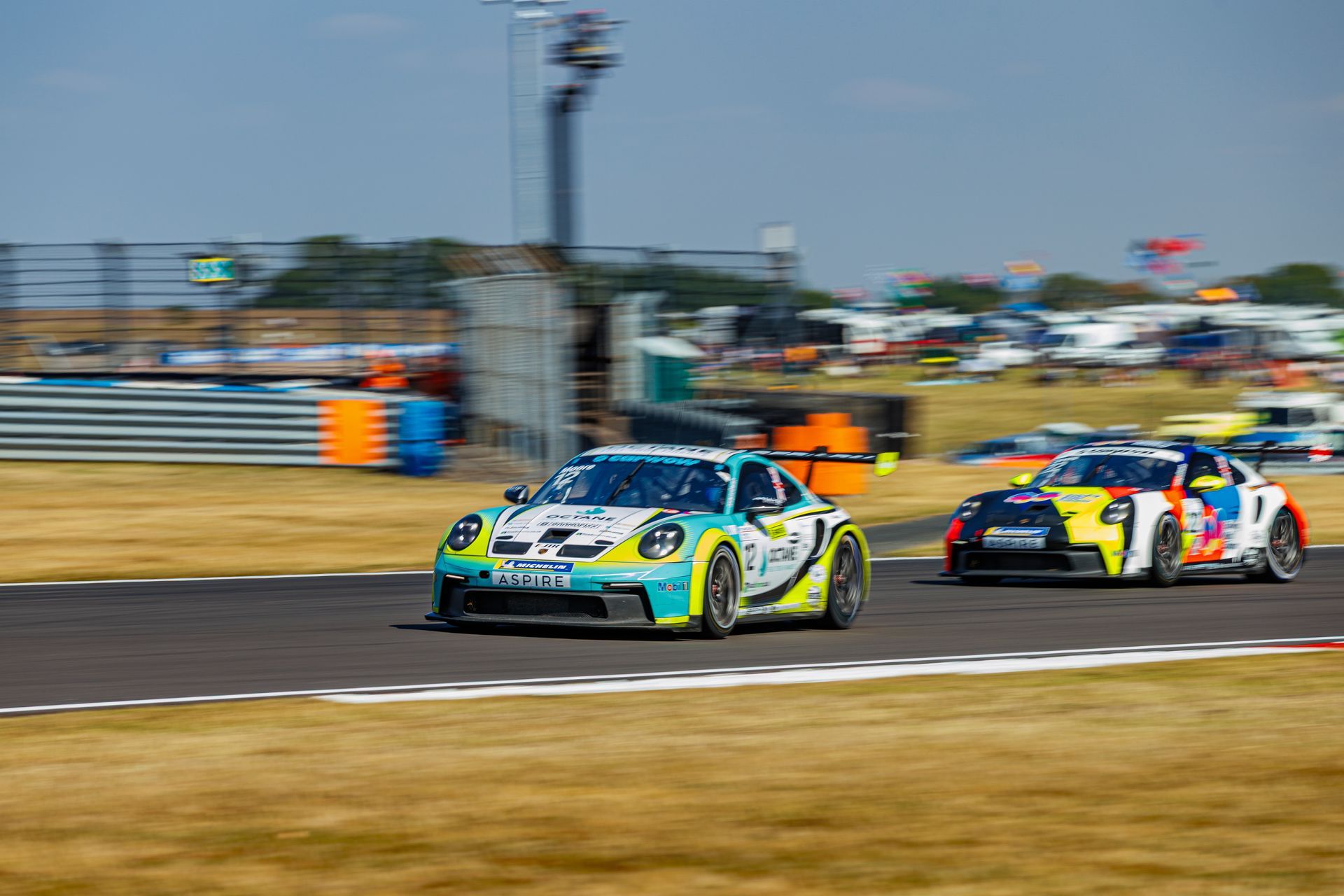
British GT attracts a premium audience demographic with season costs from £400,000 to £600,000 for a competitive programme. F4 British Championship offers access to the future stars of the sport with running costs around £400,000. Even Ginetta racing, starting from £60,000, gives you a genuine motorsport platform to test your approach.
The point is this: the best F1 sponsors are the ones that stay for years and genuinely extract value, usually have motorsport experience at other levels first. They understand the rhythms of a race weekend, they know how to brief content teams, and they've figured out which metrics actually matter to their business. Going straight to F1 without that experience is like entering the Champions League without ever playing a league match.
The Audience Has Changed
One thing worth understanding if you're considering F1 is that the audience has shifted dramatically since Liberty Media's takeover. It's younger, more international, more digitally engaged, and more diverse than at any point in the sport's history. Netflix brought in fans who'd never watched a race before. Social media means teams now have direct relationships with millions of followers. TikTok has turned mechanics and engineers into celebrities.
For sponsors, this changes the activation playbook completely. The old model of logo placement and corporate hospitality still has its place, but the real value now is in content. Teams produce extraordinary amounts of behind-the-scenes content that sponsors can integrate into. Driver appearances drive social engagement that dwarfs traditional advertising metrics. And the global nature of the calendar means your brand travels to every major market on earth over the course of a season.
The increase in audience since Liberty took control has trickled down to every team. Even backmarkers can now command sponsorship values that would have been unthinkable a decade ago. The TAG Heuer deal replacing Rolex as the official F1 timekeeper tells you everything Rolex was paying around $10 million when they signed in 2011, and by the end of their deal the category was worth enough for LVMH to commit $150 million annually. That's the scale of growth we're talking about.
How to Evaluate What You're Being Offered
If you're at the stage where an F1 team or intermediary has put a proposal in front of you, here's what to look for beyond the headline price.
What activation rights are included? Can you use the team brand in your marketing? Do you get content creation days with the driver? Is hospitality included and if so, how many guests across how many races? What happens if the team gets relegated from the championship or the driver moves to a rival? Are there performance clauses?
What exclusivity do you get? Category exclusivity matters. If you're a technology company, are there other tech sponsors on the car? Being one of twelve "official partners" dilutes value fast. Understanding your share of voice within the team's commercial programme is critical.
What's the term? F1 deals typically run for multiple years. The first year is always the most expensive because the activation setup costs are front-loaded. By year two or three, the relationship should be generating significantly more value per pound spent.
Our Motorsport Sponsorship Audit exists precisely for this situation. If you've been approached about an F1 deal — or any level of motorsport sponsorship — and want an independent assessment from someone who actually knows the paddock, that's what we do. Starting from £1,500 for a single deal evaluation, up to a comprehensive programme assessment for established sponsors.
Next Steps
If F1 sponsorship is something you're seriously considering, start with Race Funded . It covers the fundamentals of motorsport sponsorship economics, deal structuring, and activation strategy that apply at every level of the sport including F1.
If you want to understand where your brand fits within the motorsport landscape — whether that's F1, BTCC, GT racing, or somewhere else entirely — book a free call . We've been matching brands with motorsport opportunities for thirty years and we'll tell you honestly where your budget will work hardest. Sometimes that's F1. Often it's not. Either way, you'll make a better decision than going in blind.
F1 Sponsorship: Your Questions Answered
How much does it cost to sponsor an F1 team?
Title sponsorship at a top-three F1 team runs £50 million to £150 million a season. Mid-grid teams take £15 million to £40 million for major positions. Small-scale sponsorship, a sticker on a sidepod or a car programme tie-in, starts around £250,000 to £1 million a season. Anything under that is almost always a hospitality or B2B partnership, not actual car livery space.
Can small UK brands realistically sponsor Formula 1?
Not directly on the car, no. But there are routes in: supplier partnerships with British-based teams (six of the ten teams are headquartered in the UK), driver personal sponsorship during their F2 or F3 junior years, paddock club hospitality, and sector-specific tech partnerships. Plenty of SMEs have F1 relationships without ever paying for car space.
What do you get for F1 sponsorship money?
Global TV exposure across 24 races in 180 territories, roughly 1.5 billion cumulative viewers a season. You also get paddock access, B2B hospitality at every race weekend, driver and team appearance rights, content rights (huge for social), and in many cases technical partnership credibility. Activation is where sponsorship earns its money, the logo alone is not the product.
What is the cheapest way to get F1 exposure for your brand?
Supply chain partnerships if you have a product a team genuinely uses, supplier status gets you logo placement, usually in return for discounted product rather than cash. Otherwise, driver sponsorship before they reach F1 (at F2, F3 or F4 level) can travel up with them if you tie the deal right. Both of those can cost a tenth of what direct F1 entry costs.
How does F1 sponsorship compare to other motorsport sponsorship?
F1 gives you the biggest global audience and the most premium brand association, but it is also the most expensive and the most crowded. For UK reach specifically, BTCC delivers better value. For content and social, MotoGP is cheaper per impression. For ESG positioning, Formula E wins. F1 is the top of the pyramid, not the only level worth being on.
Is F1 sponsorship worth it for B2B brands?
For B2B it is often a better fit than B2C. The hospitality rights put you in front of CEOs, procurement leads and government ministers in a way few other environments can. If your sales cycles involve big-ticket buyers and you can close a handful of deals worth seven figures, F1 hospitality can pay for itself before the sticker value is even calculated.
How do you measure the ROI of F1 sponsorship?
Three layers: media value (equivalent advertising value of logo exposure), brand lift (shifts in awareness and consideration surveys in target markets), and direct commercial activation (deals closed through paddock hospitality or co-marketing activity). Teams will give you the first layer for free, the other two you pay a measurement partner to track independently.
Want This Done For You?
SuperHub helps UK brands with video, content, SEO and marketing that actually drives revenue. No vanity metrics. No bullsh*t.