Learn About Marketing: Your Essential Guide for 2026
The business world is changing at lightning speed, and to stay ahead in 2026, you must learn about marketing in all its modern forms. Whether you are growing a business or advancing your career, mastering new marketing skills is essential for success.
This essential guide offers a clear path through today’s marketing landscape. You will explore modern strategies, powerful tools, and the trends shaping tomorrow’s opportunities.
Expect to uncover core marketing concepts, understand the impact of digital transformation, gain insights tailored to key sectors, and discover practical steps to help you thrive. Ready to future-proof your knowledge? Dive in and learn about marketing so you can lead with confidence.
Understanding Marketing in 2026: Core Concepts and Evolution
To truly learn about marketing in 2026, it is crucial to understand how the discipline has evolved. The foundations remain, but the strategies, tools, and expectations have transformed dramatically. Businesses and professionals must adapt to keep pace and achieve sustainable growth.
Defining Marketing: From Traditional to Digital
To learn about marketing today is to explore its journey from print adverts and cold calls to immersive digital experiences. The focus has shifted from outbound tactics, where businesses pushed messages out, to inbound strategies that attract and engage audiences.
Modern marketing integrates digital and analogue methods, blending social media, email, and content with physical events and print. The customer now sits at the heart of every campaign, with personalisation and value-driven communication the norm. For a deeper dive into these principles, see Marketing fundamentals explained.
Key Marketing Pillars in 2026
The classic 4 Ps—product, price, place, promotion—still matter, but they have evolved. To learn about marketing pillars in 2026 means understanding how experience shapes every touchpoint.
- Product: Focus on user experience and innovation.
- Price: Dynamic pricing based on real-time data.
- Place: Omnichannel distribution, both online and offline.
- Promotion: Content-driven, personalised messaging.
Experience-driven marketing and data-led decisions underpin every successful brand. Companies that learn about marketing today will see these pillars as interconnected, forming a seamless customer journey.
The Role of Technology and Automation
Technology is at the heart of how we learn about marketing in 2026. Artificial intelligence, machine learning, and automation tools streamline processes and unlock new creative possibilities.
- AI analyses customer data for precise targeting.
- Real-time analytics optimise campaigns instantly.
- Chatbots and conversational marketing deliver immediate, relevant responses.
Marketers who embrace these tools can adapt quickly, ensuring their strategies remain effective in a fast-changing environment.
Changing Consumer Behaviour and Expectations
Anyone aiming to learn about marketing must recognise how consumer values have shifted. Ethical, sustainable, and purpose-driven purchasing is now widespread, with customers scrutinising brand values.
People expect seamless multi-channel experiences, whether online, in-store, or via mobile. Hyper-personalisation is in demand, but so is privacy. Marketers must balance data-driven insights with respect for personal information, building trust at every step.
The Importance of Brand Storytelling
To truly learn about marketing, consider the power of storytelling. Brands that create emotional connections through authentic narratives build deeper trust and loyalty.
Content is now a key differentiator, setting brands apart in crowded markets. For instance, a UK tourism brand saw engagement soar after weaving local stories into its campaigns, making experiences more relatable and memorable.
Effective storytelling is not just about what you say, but how you say it. It brings your brand to life and turns audiences into advocates.
Digital Marketing Strategies for 2026 Success
In 2026, digital marketing is more dynamic, data-driven, and personalised than ever before. If you want to learn about marketing at a professional level, you must stay ahead of emerging trends and integrate innovative strategies. The following sections break down essential digital marketing pillars, each critical for growth in a competitive landscape.
Search Engine Optimisation (SEO) and Content Marketing
To truly learn about marketing in 2026, mastering SEO and content marketing is non-negotiable. Voice search and semantic search are redefining how people find information, making E-A-T (Expertise, Authoritativeness, Trustworthiness) a top priority for brands.
For companies in competitive sectors such as renewables, ranking for high-value keywords demands advanced strategies and consistent content quality. Adopting insights from Digital and content marketing mastery can help you create impactful campaigns that deliver measurable results.
Experiment with topic clusters, structured data, and multimedia content to stand out.
Social Media Marketing: Platforms and Trends
If you want to learn about marketing that truly connects, you must keep pace with social media evolution. New platforms like Threads and BeReal are challenging established networks, while video-first content and live streaming dominate user engagement.
Micro-influencers offer authentic connections, especially within niche communities. Brands are leveraging short-form video, interactive polls, and real-time updates to foster loyalty.
Staying agile means regularly evaluating which platforms resonate most with your audience and adapting your content style accordingly.
Data Analytics and Performance Tracking
Anyone seeking to learn about marketing in 2026 must harness the power of data analytics. With the decline of third-party cookies, first-party data is now the gold standard for measuring campaign effectiveness.
Key metrics such as ROI, conversion rates, and customer lifetime value (CLV) are essential for evaluating success. Modern analytics tools offer real-time dashboards, enabling marketers to make informed decisions and optimise campaigns instantly.
A data-driven approach is no longer optional, it is central to sustained growth.
Paid Advertising and Programmatic Marketing
To learn about marketing that delivers rapid results, you need a solid understanding of paid advertising and programmatic approaches. Automated bidding, AI-powered ad placements, and native advertising are transforming how brands reach consumers.
Programmatic campaigns allow for precise targeting and efficient budget allocation, as seen in the fast food industry where instant offers drive conversions.
Sponsored content, when integrated seamlessly, enhances brand credibility and visibility across digital platforms.
Email and Direct Marketing
If you wish to learn about marketing that nurtures long-term relationships, email and direct marketing remain vital. Hyper-segmentation and personalisation are now standard, allowing brands to deliver tailored messages at scale.
Automated drip campaigns ensure timely engagement, while GDPR and privacy compliance are paramount in 2026. Marketers must balance personalisation with respect for user privacy, building trust and encouraging interaction.
Test subject lines, timings, and formats to maximise open and conversion rates.
Integrated Campaigns: Bridging Digital and Offline
To fully learn about marketing in a modern context, integrating digital and offline channels is essential. Tactics such as QR codes, NFC, and experiential events bridge the gap between physical and virtual experiences.
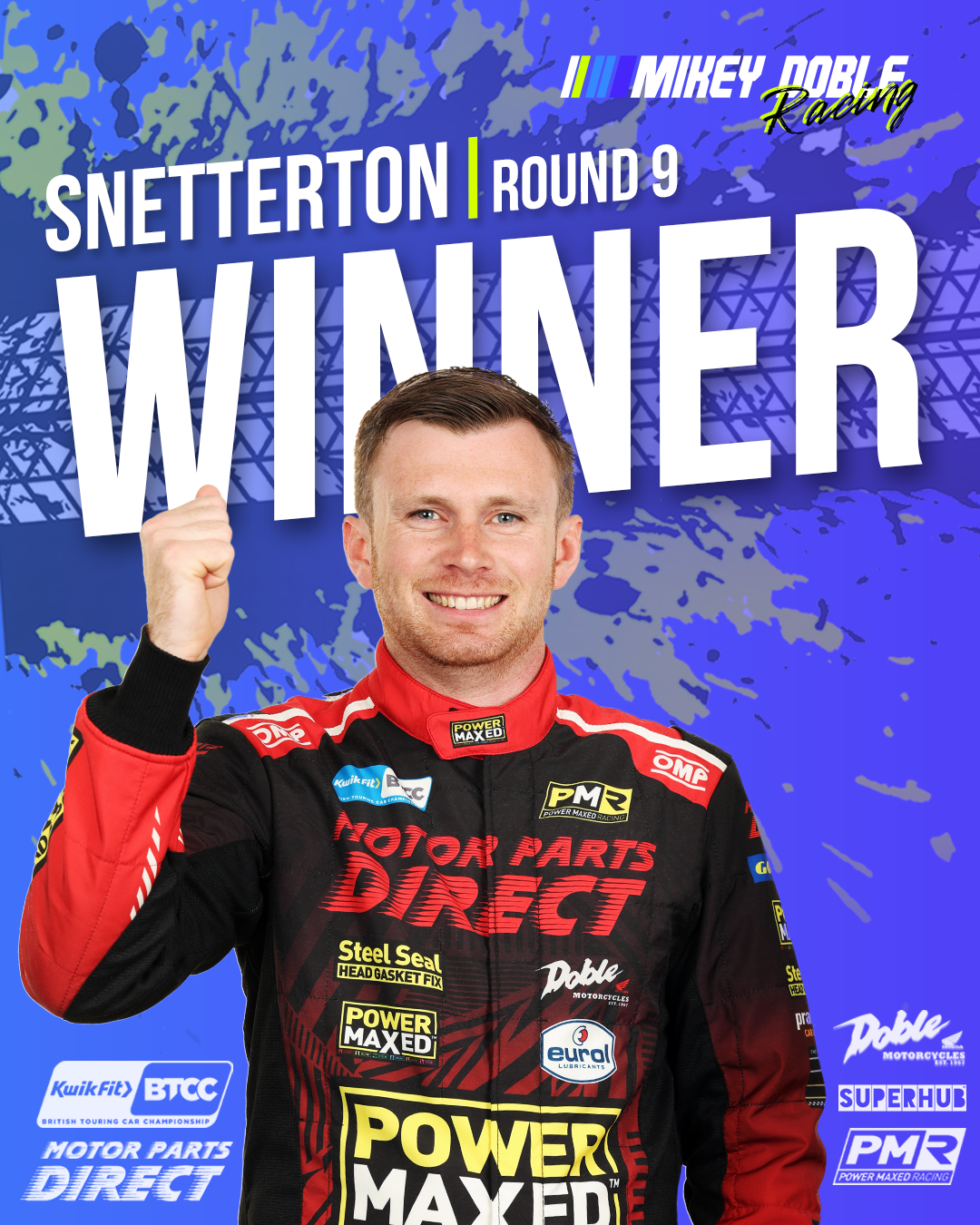
Successful campaigns coordinate messaging and branding across all touchpoints. For example, motorsport events now blend live experiences with digital engagement, creating a unified customer journey.
Evaluate each channel’s impact and adjust your strategy for seamless cross-channel storytelling.
Working with a Digital Marketing Agency: The SUPERHUB Advantage
For those who want to learn about marketing from industry leaders, partnering with agencies like SUPERHUB offers distinct advantages. They deliver measurable results for B2B and B2C clients across motorsport, renewables, tourism, fast food, and technology sectors.
SUPERHUB’s expertise spans creative content, SEO, and multi-channel campaigns. A recent case study shows how their strategies drove significant revenue growth for a Devon-based motorsport brand.
Collaboration ensures you benefit from the latest tools, trends, and sector-specific insights.
Sector-Specific Marketing Insights: Trends and Best Practices
In 2026, sector-specific strategies are vital for those eager to learn about marketing at the highest level. Each industry faces unique challenges and opportunities, shaped by trends, technology, and changing audience expectations. The following insights reveal how leading brands are adapting for impact and growth.
Motorsport Marketing in 2026
Motorsport marketing is evolving rapidly, with brands keen to learn about marketing that maximises both sponsorship value and fan engagement. Sponsorship activation now goes beyond logos, focusing on interactive digital experiences for fans at home and at the circuit.
Teams and drivers increasingly rely on digital content, from behind-the-scenes footage to real-time race insights. Social media plays a crucial role, offering sponsors measurable exposure and direct access to engaged communities.
A successful campaign often blends live event excitement with ongoing digital storytelling, ensuring year-round brand relevance.
Renewables Sector: Green Marketing Strategies
Sustainability is at the heart of renewables marketing, making it essential to learn about marketing that communicates genuine green credentials. Brands must transparently showcase their environmental impact, as consumers are increasingly aware of greenwashing risks.
Navigating evolving regulations remains a challenge. Companies that share independently verified data and certifications build trust. According to Statista, 78% of UK consumers now prefer eco-friendly brands, highlighting the commercial importance of authentic sustainability.
Effective campaigns use storytelling and data to educate, inspire, and reassure environmentally conscious audiences.
Tourism and Hospitality: Experience-Driven Campaigns
Anyone aiming to learn about marketing in tourism and hospitality must prioritise experience. Personalised travel recommendations, powered by AI, are now the norm. Brands use customer data to suggest tailored itineraries and offers, driving higher conversion rates.
Virtual tours and immersive content, such as 360-degree videos and live-streamed experiences, help potential guests visualise their trips. The UK tourism board’s recent AR campaign allowed users to explore destinations virtually, boosting interest and bookings.
Blending digital innovation with traditional service excellence delivers memorable, shareable experiences.
Fast Food Industry: Speed, Convenience, and Loyalty
To learn about marketing in the fast food sector, focus on speed, convenience, and loyalty. Mobile ordering and seamless delivery integration are standard, meeting the demand for instant gratification.
Loyalty programmes, often app-based, use personalised rewards to encourage repeat visits. Digital promotions, such as limited-time offers and gamified experiences, drive engagement. According to Mintel, 65% of UK fast food sales now originate from digital channels.
Success in this sector hinges on frictionless experiences and strong digital presence.
Technology Sector: Innovating for Competitive Edge
Those who learn about marketing in technology know that innovation is non-negotiable. Product launches demand creative strategies, including teaser campaigns, influencer partnerships, and exclusive previews.
Thought leadership content, such as whitepapers and blogs, positions brands as industry experts. Webinars and online events have become key lead generation tools for B2B SaaS firms, offering value while capturing qualified prospects.
Agility and a willingness to experiment are hallmarks of leading technology marketers.
Cross-Sector Lessons and Opportunities
No matter your industry, it pays to learn about marketing successes from other sectors. One universal driver is data-driven personalisation, which tailors messages and offers to individual needs.
Collaborations and partnerships expand reach and credibility, while adapting tactics from other industries can spark innovation. For a deeper dive into how analytics underpin these approaches, see this guide to data-driven marketing strategies.
A summary of cross-sector best practices:
| Lesson | Description |
|---|---|
| Personalisation | Customise content to audience segments |
| Collaboration | Form partnerships for greater impact |
| Data-driven decision making | Use analytics for campaign optimisation |
| Innovation | Experiment with new formats and channels |
Staying agile and open to cross-sector inspiration is the key to long-term marketing success.
Step-by-Step Guide: Building Your 2026 Marketing Plan
Building an effective strategy to learn about marketing in 2026 starts with a structured approach. Each stage below is designed to help you create a robust, future-ready plan that delivers measurable value.
Step 1: Define Objectives and KPIs
The first step as you learn about marketing is to set clear, actionable goals. Start with SMART objectives—Specific, Measurable, Achievable, Relevant, and Time-bound—aligned to your business mission.
Next, identify key performance indicators (KPIs) to track progress. Typical KPIs include:
| Objective | Primary KPI | Secondary KPI |
|---|---|---|
| Increase brand awareness | Organic reach | Social mentions |
| Drive sales | Conversion rate | Average order value |
| Boost loyalty | Repeat purchase % | Net promoter score |
Review KPIs regularly to ensure they remain relevant as your strategy evolves.
Step 2: Know Your Audience
To truly learn about marketing, you must understand your target audience in detail. Begin by building comprehensive buyer personas, including demographics, motivations, pain points, and preferred channels.
Segmentation tools help divide your audience into meaningful groups, allowing for tailored messaging. Consider the following persona attributes:
- Age and location
- Professional role or interests
- Purchase drivers and barriers
- Preferred content formats
By knowing your audience intimately, you can craft messages that resonate and drive engagement.
Step 3: Choose the Right Channels
Choosing effective channels is vital as you learn about marketing. Evaluate the strengths of digital and analogue options, considering your audience’s habits and campaign objectives.
Digital channels include:
- Social media platforms
- Email marketing
- SEO and paid search
Analogue channels may involve:
- Print advertising
- Direct mail
- Event sponsorship
An omnichannel strategy ensures brand consistency and maximises reach, blending both online and offline touchpoints.
Step 4: Craft Compelling Content
Content is at the heart of every effort to learn about marketing. Use storytelling frameworks to build emotional connections and plan your messaging with a content calendar.
Prioritise variety:
- Visual content (infographics, images)
- Video (live streams, explainers)
- Interactive tools (quizzes, calculators)
Stay ahead by monitoring content trends and updating your approach to maintain relevance and audience interest.
Step 5: Activate and Promote
With your assets prepared, the next step in your quest to learn about marketing is campaign activation. Launch across selected channels for maximum impact, coordinating timing for consistency.
Leverage influencer partnerships and brand ambassadors to extend reach. Key tactics include:
- Scheduled email blasts
- Social media countdowns
- Event-based promotions
Track initial engagement to refine ongoing promotional efforts.
Step 6: Measure, Analyse, and Optimise
Continuous improvement is essential as you learn about marketing. Gather data from all channels, focusing on actionable insights.
Monitor metrics such as ROI, conversion rates, and customer lifetime value. Use A/B testing to compare campaign elements and adjust based on performance.
In 2026, AI's Impact on Marketing Performance is profound, enabling real-time analysis and predictive adjustments that can significantly boost results.
Step 7: Stay Agile and Future-Focused
To remain competitive while you learn about marketing, agility is crucial. Embrace emerging trends and technologies, adapting your strategy as the market shifts.
Build resilience by upskilling your team and monitoring sector developments. For a forward-looking approach, consult resources on Emerging Marketing Trends for 2026 to stay one step ahead.
Regularly reviewing and updating your plan ensures it withstands change and continues to drive growth.
The Future of Marketing: Predictions and Innovations for 2026
As we look ahead, anyone aiming to learn about marketing must understand the forces shaping tomorrow’s landscape. The next few years will introduce profound shifts, blending advanced technology, evolving consumer values, and new strategic demands. Let’s explore four key trends set to define marketing in 2026.
The Rise of AI and Predictive Marketing
In 2026, to truly learn about marketing, you cannot ignore artificial intelligence. AI-driven personalisation is reaching new heights, delivering tailored content, offers, and messaging at scale. Marketers now rely on predictive analytics to anticipate customer behaviour and optimise campaigns before they launch.
AI chatbots have become standard for customer service, providing instant, context-aware support. The ability to forecast trends and automate responses gives brands a significant edge. For a deep dive into how AI is transforming the discipline, explore this AI in Marketing: Topic Analysis for current research and applications.
Privacy, Ethics, and Trust in Marketing
As you learn about marketing in 2026, it is vital to prioritise privacy, ethics, and trust. With the introduction of stricter data regulations, marketers must balance personalisation with transparency. Consumers are more aware of how their data is used, demanding ethical practices and clear communication.
A recent YouGov survey found that 82% of UK consumers value brands that uphold ethical data standards. Building trust now requires honest messaging, opt-in consent, and visible security measures. Marketers who respect privacy will foster deeper loyalty, setting themselves apart in a crowded marketplace.
New Frontiers: AR, VR, and the Metaverse
Another area to focus on as you learn about marketing is the rapid adoption of AR, VR, and the metaverse. Brands are experimenting with immersive experiences, from virtual product launches to interactive showrooms. These technologies offer new ways to engage audiences, making campaigns memorable and shareable.
Tourism boards and technology companies are early adopters, using virtual reality tours and augmented experiences to attract and retain customers. For cutting-edge insights into where digital advertising and creative strategies are heading, the 2026 Digital Advertising Trends Report highlights key innovations shaping the industry.
The Marketer’s Evolving Role
To learn about marketing for 2026, professionals must recognise their changing responsibilities. Marketers are moving beyond tactical tasks, becoming strategic leaders who guide business growth. The demand for hybrid skills—combining digital expertise, creativity, and data analysis—is rising rapidly.
Continuous learning and upskilling are now essential. Marketers who embrace innovation and adapt to new technologies will be best positioned for success. The future belongs to those ready to lead, collaborate, and evolve alongside the industry.
As we've explored the essential strategies and sector insights shaping marketing in 2026, you can see how powerful a tailored approach can be for real business growth. Whether you’re in motorsport, renewables, tourism, fast food or technology, staying ahead of the curve with creative content, data-driven campaigns and multi-channel integration is key. If you’re ready to take the next step, deepen your understanding or simply want to see how these ideas can work for your brand, I encourage you to Find out more. Let’s make your marketing strategy for 2026 your most successful yet.
Want This Done For You?
SuperHub helps UK brands with video, content, SEO and social media that actually drives revenue. No vanity metrics. No bullshit.