

7 Essential Start Up Marketing Tactics For 2026 Success
The start up landscape in 2026 is fiercer and faster-moving than ever, with digital trends and customer expectations evolving at record speed. To thrive, mastering start up marketing is no longer optional, but essential. In this article, we unveil the seven marketing tactics every ambitious start-up must perfect to stand out and succeed. Discover how to harness content marketing, hyper-targeted social media, advanced SEO, data-driven personalisation, strategic partnerships, agile experimentation, and customer advocacy. Ready to unlock your start-up’s growth potential? Read on for proven, actionable strategies that will set you apart.
Understanding the 2026 Start-Up Marketing Landscape
The landscape for start up marketing in 2026 is unlike anything seen before. Rapid advancements in technology, shifting consumer values, and intense competition are redefining what it takes for new businesses to succeed. To thrive, start-ups must understand the evolving dynamics and respond with agility, innovation, and compliance.

The Impact of Technology and AI on Marketing
In 2026, technology is at the core of start up marketing. Artificial intelligence and machine learning are driving smarter analytics, automation, and personalisation. Start-ups are using AI-powered tools to segment audiences, predict customer behaviour, and generate tailored content at scale.
Chatbots now offer real-time support, predictive analytics inform campaign decisions, and AI-generated content ensures relevance. As data-driven strategies become essential, mastering these technologies is non-negotiable. For actionable insights on harnessing automation and analytics, see Mastering data-driven marketing strategies.
Evolving Consumer Behaviours and Expectations
Today’s consumers are more informed and values-driven than ever, shaping the direction of start up marketing. Conscious consumerism is on the rise, with audiences demanding authenticity, transparency, and ethical practices from brands.
Many start-ups now prioritise open communication and social responsibility to build trust. Case studies highlight brands that have adapted by sharing their sustainability efforts and ethical sourcing. Start-ups must align their marketing with these new expectations to remain relevant and credible.
Competitive Pressures and the Need for Differentiation
Market saturation is a defining feature of the current start up marketing environment. With many entrants vying for attention, standing out is increasingly challenging. Success often depends on a unique value proposition and a compelling brand story that resonates with the target audience.
Recent start-up success stories show that those who invest in distinctive branding and customer-centric experiences gain a competitive edge. Differentiation is not just about product, but about the entire brand narrative and journey.
The Role of Data Privacy and Compliance
Data privacy is now central to start up marketing strategy. Regulations like GDPR and ePrivacy are evolving, making compliance a top priority. Start-ups must balance personalisation with respect for user privacy to build trust and avoid penalties.
Understanding these regulations and implementing transparent practices is vital for long-term growth.
7 Essential Start Up Marketing Tactics for 2026 Success
In 2026, start up marketing is no longer about following trends. It is about mastering proven tactics and adapting them to an ever-changing environment. The following seven strategies are essential for any start-up aiming to not only survive but thrive in a fiercely competitive landscape.

1. Content Marketing and Thought Leadership
Content remains at the heart of effective start up marketing. In 2026, building authority through high-quality, value-driven content is non-negotiable. Start-ups must position themselves as industry thought leaders by producing blogs, podcasts, webinars, and video series that answer their audience’s most pressing questions.
Storytelling is crucial. The most successful start up marketing campaigns use authentic narratives to connect emotionally with audiences. By weaving customer success stories and founder journeys into your messaging, you foster trust and credibility.
SEO best practices are evolving. Topic clusters and semantic search optimisation are now essential for visibility. Leveraging these techniques ensures that your content ranks for both broad and niche queries, drawing in qualified leads.
Consider the power of repurposing. A single webinar can be transformed into blog posts, infographics, and social media snippets, maximising your reach. Video content, in particular, is set to dominate, with forecasts suggesting it will account for 82% of global internet traffic by 2025.
Data backs this up: content marketing generates three times as many leads as outbound marketing. For expert guidance, explore content marketing consulting for brands to accelerate your results.
A practical approach:
- Develop a content calendar focused on customer pain points.
- Use analytics to track engagement and adapt topics.
- Encourage team members to contribute unique perspectives.
Start up marketing in 2026 demands that you not only create content but lead conversations in your industry.
2. Hyper-Targeted Social Media Strategies
Social media is evolving rapidly, and start up marketing must keep pace. Identifying the right platforms for your audience is vital. TikTok, LinkedIn, and Instagram each offer unique opportunities for engagement, but it is essential to focus on where your target customers actually spend time.
Micro-influencers are increasingly valuable. Their niche audiences often deliver higher engagement rates than celebrity endorsements. Authentic partnerships and user-generated content are powerful tools in the start up marketing toolkit.
Social listening tools let you gather real-time feedback, helping refine your messaging and product offerings. Paid social campaigns can deliver rapid growth, but organic strategies remain important for building trust and long-term engagement.
Case in point: a UK start-up used Instagram Reels to showcase behind-the-scenes content, resulting in a 40% increase in followers and a surge in website traffic. Community-building tactics, such as interactive polls and Q&A sessions, nurture loyalty.
Consider these best practices:
- Set clear objectives for each platform.
- Use analytics to measure ROI and adjust tactics.
- Engage with your audience daily, not just when promoting.
With 71% of consumers more likely to purchase based on social media referrals, start up marketing must prioritise strategic, data-driven social engagement.
3. Advanced Search Engine Optimisation (SEO)
SEO is fundamental to start up marketing success in 2026. The landscape is shifting, with voice and AI-powered search engines changing how users find information. Start-ups need to adapt their strategies to stay visible.
On-page SEO is more sophisticated. Optimising for intent, using structured data, and focusing on page speed are now baseline requirements. Technical SEO, including mobile optimisation and secure browsing, is critical for ranking.
Backlinks remain important. High-quality inbound links from reputable sources boost credibility and search rankings. Digital PR campaigns and guest posting can help secure these valuable links.
Local SEO is essential for start-ups targeting specific regions. Claiming local listings, gathering customer reviews, and using geo-targeted keywords increase visibility in local search results.
A noteworthy example: a start-up overhauled their website structure and content, resulting in a 200% increase in organic traffic within six months. The data is clear: 68% of online experiences begin with a search engine.
Key tools for 2026 include AI-powered keyword research platforms, real-time analytics dashboards, and automated site audits. Regularly track your progress and refine your approach.
Start up marketing that invests in advanced SEO lays the groundwork for sustainable, scalable growth.
4. Data-Driven Personalisation and Automation
Personalisation is no longer a luxury in start up marketing; it is an expectation. Using CRM and marketing automation platforms, start-ups can segment audiences and deliver tailored experiences at every touchpoint.
Personalised email campaigns outperform generic blasts. Dynamic website content adapts to user behaviour, increasing relevance and engagement. AI-powered product recommendations and retargeting further enhance the customer journey.
Automation streamlines processes. Automated nurture sequences keep leads warm, while predictive analytics anticipate customer needs. One start-up, for example, implemented automated onboarding emails and saw conversions rise by 25%.
Data supports this approach: personalised emails deliver six times higher transaction rates. However, balancing automation with a human touch is vital for building trust.
To stay compliant with privacy regulations, always obtain consent and offer clear options for data management. Transparency reassures customers and strengthens relationships.
Best practices include:
- Regularly segment your database for tailored messaging.
- Test and refine automated workflows.
- Monitor performance metrics and customer feedback.
In 2026, start up marketing that leverages data-driven personalisation will outperform those relying on one-size-fits-all tactics.
5. Strategic Partnerships and Collaborations
Collaboration is a cornerstone of start up marketing in 2026. Strategic partnerships can unlock new audiences, share resources, and accelerate growth.
Identify complementary brands with shared values and overlapping audiences. Co-marketing initiatives, such as joint webinars, events, and content collaborations, amplify reach and credibility. Partnering with industry influencers and thought leaders positions your start-up as a trusted authority.
A compelling example: a fintech start-up doubled its user base in six months by partnering with a leading industry event organiser, offering exclusive insights and resources to attendees.
Data reveals that 54% of companies report partnerships drive over 20% of their revenue. Navigating partnership agreements requires clear KPIs, shared objectives, and transparent communication.
Local partnerships can also drive grassroots growth. Collaborating with community organisations or local businesses builds trust and visibility, especially for start-ups entering new markets.
To maximise results:
- Define mutual goals and success metrics from the outset.
- Schedule regular check-ins to assess progress.
- Celebrate wins and learn from setbacks together.
Start up marketing that embraces collaboration is better positioned to adapt and scale in a dynamic market.
6. Agile Experimentation and Rapid Iteration
Agility is essential for start up marketing teams in 2026. Adopting a “fail fast, learn faster” mindset enables start-ups to stay ahead of the curve and respond quickly to market shifts.
Experimentation is key. Run A/B tests on campaigns, landing pages, and messaging to discover what resonates. Use customer feedback loops to refine tactics in real time.
A tech start-up recently pivoted its marketing strategy after analytics revealed low engagement with initial messaging. By rapidly testing alternatives, they identified a new angle that doubled their conversion rate within weeks.
Companies that prioritise experimentation are twice as likely to experience rapid growth. Tools such as Trello, Asana, and Airtable support agile marketing management, making it easier to track tasks and measure outcomes.
Encouraging a culture of innovation within small teams fosters creativity and resilience. Recognise and reward calculated risks, and share learnings openly.
Practical steps:
- Allocate budget for testing new ideas.
- Set clear hypotheses and measure results.
- Iterate quickly, using both data and intuition.
Start up marketing that prioritises agility can turn challenges into opportunities faster than the competition.
7. Customer Advocacy and Retention Programmes
Retaining customers is just as important as acquiring them in start up marketing. Turning early adopters into brand ambassadors creates a powerful growth engine.
Referral and loyalty schemes incentivise repeat business and word-of-mouth promotion. Gathering and showcasing customer testimonials and case studies builds social proof and trust.
A start-up that implemented a rewards programme reduced churn by 30% in one year. This demonstrates the impact of investing in customer advocacy.
Increasing retention by just 5% can boost profits by 25% to 95%. Building online communities, such as user forums or private groups, encourages peer-to-peer support and deeper engagement.
Use Net Promoter Score (NPS) surveys and customer feedback to inform your strategy. Respond promptly to concerns and celebrate customer milestones.
Start up marketing in 2026 requires a holistic approach to customer relationships, ensuring that satisfied clients become your strongest advocates.
Measuring Success: KPIs and Analytics for Start-Up Marketing
Measuring the impact of your start up marketing efforts is vital for sustainable growth. Without clear metrics, it is impossible to know what is driving results. By implementing focused KPIs and leveraging analytics, founders can steer their strategies with confidence and agility.

Setting Clear, Actionable KPIs
For any start up marketing strategy, setting actionable KPIs is the foundation of effective measurement. KPIs should align with overall business goals, such as user acquisition, customer retention, or revenue growth.
Commonly used KPIs in start up marketing include:
| KPI | What It Measures | Why It Matters |
|---|---|---|
| CAC | Cost to acquire a customer | Monitors marketing spend |
| CLV | Customer lifetime value | Assesses customer profitability |
| Conversion Rate | Percentage completing an action | Tracks campaign effectiveness |
Selecting the right KPIs ensures your team stays focused on impactful activities, not just surface-level numbers.
Leveraging Analytics Tools and Dashboards
To track start up marketing KPIs, robust analytics platforms are essential. Tools like Google Analytics, HubSpot, and SEMrush offer real-time insights and custom dashboards, making it easier to spot trends and adjust tactics swiftly.
For SEO performance, consider reviewing the Best SEO tools for small businesses to find platforms tailored to start up needs. These solutions help monitor keyword rankings, website traffic, and campaign ROI, providing a holistic view of your efforts.
Custom dashboards allow teams to visualise progress and communicate results across the business.
Continuous Improvement Through Data-Driven Decisions
Modern start up marketing success depends on a continuous feedback loop. Analytics tools help identify bottlenecks and new opportunities, enabling real-time adjustments to campaigns.
For example, a start up might notice a drop in conversion rates on a specific channel. By analysing user behaviour, they can refine messaging or offers and quickly regain momentum.
A data-driven approach not only boosts performance but also nurtures a culture of learning and adaptation within the team.
Common Pitfalls and How to Avoid Them
While tracking data is powerful, there are pitfalls in start up marketing measurement. Over-reliance on vanity metrics, such as follower counts, can be misleading. Focus instead on KPIs that align with business outcomes.
Other common mistakes include:
- Ignoring valuable qualitative feedback from customers
- Failing to set benchmarks or review performance regularly
- Not acting on analytics insights
Addressing these issues ensures your start up marketing remains agile and effective, driving real growth.
Sector-Specific Start-Up Marketing Considerations
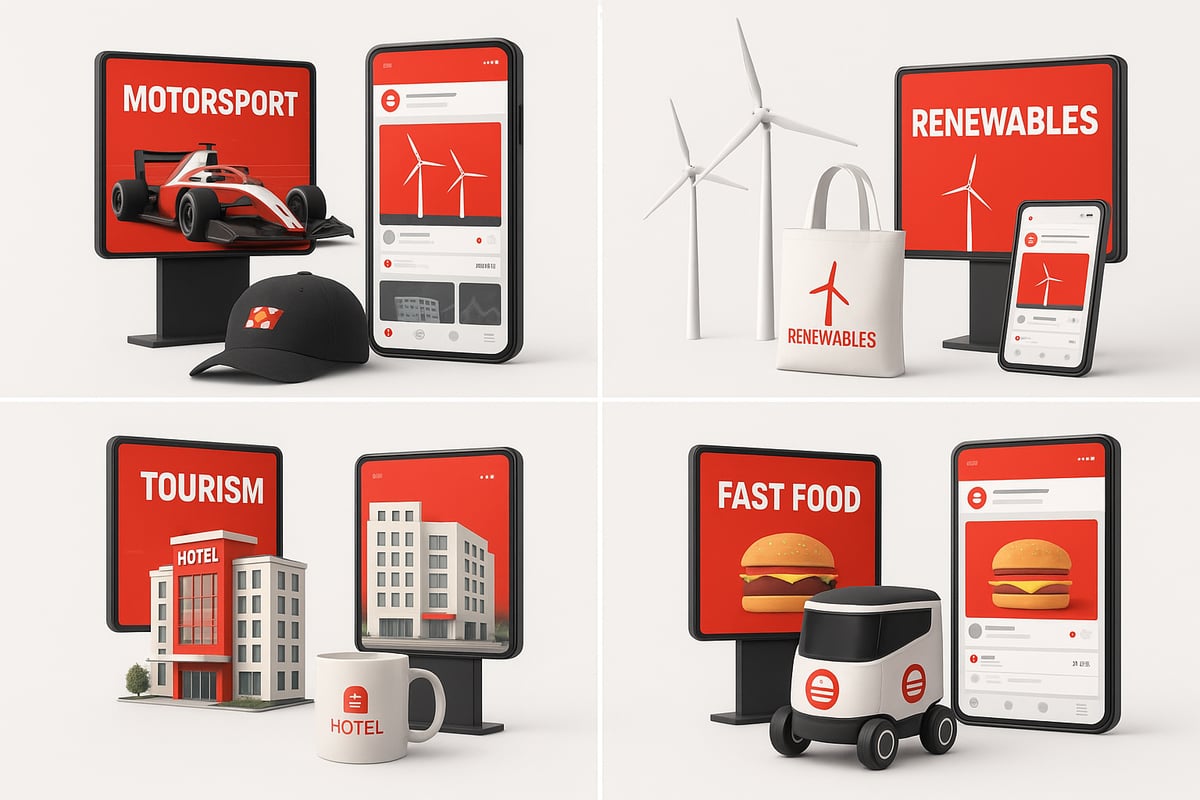
Today’s start up marketing strategies must be tailored to each industry’s unique landscape. What works for a tech start-up may not resonate with hospitality or renewables. Understanding sector-specific challenges and opportunities is key to unlocking growth.
Motorsport Start-Ups
Motorsport start up marketing thrives on high-visibility partnerships and fan engagement. Sponsorships with established teams or events can propel a new brand into the spotlight, offering instant credibility.
Immersive digital experiences, such as virtual pit tours and interactive race-day content, deepen fan loyalty. Social media competitions and behind-the-scenes videos keep audiences invested beyond the track.
To stand out in a crowded field, start ups should focus on storytelling that highlights innovation and passion. Collaborations with influencers and fan communities can amplify reach, while data-driven targeting ensures marketing spend delivers measurable returns.
Renewables and Sustainability-Focused Start-Ups
In the renewables sector, start up marketing must convey purpose and integrity. Consumers expect transparency about environmental impact, so storytelling should centre on real-world results and ethical sourcing.
Navigating complex regulations is essential. Clear, compliant messaging builds trust with both customers and regulators. Start ups can benefit from partnerships with NGOs or industry bodies to bolster credibility.
Educational content, such as webinars or case studies, helps demystify technology and attract eco-conscious investors. Demonstrating commitment to sustainability is not just a differentiator, it is a necessity for long-term growth.
Tourism and Hospitality Start-Ups
Tourism and hospitality start up marketing relies heavily on trust and authenticity. User-generated content, such as guest reviews and travel stories, provides powerful social proof and encourages bookings.
Seasonal campaigns tied to local events or festivals can drive demand during quieter periods. Local SEO is vital for capturing searches from potential guests, especially those seeking unique experiences.
Building relationships with local businesses, tour operators, and influencers can expand reach. Strategic use of visual content, including short-form video and immersive imagery, showcases offerings and sets the experience apart.
Fast Food and Technology Start-Ups
Fast food and technology start up marketing demands speed and creativity. Collaborating with influencers and launching experiential campaigns, such as pop-up tastings or interactive events, generates buzz and customer engagement.
Technology enables seamless journeys, from mobile ordering to AI-powered recommendations. Leveraging social media is essential for rapid feedback and brand amplification. For actionable strategies, see the Social media marketing for startups guide.
Loyalty programmes and referral incentives encourage repeat business, while data analytics helps refine offers and messaging. Combining digital innovation with a personal touch can transform early adopters into loyal advocates.
Future-Proofing Your Start-Up Marketing Strategy
Future-proofing your start up marketing approach is essential in a world where change is constant and competition is fierce. The most successful founders prioritise continuous learning, ensuring their teams are always up to date with the latest marketing technologies and trends.
Regular competitor analysis helps you spot emerging opportunities and threats before they impact your business. By staying informed, you can adapt your start up marketing strategies swiftly and effectively.
Resilience and flexibility are critical qualities for any start up marketing team. Embracing change, learning from setbacks, and remaining agile will ensure your business thrives, no matter how the market evolves.
As you look to put these essential marketing tactics into action for your start up’s 2026 success, it’s important to have a partner who understands your sector and shares your ambition for growth. At Superhub, we combine creative content, targeted digital strategies, and real world experience across industries like motorsport, renewables, tourism, fast food, and technology. If you’re ready to see how tailored campaigns and measurable results can elevate your business, let’s talk about your goals and next steps. You can book a free consultation
to explore how we can work together to drive your start up forward.
Want This Done For You?
SuperHub helps UK brands with video, content, SEO and marketing that actually drives revenue. No vanity metrics. No bullsh*t.