

9 Powerful Organic Search Engine Optimization Company Tips 2026
The world of search is moving faster than ever, with companies facing new digital challenges and opportunities in 2026. Mastering the art of working with an organic search engine optimization company is now essential for ambitious brands determined to grow in a competitive landscape.
In this article, you will discover 9 powerful and practical tips that can transform your SEO strategy. From advanced keyword tactics to AI-driven content, technical SEO, and more, these insights are designed to help you outperform rivals.
Ready to unlock the next level of organic growth? Let’s explore the strategies that matter most this year.
The State of Organic SEO for Companies in 2026
The landscape for any organic search engine optimization company in 2026 is more dynamic than ever. As digital ecosystems evolve, businesses must keep pace with transformative trends to secure visibility and growth. The days of keyword stuffing and simplistic tactics are long gone. Now, success hinges on advanced strategies, adaptability, and a deep understanding of user needs.
Search engines in 2026 are driven by artificial intelligence and machine learning at their core. Algorithms now interpret search intent with remarkable nuance, rewarding content that is relevant, useful, and expertly crafted. As reported in AI's impact on search algorithms in 2026, Google’s 'AI Mode' has changed how results are ranked, prioritising context and semantic connections over mere keyword matches. This shift means every organic search engine optimization company must rethink content planning and technical implementation.
Voice and visual search are no longer niche, but mainstream. With voice assistants embedded in homes, vehicles, and smartphones, conversational queries have surged. Visual tools like Google Lens empower users to search by image, not just text. For companies, this means optimising for natural language and structured data, ensuring content is accessible to both users and machines.
Trust and credibility are now essential pillars for ranking. Google’s emphasis on E-E-A-T—Experience, Expertise, Authoritativeness, Trustworthiness—means that businesses must showcase genuine expertise and build real-world authority. For an organic search engine optimization company, this involves publishing expert-led content, gathering independent reviews, and establishing clear author credentials.
User experience is paramount. Core Web Vitals, measuring site speed, interactivity, and stability, directly influence organic rankings. Companies that invest in faster load times, mobile optimisation, and seamless navigation see tangible gains in both traffic and conversions. The modern user expects instant, reliable access—anything less results in lost opportunities.
Data-driven decision making is at the forefront of successful SEO campaigns. Predictive analytics enable companies to anticipate search trends, optimise content calendars, and allocate resources effectively. By analysing user behaviour and search patterns, an organic search engine optimization company can proactively adjust strategies for maximum impact.
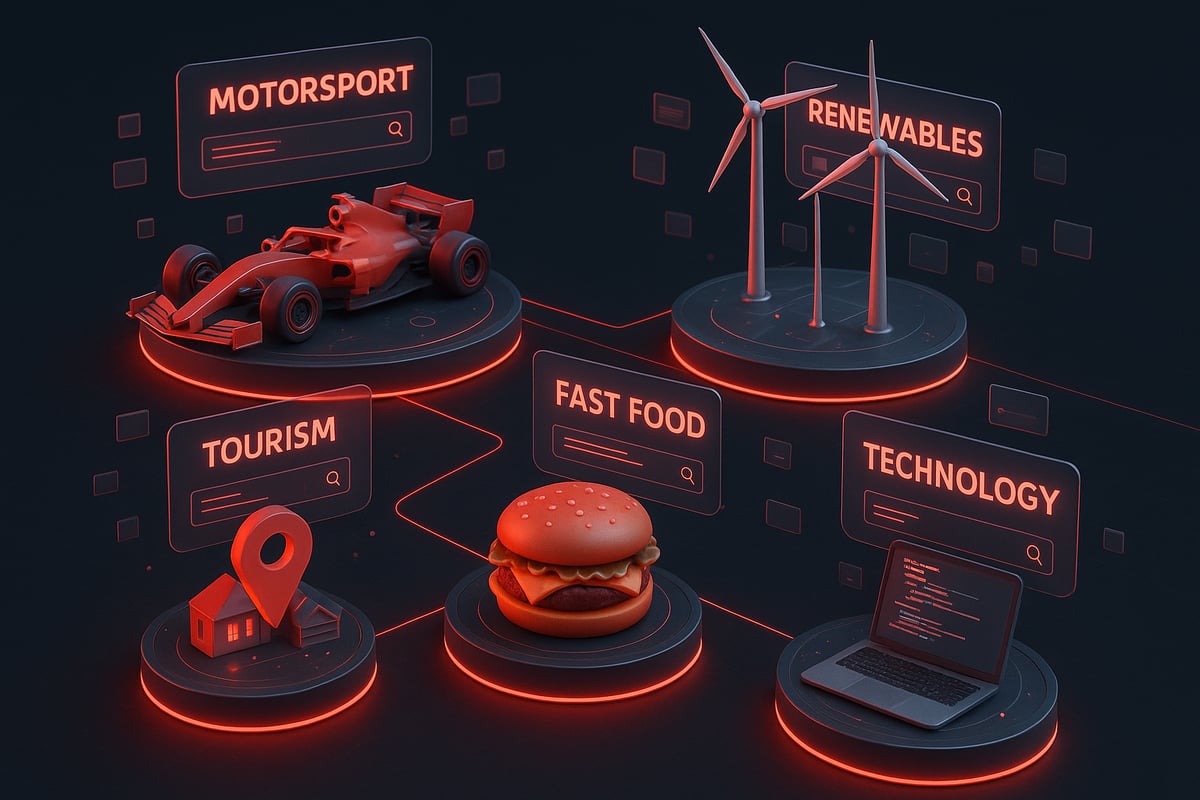
Sector-specific challenges have become more pronounced. Each industry faces unique obstacles and opportunities:
| Sector | Key Challenge | Major Opportunity |
|---|---|---|
| Motorsport | Seasonality and niche audiences | Technical guides, sponsorship content |
| Renewables | Complex regulation, rapid innovation | Thought leadership, educational hubs |
| Tourism | Local competition, shifting demand | Visual content, local SEO |
| Fast Food | High competition, brand saturation | Menu SEO, influencer partnerships |
| Technology | Rapid product cycles, technical jargon | Content hubs, predictive search |
UK companies that embrace these advanced techniques are thriving. Leading brands in tourism and fast food have achieved double-digit organic traffic growth by aligning with user intent, leveraging multimedia content, and prioritising user experience. The future belongs to those who innovate, adapt, and partner with a forward-thinking organic search engine optimization company.
9 Powerful Organic Search Engine Optimization Company Tips 2026
In 2026, the landscape for any organic search engine optimization company is more dynamic than ever. To thrive, companies must adopt cutting-edge strategies, embrace AI, and focus on both users and algorithms. Below are nine essential tips to future-proof your SEO approach and drive measurable growth.
1. [Leverage Advanced Keyword Clustering Techniques]
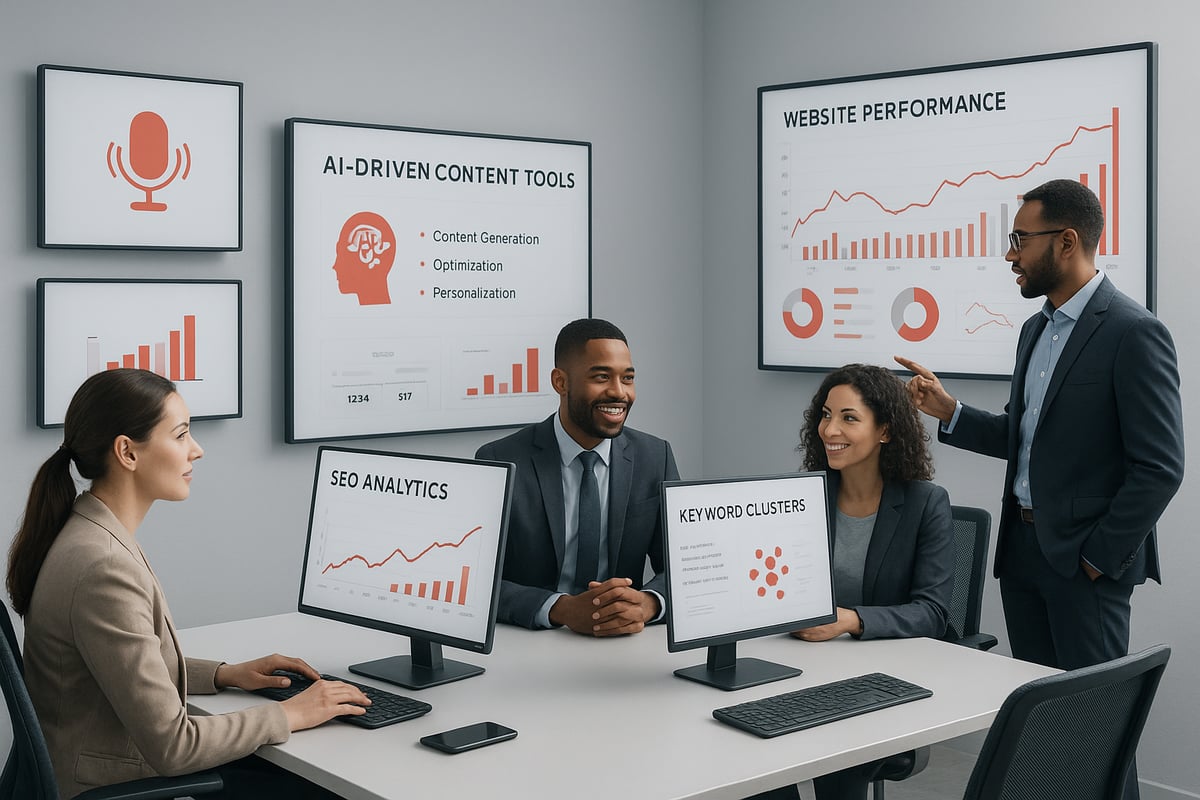
Keyword clustering has evolved into a core tactic for any organic search engine optimization company. By grouping related keywords into thematic clusters, companies can map content to user intent, strengthen topical authority, and streamline site architecture.
In 2026, advanced clustering tools use AI to analyse search intent, identify content gaps, and automate the grouping process. Platforms like SurferSEO and MarketMuse allow an organic search engine optimization company to build robust content hubs that improve both internal linking and user navigation.
For example, a B2B technology firm can structure its site around core topics, with each hub targeting a cluster of semantically related keywords. This boosts relevance in the eyes of search engines, making it easier to rank for complex, long-tail queries.
Motorsport and tourism companies, often targeting niche audiences, benefit by clustering keywords around specialised interests or destinations, driving targeted organic traffic. According to industry data, sites using advanced keyword clustering see up to a 30 percent increase in organic rankings within six months.
A well-implemented keyword clustering strategy sets the foundation for scalable, high-impact SEO results for any organic search engine optimization company.
2. [Optimise for AI-Driven Search Algorithms]
AI-driven algorithms now sit at the heart of every major search engine. For an organic search engine optimization company, understanding how semantic search and intent-based ranking work is essential.
AI analyses user queries for context, not just keywords. This means content must be optimised for natural language, synonyms, and topic relevance. Companies are increasingly adapting their web pages for AI-powered featured snippets and Google's Search Generative Experience (SGE).
A fast food brand, for instance, might use AI tools to monitor trending menu items, then optimise their content to answer voice and text queries about new offerings. Keeping content up to date with the latest algorithmic shifts is critical for sustained visibility.
To stay ahead, an organic search engine optimization company should regularly audit content for freshness, context, and semantic coverage. This approach ensures that content is not only found, but also selected by AI for prominent search features.
3. [Master Technical SEO for Enhanced Crawlability]
Technical SEO is the backbone of any high-performing organic search engine optimization company. In 2026, this means prioritising schema markup, optimised sitemaps, and effective crawl budget management.
Mobile-first and accessibility standards are non-negotiable. As more sites rely on dynamic JavaScript, resolving rendering issues is vital to ensure all content is discoverable. For example, a renewable energy company with a complex site structure needs to ensure that key pages are not blocked by scripts or excessive crawl depth.
Technical SEO errors can have a significant impact on rankings. Research shows that sites with unresolved technical issues see up to a 40 percent drop in organic visibility. To stay on top, regular technical SEO audits are essential. For a detailed guide, see A Guide to Better Technical SEO Audits.
A proactive technical SEO strategy empowers an organic search engine optimization company to maintain site health, improve indexation, and outperform competitors.
4. [Embrace Voice and Visual Search Optimisation]
Voice assistants and visual search tools are transforming how users discover information. For an organic search engine optimization company, adapting to these trends is no longer optional.
Optimising content for spoken queries involves using conversational language, answering direct questions, and implementing structured data for FAQs and products. Visual search requires high-quality images, descriptive alt text, and schema markup for local and product content.
Tourism operators, for example, leverage visual search to help travellers find attractions or accommodations nearby by simply snapping a photo. Statistics show that voice and visual search queries have grown by over 35 percent in the UK during the past year.
To capture these opportunities, companies should review their content for accessibility, image optimisation, and schema implementation. Staying ahead in voice and visual search ensures an organic search engine optimization company remains visible as user habits evolve.
5. [Invest in High-Quality, Authoritative Content]
Content quality is the cornerstone of any successful organic search engine optimization company. In 2026, Google's E-E-A-T principles — Experience, Expertise, Authoritativeness, Trustworthiness — play a pivotal role in ranking decisions.
Building trust requires publishing in-depth, well-researched, and multimedia-rich resources. This might include expert guides, video explainers, and interactive tools. A motorsport company, for instance, could publish technical guides, race analysis, and expert interviews to establish authority.
Data consistently shows a positive correlation between content quality and higher rankings. Companies that invest in authoritative, user-focused content outperform those relying on superficial or outdated material.
An organic search engine optimization company should regularly review and refresh content, ensuring it meets the highest standards for accuracy, depth, and user value.
6. [Prioritise User Experience and Core Web Vitals]
User experience (UX) is a critical ranking factor for any organic search engine optimization company. Core Web Vitals measure site speed, interactivity, and visual stability, directly impacting user retention and conversions.
Optimising for these metrics involves compressing images, minimising code, and streamlining navigation. Mobile UX is especially important, as most searches now occur on smartphones and tablets.
A fast food website that undergoes a UX-focused redesign often sees improved conversions and engagement. Statistics indicate that businesses enhancing their Core Web Vitals experience up to a 25 percent boost in organic traffic.
To stay competitive, companies must routinely audit UX, address technical bottlenecks, and prioritise seamless mobile experiences. This approach not only pleases users but also search engines.
7. [Harness Data Analytics and Predictive SEO]
Data-driven decision making is essential for every organic search engine optimization company in 2026. Modern analytics platforms provide actionable insights into user behaviour, keyword performance, and content gaps.
Predictive SEO takes this further by forecasting trends and search demand before they peak. Technology firms are leading the way, using predictive analytics to plan content calendars and capture emerging opportunities.
Integrating SEO data with broader marketing analytics enables companies to align efforts, measure ROI, and refine strategies. Studies show that companies leveraging predictive analytics outperform competitors by over 20 percent in organic growth.
By embracing analytics and predictive tools, an organic search engine optimization company can anticipate change, allocate resources effectively, and maintain a competitive edge.
8. [Build Strategic, Industry-Relevant Backlinks]
High-quality backlinks remain a cornerstone for any organic search engine optimization company. In 2026, relevance and authority matter more than sheer quantity.
Outreach strategies should focus on niche publications, digital PR, and industry partnerships. Motorsport and renewables companies, for example, can secure links through technical whitepapers, research collaborations, or sponsorship content.
Fast food brands increasingly collaborate with influencers to generate buzz and authoritative backlinks. Data shows that high-quality, industry-relevant backlinks yield greater ranking improvements than generic links.
To maximise impact, companies should audit their backlink profiles, disavow toxic links, and pursue ongoing outreach. Strategic link building enhances authority and drives sustainable organic growth.
9. [Implement Continuous SEO Training and Team Development]
The SEO landscape evolves rapidly, making ongoing training a necessity for any organic search engine optimization company. In-house teams and agencies alike must stay current with best practices, tools, and algorithm updates.
Recommended resources in 2026 include online certifications, interactive workshops, and industry conferences. Fostering a culture of experimentation and learning helps teams adapt quickly and innovate.
A renewable energy company, for instance, might implement a structured SEO training programme to upskill staff and maintain a competitive advantage. Studies show that teams committed to continuous learning consistently outperform those with static skillsets.
Investing in team development ensures that an organic search engine optimization company is equipped to navigate change, drive growth, and deliver exceptional results.
Sector Spotlight: SEO Strategies for Motorsport, Renewables, Tourism, Fast Food, and Technology
In 2026, industry-specific strategies are vital for any organic search engine optimization company aiming to drive real business growth. Each sector faces unique challenges and opportunities, demanding tailored approaches that reflect evolving user intent and digital landscapes.
Motorsport: Building Authority with Sponsorship Content and Technical Guides
For motorsport brands, establishing authority is crucial. An organic search engine optimization company can help by developing expert technical guides, behind-the-scenes content, and sponsorship stories that resonate with enthusiasts.
These strategies enhance E-E-A-T and attract both fans and industry partners. Leveraging insights from SEO for the Automotive Industry ensures content is optimised for competitive keywords and technical queries. Motorsport firms that publish in-depth resources and showcase industry partnerships see measurable gains in rankings and engagement.
Renewables: Educational Content and Thought Leadership
The renewables sector thrives on trust and credibility. Here, an organic search engine optimization company should prioritise educational resources, case studies, and thought leadership articles.
Providing clear, accessible explanations of complex technologies builds authority and improves site visibility. Collaborating with recognised experts and publishing multimedia content—videos, infographics, and whitepapers—supports higher rankings and customer trust. Companies investing in this strategy often achieve significant increases in organic traffic and stakeholder engagement.
Tourism: Local SEO, Visual Content, and Seasonal Strategies
Tourism businesses must capture attention at the right moment. An organic search engine optimization company will focus on local SEO, optimising Google Business Profiles, and creating visually rich landing pages for key destinations.
Integrating Local SEO Services for Business Growth helps attract nearby travellers and boosts visibility in maps and local packs. Leveraging seasonal keyword trends and user-generated content ensures the brand remains relevant year-round, supporting steady traffic growth.
Fast Food: Menu Optimisation, Local Search, and Mobile-First Experiences
The fast food industry demands speed, both online and offline. An organic search engine optimization company can drive results by optimising menu pages for trending searches, implementing structured data for locations, and enhancing mobile usability.
Local SEO strategies ensure customers find outlets quickly, while mobile-first design streamlines ordering and increases conversions. Brands that embrace these tactics often outperform competitors in local search and see a marked uplift in digital orders.
Technology: Content Hubs, Product Schema, and Predictive Search Trends
Technology companies compete in a fast-evolving landscape. The key for any organic search engine optimization company is to create structured content hubs, implement detailed product schema, and use predictive analytics to anticipate emerging search trends.
Publishing comprehensive guides and updating content regularly keeps brands at the forefront of search results. Businesses that invest in these advanced strategies consistently outperform peers in both traffic and lead generation.
UK Sector Organic Traffic Growth Table
| Sector | 2025 Growth (%) | 2026 Projected (%) |
|---|---|---|
| Motorsport | 15 | 18 |
| Renewables | 22 | 25 |
| Tourism | 19 | 21 |
| Fast Food | 13 | 16 |
| Technology | 24 | 28 |
Each sector presents distinct opportunities for growth. By partnering with an expert organic search engine optimization company, businesses can unlock their full potential in the rapidly changing UK market.
Future-Proofing Your SEO Company Strategy for 2026 and Beyond
Staying ahead in the digital landscape means your organic search engine optimization company must embrace agility and continuous innovation. The pace of change in search is accelerating, with new technologies and shifting user behaviours redefining the rules almost overnight.
One key to future-proofing your strategy is proactive monitoring of search algorithm updates and industry trends. According to Gartner predicts 25% drop in search engine volume by 2026, traditional search engine usage is set to decline as AI chatbots and virtual agents become more prominent. This shift demands that companies adapt their approach, focusing on optimising for new platforms and answer engines as well as classic search.
Investing in emerging technologies such as artificial intelligence, augmented reality, and advanced automation tools is now essential. These innovations can streamline workflows, enhance prediction, and unlock new opportunities for visibility in evolving search environments.
Building cross-functional teams is equally important. By bringing together content creators, technical specialists, and data analysts, your company can respond holistically to rapid changes. This collaborative approach ensures your organic search engine optimization company remains resilient and competitive.
Finally, prepare for the next wave of search innovation by fostering a culture of learning and flexibility. Prioritise experimentation, keep an eye on upcoming trends, and ensure your team is always ready to pivot. The companies that thrive in 2026 will be those that anticipate change, not just react to it.
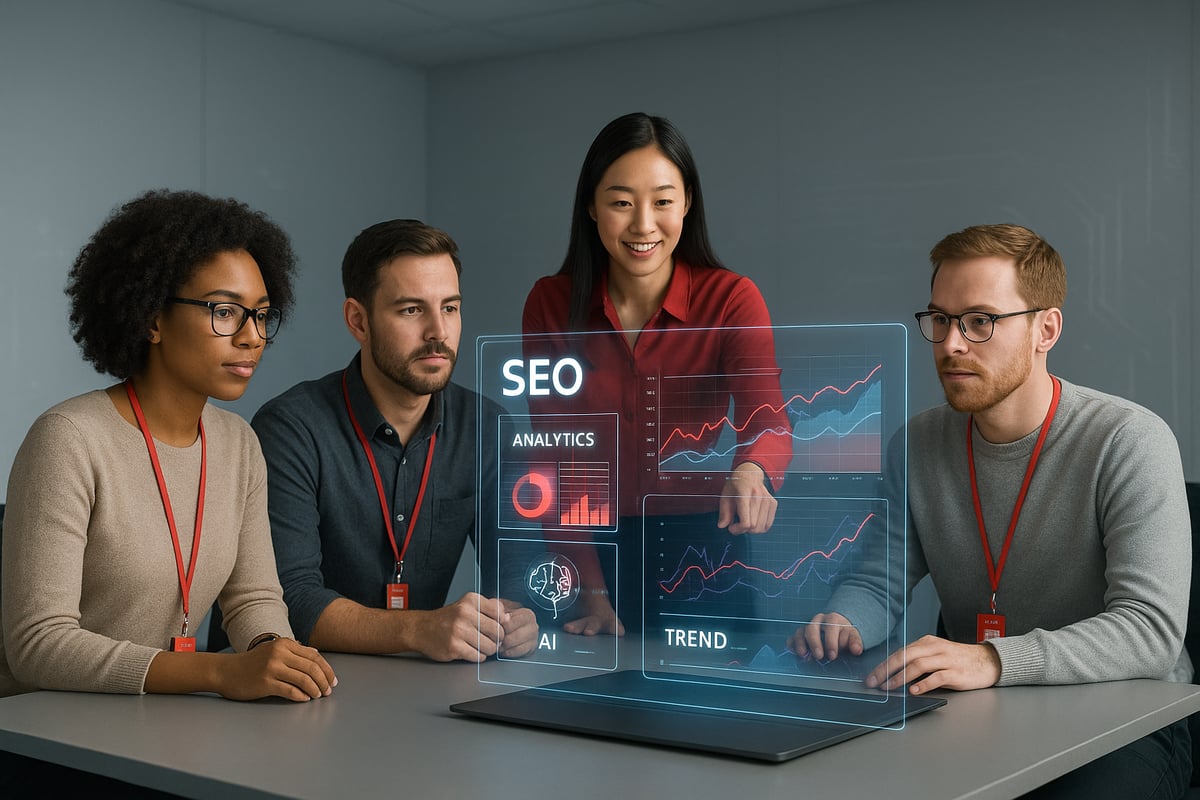
As you've seen, staying ahead in the ever changing world of organic SEO requires more than just the basics—it’s about using advanced strategies, like keyword clustering, AI driven content, and technical SEO, tailored to your industry. Whether you’re in motorsport, renewables, tourism, fast food or technology, a results focused approach can make all the difference for your business growth. If you’re ready to take the next step and get personalised advice on how these tactics can benefit your company, I invite you to book a free consultation
with our team at Superhub.
Want This Done For You?
SuperHub helps UK brands with video, content, SEO and marketing that actually drives revenue. No vanity metrics. No bullsh*t.