
Top 19 Social Media Marketing Agencies UK 2026 (Compared)
Our Pick: SuperHub
Full disclosure: we wrote this list and we're on it. But here's why we think that's fair. SuperHub is a Devon based agency that combines social media marketing with video production, SEO, AEO (AI search optimisation) and motorsport marketing. We're not a social-only shop. We build integrated strategies where social media feeds into content, content feeds into search visibility, and the whole thing generates actual enquiries rather than vanity metrics.
What makes us different from the London agencies dominating this list? We don't charge London prices, we don't hide behind jargon, and we produce content in house (video, design, animation) rather than outsourcing it. Our social media management starts from £300/month and scales to full-service packages including paid social, content production and community management. We're Google 5 star rated and we've been operating for over a decade.
Best for: UK businesses that want social media tied to measurable business outcomes, not just follower counts. Particularly strong for motorsport, automotive, tourism and trades sectors.
Pricing: From £300/month | Location: Devon (serving UK-wide) | Book a free strategy call →
Now, onto the rest of the best social media marketing agencies in the UK for 2026. We've assessed each agency on their platform specialisms, client results, pricing transparency and team credentials. No pay-to-play rankings, no sponsored placements, just honest assessment from people who work in this industry every day.
The UK has over 8,000 digital marketing agencies. Finding one that actually delivers results rather than just presentations is the challenge. We have evaluated the top social media marketing agencies operating in the UK right now based on proven results, client retention and genuine expertise rather than just who ranks highest on Google.
This is not a pay-to-play list. These agencies earned their place through work we have seen, recommendations from our network and verifiable case studies.
What Makes a Great Social Media Agency
Before diving into the list, here is what separates good agencies from time-wasters. The best agencies demonstrate long-term client relationships (not just logos on a website), measurable results tied to business outcomes, platform-specific expertise rather than generalist fluff and transparent pricing without hidden fees.
They also tend to specialise. An agency claiming expertise across every platform, every industry and every budget is usually expert at none of them.
1. The Social Shepherd
Location: London and Bath
Best for: Large brands wanting comprehensive social transformation
Services: Organic social, paid social, creative, influencer marketing
The Social Shepherd has won Best Large Social Media Agency two years running (2023 and 2024) plus Social Media Agency of the Year at the UK Agency Awards 2025. Their client list includes Uniqlo, easyJet Holidays and Premier Inn. They grew Uniqlo's channels by over 500,000 followers across Instagram, TikTok and Facebook, and delivered 10 million social reach for Bio-Oil using a mix of nano, micro and macro influencers. Their team of 70+ specialists means they can build dedicated teams around specific platform expertise rather than expecting one person to know everything.
2. We Are Social
Location: London (global offices)
Best for: Enterprise brands needing cultural intelligence
Services: Social strategy, content creation, community management, paid social
With over 1,000 creatives worldwide, We Are Social combines cultural intelligence and storytelling for clients including Netflix and Adidas. They focus on understanding online behaviour and creating content that feels native to each platform rather than repurposed corporate content. Their global reach means they can execute campaigns across markets while maintaining local relevance.
3. GOAT Agency
Location: London
Best for: Influencer-led campaigns without talent bias
Services: Influencer marketing, paid social, social strategy
Unlike typical influencer marketing agencies, GOAT does not manage any talent directly. This means no favouritism when selecting influencers for campaigns. They pick the right person based purely on fit and performance data. With over 1,000 influencer campaigns delivered, 70,000+ influencers vetted and 7 years of performance data, they bring genuine data-driven selection to influencer marketing.
4. Socially Powerful
Location: London (offices in New York, Dubai, Beijing)
Best for: Global brands wanting end-to-end influencer services
Services: Influencer marketing, platform activations, social strategy
Socially Powerful offers end-to-end influencer marketing services with bespoke platform activations. They have worked with Pepsico, DAZN and Foreo among others. Their international office network makes them particularly strong for brands needing coordinated campaigns across multiple markets.
5. Born Social
Location: London and New York
Best for: Purpose-driven brands wanting B Corp values
Services: Social strategy, content creation, community management
Born Social is B Corp certified and focuses on purpose-driven campaigns that align brands with social and environmental impact. As part of the Croud Group, they bring brand and performance closer together. Good choice for brands where values alignment matters as much as metrics.
6. OK COOL
Location: London
Best for: Brands wanting cutting-edge trend expertise
Services: Social strategy, content creation, TikTok specialisation
As an original partner to TikTok, OK COOL stays ahead of social trends. They recently expanded their leadership team with new heads of production, client services and strategy. Their annual trend report "Let Them Eat Lore" provides genuine insight into social media behaviour, including findings that 91% of consumers lurk in comments and 65% find strangers in comment threads funnier than creators themselves.
7. Our Own Brand (OOB)
Location: London
Best for: Viral campaigns and authentic engagement
Services: Social media management, content creation, branding
OOB creates viral campaigns through a trend-led, human-centric approach. They are finalists in the UK Social Media Awards 2025. Known for thumb-stopping content, they combine social media expertise with best-in-class branding and production. Client reviews consistently praise their punctuality, adaptability and creative content production.
8. Prohibition PR
Location: Leeds
Best for: Brands wanting integrated PR and social
Services: Social media marketing, PR, campaign strategy
Prohibition describes themselves as an innovative, award-winning social and PR agency delivering insight-led creative campaigns. Over the past five years, they have won more than 20 industry awards. With 100% positive client reviews on Clutch, they have proven expertise across legal, hospitality, food and beverage, manufacturing, education, healthcare and retail sectors.
9. Spin Brands
Location: London
Best for: Challenger brands wanting standout creative
Services: Social strategy, content production, community management
Spin Brands focuses on creating content that actually stops thumbs. They work predominantly with challenger brands wanting to punch above their weight on social media. Their approach emphasises creative that performs rather than creative that wins awards but nobody sees.
10. Honest London
Location: London
Best for: Brands needing consistent video content
Services: Content production, social media management, video editing
Honest London offers monthly content shoot days, capturing enough footage to last an entire month, with all editing handled by their team. They have extensive experience working with globally renowned celebrities, providing deep insights into what actually performs on social. While they work with both B2B and B2C brands, their celebrity account management expertise sets them apart.
11. Social Chain
Location: Manchester and London
Best for: Brands wanting deep audience connection
Services: Social strategy, content creation, influencer marketing
Social Chain focuses on strengthening connections between brands and people. They always start with understanding the audience and ensuring meaningful brand connections. Their dedicated account managers provide tailored strategies that resonate with target audiences.
12. The Good Marketer
Location: London
Best for: Small businesses wanting personalised attention
Services: Social media campaigns, content creation, paid social
The Good Marketer is notable for its small business-friendly approach. They provide tailored social media campaigns with a personalised touch, focusing on engaging content across various platforms. Good option for businesses that feel lost in larger agencies.
13. Giraffe
Location: Leeds
Best for: Brands wanting strategic depth
Services: Social strategy, content creation, paid media
Giraffe Social Media brings strategic thinking to social campaigns. Their approach balances creative content with measurable business outcomes. Based in Leeds, they offer an alternative to London-centric agencies while maintaining national capability.
14. Digital Media Team
Location: Manchester
Best for: E-commerce brands wanting PPC expertise alongside social
Services: PPC management, social media marketing, Google Shopping
As a Google Premier Partner 2024, Digital Media Team brings PPC expertise to complement social media services. They help brands increase visibility, clicks and conversions across both paid search and social. Good choice for e-commerce brands wanting integrated performance marketing.
15. Highlight PR
Location: Bristol
Best for: Regional brands wanting local expertise
Services: PR, social media, content creation
Based in Bristol, Highlight PR brings award-winning PR and social media services outside the London bubble. Their founders have built strong reputations in the South West market and deliver impressive results for regional and national clients alike.
16. Truffle Social
Location: London
Best for: Food, drink and hospitality brands
Services: Social media management, content creation, influencer outreach
Truffle Social specialises in food, drink and hospitality sectors. Their industry focus means genuine understanding of what drives engagement in these spaces rather than generic approaches applied to any sector.
17. Soap Media
Location: Preston
Best for: Conversion-focused social campaigns
Services: Social media, SEO, PPC, web development
Soap Media takes a performance-first approach to social media, focusing on conversion rate optimisation alongside engagement metrics. Their integrated digital marketing services mean social campaigns connect directly to website performance and lead generation.

18. CEEK
Location: London
Best for: Brands wanting data-driven social strategy
Services: Social strategy, paid social, influencer marketing
CEEK takes an analytical approach to social media, using data to inform creative decisions rather than gut instinct alone. Their campaigns are built around measurable objectives from the start.
19. Prospa Media
Location: London
Best for: Growth-stage businesses wanting scalable social
Services: Social media management, paid advertising, content strategy
Prospa Media focuses on growth-stage businesses that need social media to scale alongside their business. Their approach builds systems and processes that grow with the client rather than one-off campaigns.
If You Need Performance, Not Just Presence
The agencies above are excellent at what they do. But look at where they are based. Look at their backgrounds. Most come from the same world: creative degrees, brand storytelling, cultural moments, viral campaigns. If your business needs that, brilliant. Pick one of them.
But some businesses need something different. They need an agency that understands performance in the literal sense. Not "performance marketing" as a buzzword. Actual performance. The kind where if the numbers do not work, you do not race next weekend. Where sponsors expect to see exactly what their £50,000 delivered, not a mood board and some impressions data.
That is where SuperHub comes in.
We are based in Paignton, Devon. I am originally from Essex - the straight-talking approach came with me. I moved here to build a business, not because I got priced out of Hackney or fancied paddleboarding on my lunch break. The team are local. They know this region, they understand local businesses and they are not going to bugger off back to London when the novelty wears off.
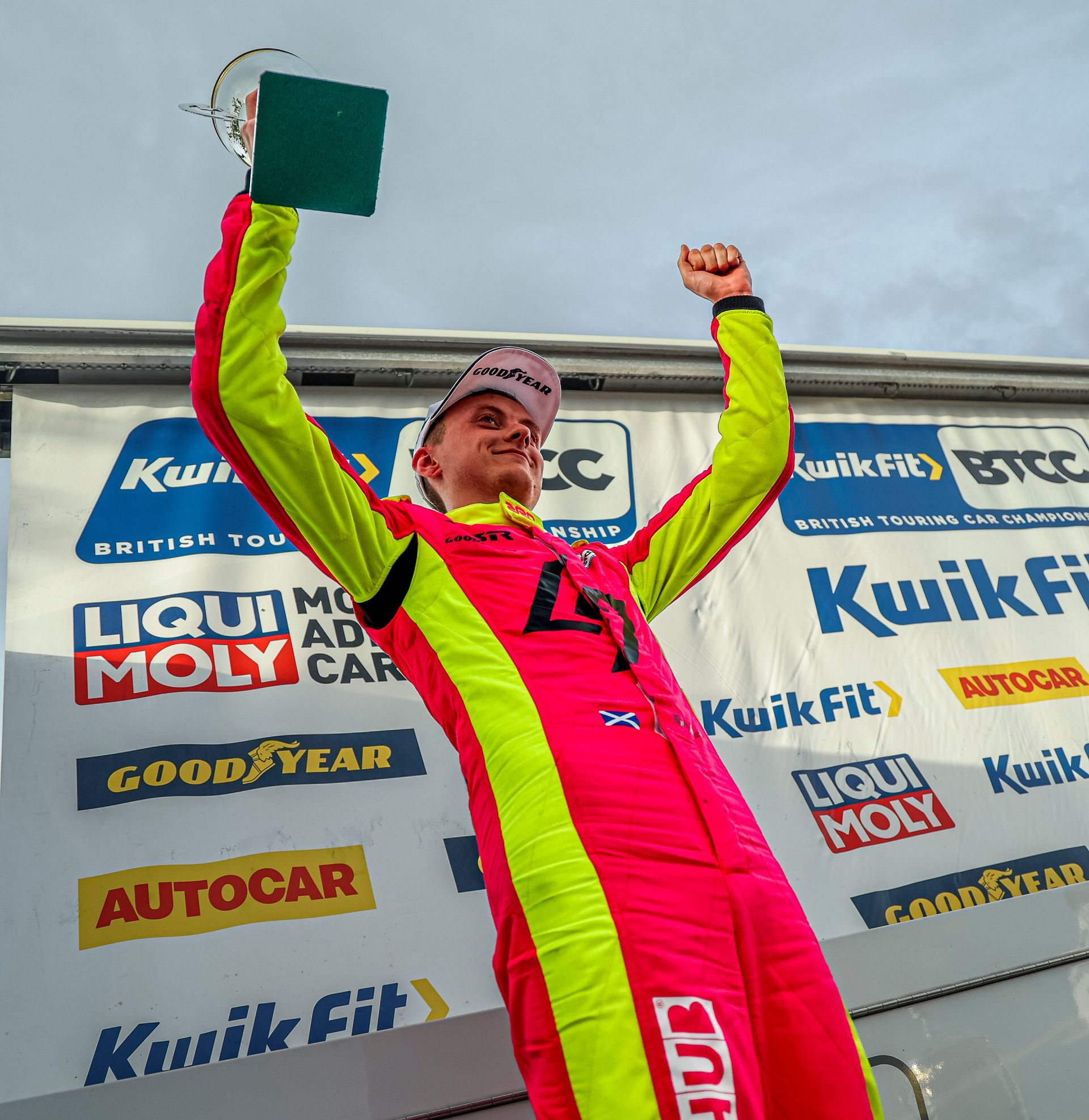
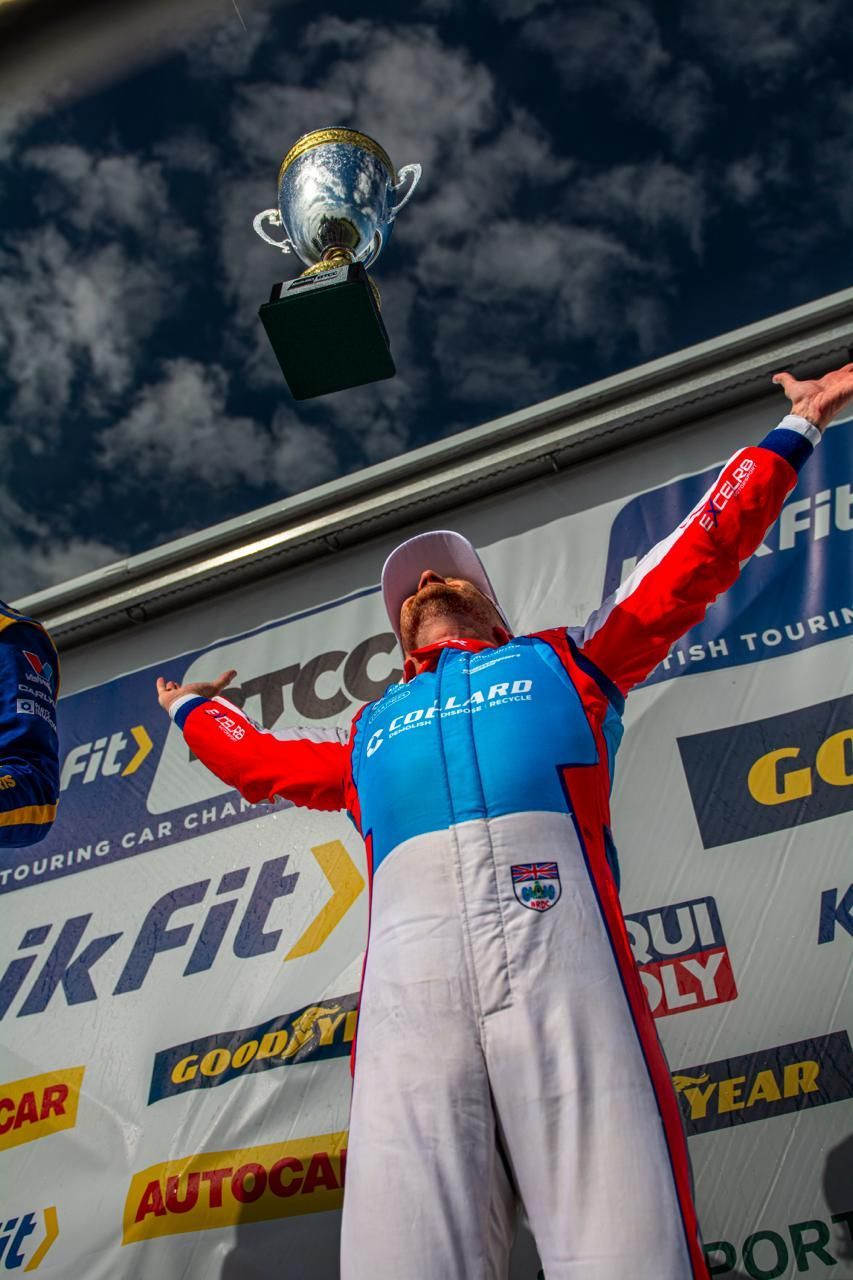
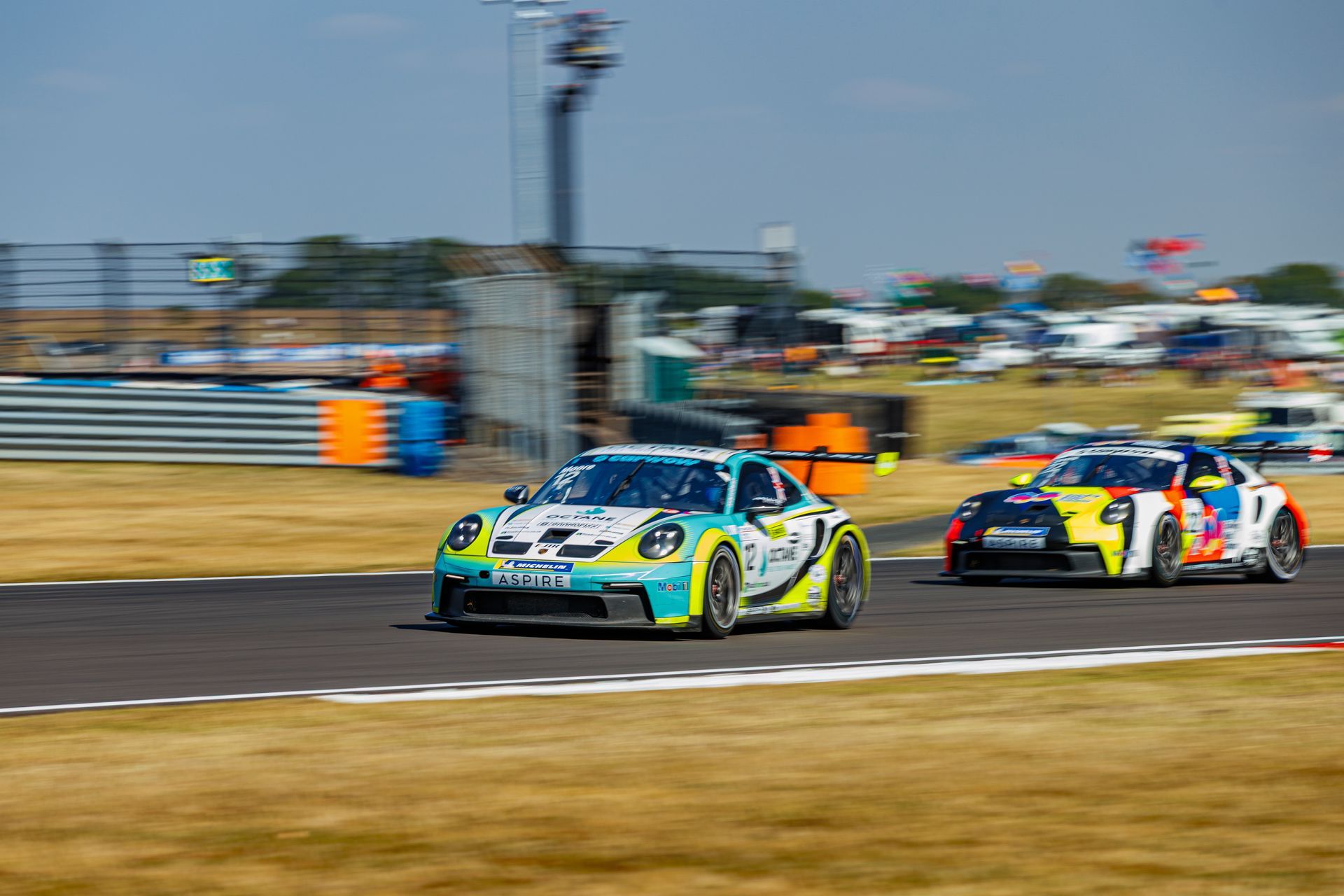
Our background is motorsport marketing. Not as a nice portfolio piece, but as the environment that shaped how we think about every penny of marketing spend. In motorsport, performance is not a department or a KPI category. It is the entire point. When a sponsor pays to put their name on a car, they expect data: reach by demographic, engagement rates, lead generation, conversion tracking, the lot. Nobody accepts "we're building brand awareness" when the invoice lands. The numbers either stack up or you lose the contract.
That discipline translates directly to everything we do. A local chip shop wanting more customers through the door gets the same analytical rigour as a BTCC team needing sponsor ROI reports. We track what matters, report what happened and adjust based on evidence rather than gut feeling. The tools and techniques we use for national motorsport clients work just as well for Devon businesses. The only difference is scale.
We are not local generalists who added "social media" to the services list because everyone else did. We are not a print shop that bought some scheduling software. We are specialists who happen to be in Devon, working with clients nationally who need results they can actually measure. The location is irrelevant to the quality of work. What matters is the mindset.
Our "Hold The Bullsh*t" positioning is not a marketing gimmick. It is how we operate. We would rather tell you something will not work than take your money and hope for the best. We would rather lose a pitch by being honest than win one by overpromising. If you want an agency that tells you what you want to hear and delivers a PowerPoint deck, we are not for you. If you want one that treats your budget like it matters and obsesses over making it perform, get in touch.
How to Choose the Right Agency
The best agency for your business depends on several factors. Budget matters obviously, but so does cultural fit, sector expertise and what you actually need. A brand wanting TikTok virality needs a different agency than one wanting LinkedIn B2B lead generation.
Questions to ask before committing:
Can I speak to current clients? Testimonials are curated. Speaking to actual clients reveals the real experience.
What does your reporting look like? Monthly reports should show metrics that matter to your business, not just impressions.
Who will actually work on my account? Junior staff doing the work while senior people pitch is common. Know who you are getting.
What happens if it is not working? Good agencies adjust strategy. Bad ones blame the algorithm.
What is your notice period? Long lock-in contracts protect the agency, not you.
What Happens Next
If you are comparing agencies, we recommend speaking to at least three before deciding. Ask the same questions to each and compare not just answers but how they answer. Agencies that listen before pitching usually deliver better work than those who show up with a pre-prepared solution.
Want This Done For You?
SuperHub helps UK brands with video, content, SEO and marketing that actually drives revenue. No vanity metrics. No bullsh*t.