
Sport Sponsorship UK 2026: How to Stop Being Shite at Getting Funded
So here's the thing about sport sponsorship that nobody tells you upfront: most athletes are absolutely shite at it. They approach brands like they're asking for pocket money from a reluctant parent, all apologetic and grateful for any scraps thrown their way, and then wonder why they end up with a free t-shirt and a 10% discount code instead of actual funding.
I've spent years working with racing drivers, Hyrox athletes and various other sports people who need money to compete, and the pattern is always the same. They assume the sponsor is doing them a favour. They undersell what they offer. They send the same generic email to 200 companies and get upset when nobody replies. Then they tell everyone that sponsorship doesn't work anymore.
It does work. You're just doing it wrong.
Sponsorship is Not Advertising (and This Matters More Than You Think)
Right, so the first thing you need to get your head around is that sponsorship and advertising are completely different animals. Advertising is transactional. A company pays money, they get impressions or clicks or sales, and everyone measures everything in spreadsheets and argues about attribution models. It's clinical, it's measurable, and frankly it's a bit soulless.
Sponsorship is relational. And I know that sounds like corporate waffle but bear with me because this distinction changes everything about how you approach brands. When a company sponsors you, they're not buying ad space. They're buying association. They want the things that sport represents, you know, dedication and excellence and all that inspirational stuff, to rub off on their brand. They want their clients to think they're the type of company that supports proper athletes rather than just running Facebook ads.
The measurement is different, the timelines are longer, and the relationship matters more than the numbers. Which means your pitch needs to be completely different from selling advertising. You're not offering impressions. You're offering credibility by association.
The Sponsorship Landscape Has Changed (Mostly for the Better)
The funny thing is, sponsorship has actually got easier to secure in some ways. Social media has democratised the whole thing. You used to need to be winning championships or have TV coverage or know the right people. Now? An athlete with 5,000 engaged followers can be worth more to certain brands than a champion with 50,000 followers who never posts anything interesting.
Look at what's happening with Hyrox. Puma has committed to a partnership through 2030, right, they've got over 60 athletes on their roster including world champions like Hunter McIntyre and Linda Meier. The 2024-25 season pulled in 650,000 participants across 74 events and by 2026 they're expecting 1.3 million participants. Brands like MyProtein and Amazfit and even BYD the car company are piling in because the audience is growing fast and there's less competition for visibility than in established sports.
This is the pattern. Emerging sports attract emerging brands. If you're trying to break into motorsport sponsorship, you're competing against decades of established relationships and expectations. If you're one of the first serious Hyrox athletes in your region with a decent social media presence? You're basically writing your own ticket.
The other thing that's changed is tax awareness. In the UK, motorsport sponsorship is typically 100% tax deductible as a marketing expense when structured properly. A company paying 25% corporation tax? That £10,000 sponsorship actually costs them £7,500 after relief. Brands are increasingly aware of this and it makes the conversation much easier when you can talk about effective cost rather than headline figures.

Understanding What Sponsors Actually Want (It's Probably Not What You Think)
So here's where most athletes go completely wrong. They assume every sponsor wants the same thing: logo visibility and brand awareness. Put my name on your car, put my logo on your kit, job done.
Some do want that. But there's a whole range of motivations and if you don't understand which one applies to your prospect, your pitch will miss completely.
Brand awareness. Yes, some companies just want eyeballs. They want their name in front of your audience repeatedly until people remember it. This works when your audience matches their target customer. A protein brand sponsoring a Hyrox athlete makes sense. A protein brand sponsoring a darts player makes less sense, unless that darts player has somehow built a fitness-focused audience which would be quite the achievement.
Brand association. This is the big one that people miss. Some companies don't care about your follower count. They care about what association with sport does for their image. A financial services company or a law firm or a tech business? They're not inherently exciting, are they. But stick their name on a racing car and suddenly they're dynamic and ambitious and exciting by association. The sport does the heavy lifting that their marketing can't.
Customer entertainment. Now this is where the money really is for motorsport especially. B2B companies sponsor racing teams specifically so they can bring clients to events. The hospitality matters more than the logo. Track days, garage access, meeting the driver, corporate entertainment that their clients will actually remember. I've seen sponsors who couldn't care less about TV exposure but will pay premium rates for the right hospitality package.
Employee engagement. Some companies sponsor sport to give their staff something to rally around. Internal pride in supporting a team or athlete. Something for the company newsletter. Team building days at events. It sounds soft but for the right company it's worth more than external exposure.
Product validation. Technical sponsors want credible athlete endorsement and genuine feedback. A nutrition company sponsoring a Hyrox athlete who actually uses their products and talks about them authentically? That's worth more than any amount of paid advertising. They care less about reach and more about the authenticity of the association.
The thing is, a hospitality pitch to a company that wants brand awareness will fail. A brand awareness pitch to a company that wants customer entertainment will fail. You need to figure out what each prospect actually wants before you approach them. Research matters.
What Are You Actually Worth? (Be Honest With Yourself)
Right, this is the uncomfortable bit. Before you approach anyone, you need to honestly assess what you're offering. Not what you think you're worth. Not what you'd like to be worth. What you can actually deliver.
Audience size and engagement. How many followers? More importantly, do they actually engage? An athlete with 2,000 followers who comment and share and actually give a shit is worth more than one with 20,000 followers who scroll past everything. If you've bought followers at any point, and you know who you are, that's going to become very obvious very quickly when a sponsor looks at your engagement rates.
Audience demographics. Who are these people following you? Age, location, interests, spending power. A motorsport driver with followers interested in performance cars is valuable to different brands than a Hyrox athlete with followers interested in functional fitness. You need to know this stuff, not guess it.
Content quality. What does your Instagram actually look like? Professional photos and videos? Or blurry phone shots and the same three poses? Your content quality signals what kind of partner you'll be. If you can't be arsed to make decent content for yourself, why would a sponsor trust you to make decent content for them?
Competition results. Yes, results matter, but probably not as much as you think. You don't need to be winning championships. What you need is consistent improvement and genuine commitment. A mid-pack amateur with a brilliant story and engaged audience can be more sponsorable than a champion with the personality of a damp cloth.
Existing partnerships. Here's the annoying catch-22 of sponsorship: having sponsors makes it easier to get sponsors. Every brand that's trusted you with their money validates you for the next one. Which means starting from zero is hard. But it's not impossible.
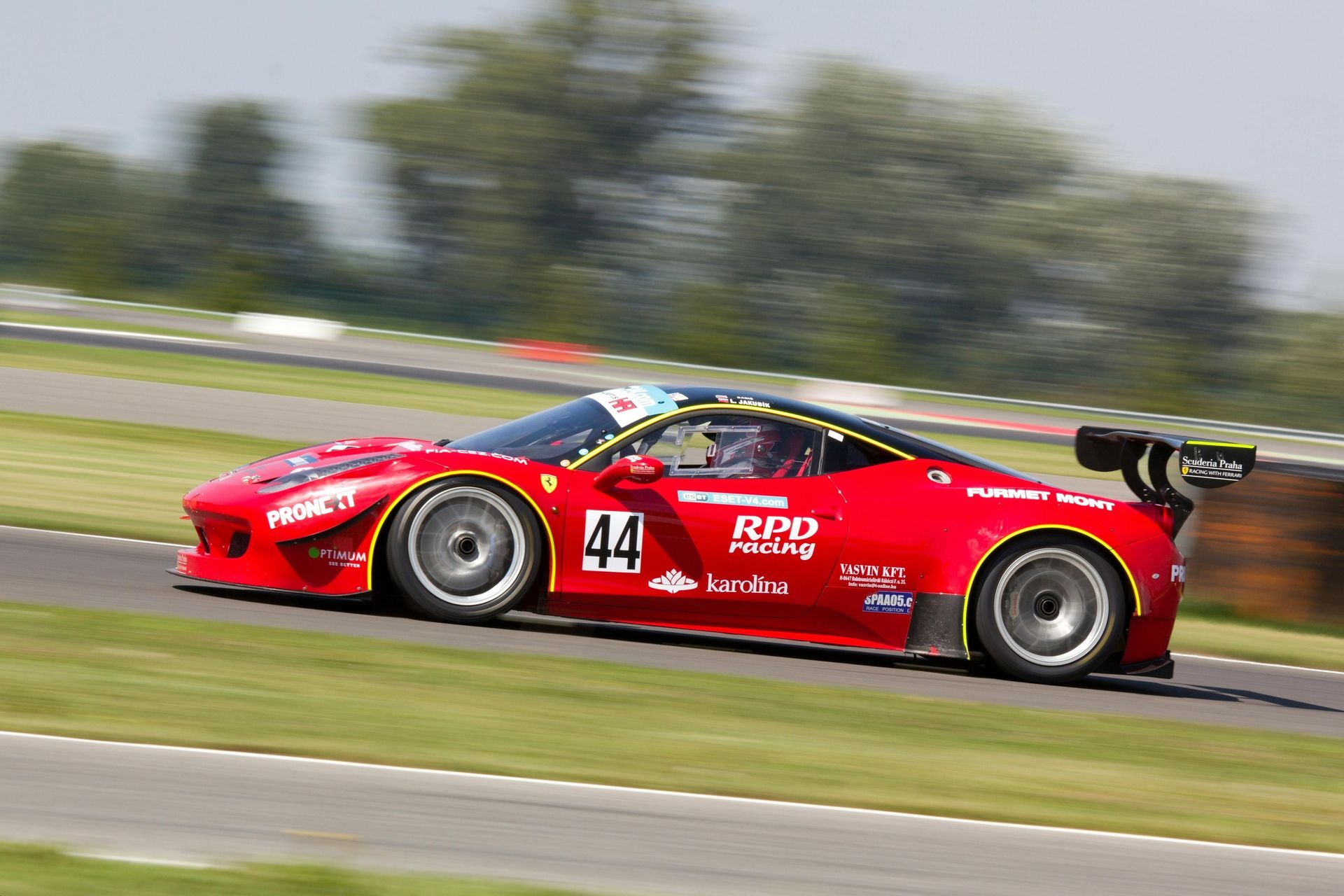
Motorsport Specifics (Because I Know This World)
I've worked in motorsport marketing for years so let me give you the specifics for this space.
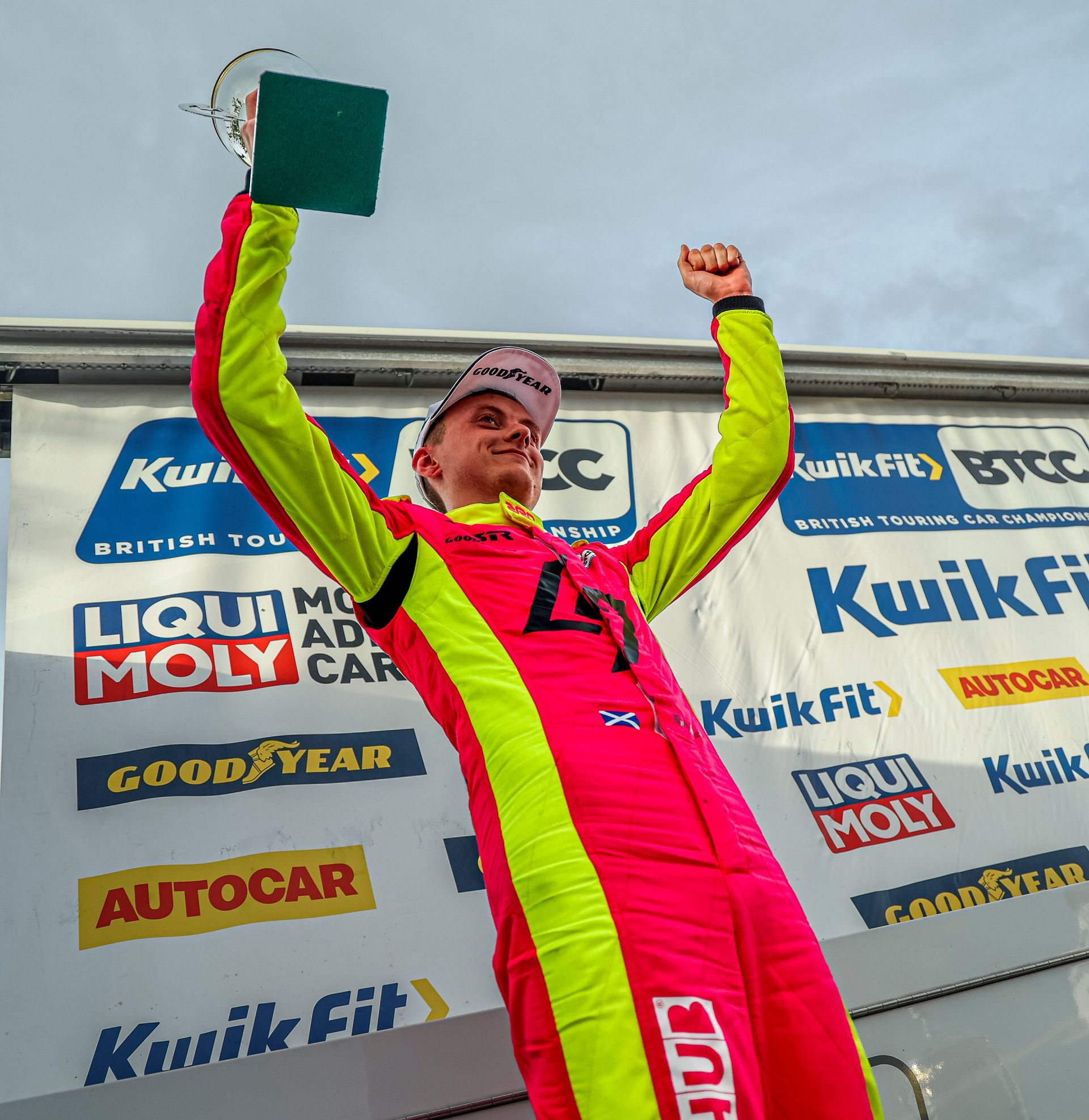
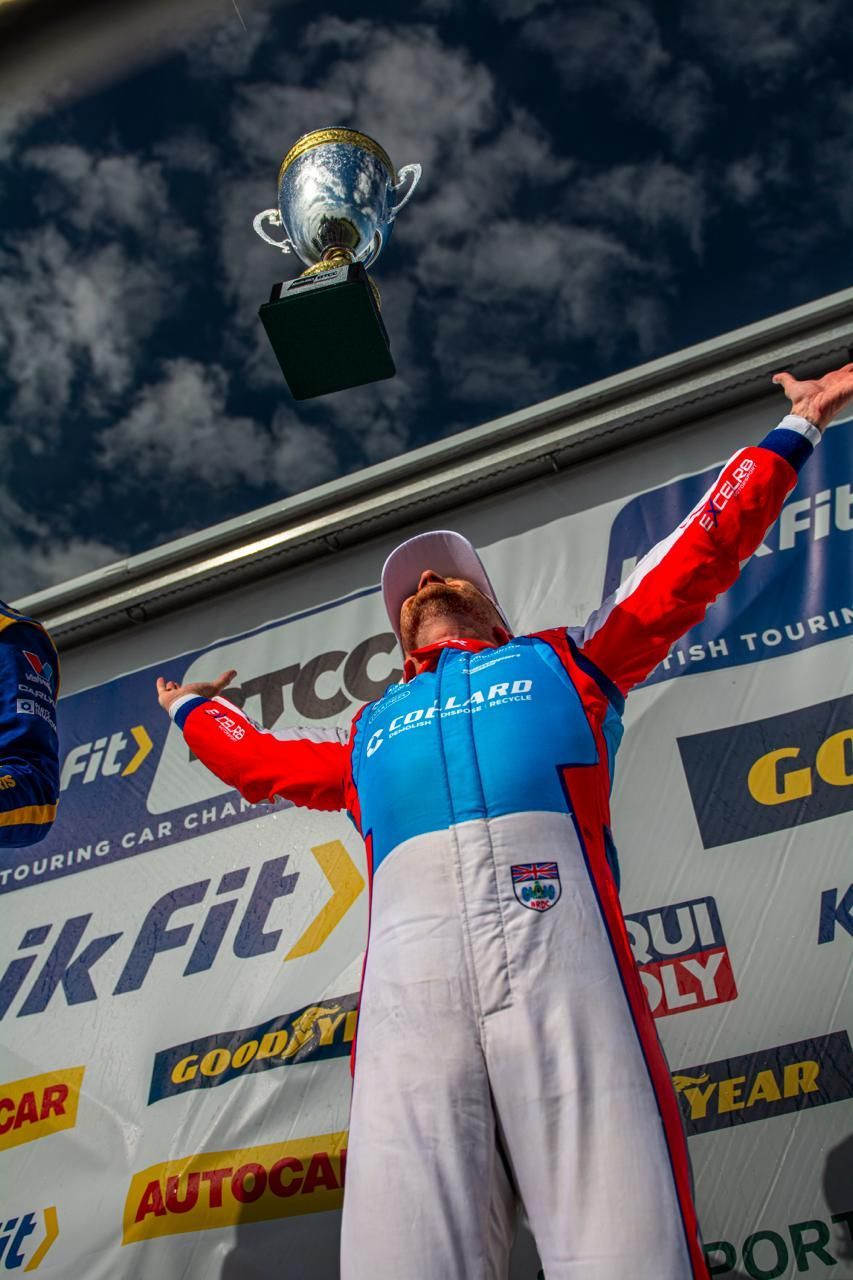
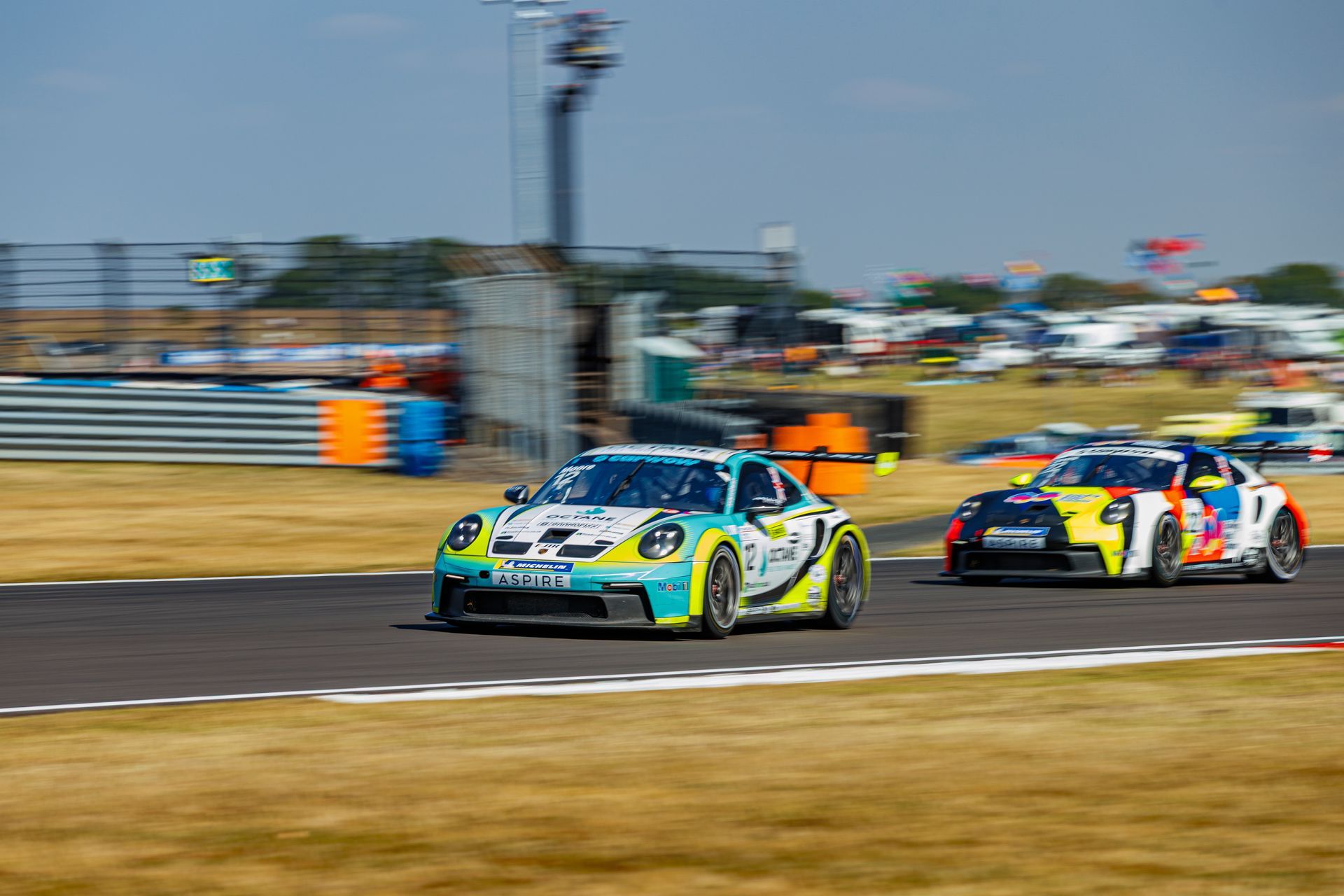
Series selection matters more than you think. BTCC gets television coverage and the hospitality is fantastic and the exposure is genuine. Club racing gets none of that but it's also a lot cheaper and you're not competing against professional teams with existing sponsor relationships. GT championships attract a different type of brand than single-seaters. Choose your series based partly on where your potential sponsors operate, not just where you want to race.
Television coverage is premium. Series with TV deals command higher sponsorship values because of guaranteed broadcast exposure. That's just how it works. If you're racing in a series that gets coverage on ITV4 or wherever, you can charge more. If you're not, you need to compensate with other value.
Team versus driver sponsorship. Some brands prefer team partnerships because they get broader exposure, multiple cars, established infrastructure. Others want individual driver relationships because the storytelling is more personal and engaging. You need to understand which approach suits each prospect and frankly you need to be flexible.
Hospitality is where the real money is. I'll say it again because it's that important. For B2B sponsors especially, the track days and garage access and driver meet-and-greets are often worth more than any logo placement. Build proper hospitality packages into your offering. Don't treat it as an afterthought.
Be flexible on structure. Some sponsors want full-season commitment. Others want to test a single race before they decide. If you only offer one option you're leaving money on the table. Create tiered packages. Let them start small and build up if it works.
Hyrox and Functional Fitness (The Gold Rush)
If you're competing in Hyrox right now you're basically sitting on a sponsorship goldmine that most athletes haven't figured out yet.
Puma dominates the space with their partnership through 2030 so competing for their sponsorship directly is probably a waste of time unless you're genuinely elite. But that creates opportunities everywhere else.
Nutrition is wide open. MyProtein has official partnerships but individual athlete deals are absolutely available. Huel, Bulk, Grenade, dozens of others are actively looking for Hyrox athlete ambassadors. If you're competing regularly and creating content about your training and nutrition, these brands want to talk to you.
Equipment manufacturers need athletes. Concept2, Rogue, all the functional fitness equipment brands want credible endorsement. Training content featuring their products is genuinely valuable to them.
Local gyms are an obvious starting point that people overlook. There are over 1,000 Hyrox Affiliate Gyms globally and they often sponsor local athletes for mutual promotion. These deals might be smaller but they're easier to secure and they provide genuine support for your training. Plus, a good relationship with your local Hyrox gym often leads to introductions to the brands they work with.
The thing about Hyrox is that content is everything. Athletes with strong social presence attract brands faster than faster athletes with no following. Your training content, race footage, behind-the-scenes stuff? That's your primary sponsorship asset. The competition results are almost secondary.
How to Actually Approach Sponsors (Without Being Shite at It)
Right, so you've figured out what you're worth and you've identified some brands that might be interested. Here's where most people completely fuck it up.
Research before you make contact. Know the brand's current sponsorship portfolio. Know their target audience. Know their marketing priorities if you can figure them out. Generic pitches get deleted immediately and you've burned that opportunity. You don't get a second chance to make a first approach.
Find the actual decision maker. Marketing managers, brand directors, sponsorship leads. These are your targets. Generic info@ email addresses go nowhere. Use LinkedIn, use industry events, use warm introductions where possible. The goal is to get in front of someone who can actually say yes.
Lead with their benefit, not your need. Your first sentence should be about what they gain. "I can put your brand in front of 15,000 engaged fitness enthusiasts monthly" is a good opening. "I'm looking for £10,000 to fund my season" is a shite opening. Nobody cares what you need. They care what they get.
Be specific about what they receive. Vague promises of "exposure" are worthless. Everyone promises exposure. You need to specify exactly what they get: how many social posts, what logo placements, how many hospitality allocations, how many content pieces, how you'll report results back to them. Make it concrete.
Make it easy to say yes. Provide tiered options at different price points. Include all the information they need to make a decision. Remove every possible obstacle from the process. If they have to come back to you with questions about basic information, you've made their job harder and reduced your chances.

The Proposal Document
Keep it under 10 pages. Decision-makers don't read novels and if you need 30 pages to explain why someone should sponsor you, you probably don't have a compelling proposition.
Executive summary. One page maximum. Who you are, what you're offering, why it matters to them specifically. If they only read this page, they should understand the opportunity.
About you. Background, achievements, trajectory. But keep it relevant to why a sponsor should care. They don't need your life story. They need to understand why you're worth backing.
Your audience. Size, demographics, engagement, growth trend. Platform breakdown. Any actual audience research you've done. This is where you prove you know who follows you and why they matter to the sponsor.
Competition schedule. Where you'll compete, when, what exposure each event provides. Make it easy for them to visualise their brand at these events.
Sponsorship packages. Tiered options with clear deliverables at each level. Everything from logo placement to content creation to hospitality. Make the levels distinct and the value clear at each tier.
Case studies. If you have existing sponsors, show what you delivered for them. Actual results. "We delivered 50,000 impressions across 12 content pieces with 8% engagement rate" is better than "our previous sponsor was really happy with us."
Investment and terms. Clear pricing. Payment terms. Contract duration. Don't make them guess what this costs. Put the numbers on the page.
Pricing (Where Everyone Goes Wrong)
Too high and you get ignored. Too low and you devalue yourself and can't deliver what you promised. Getting this right is genuinely difficult.
Research what comparable athletes at your level are securing. What are others with similar audiences and results getting? This gives you a baseline. If everyone at your level is getting £5-10k and you're asking for £50k, you're going to struggle.
Factor in your actual costs. What does it cost you to deliver what you're promising? Content creation takes time. Hospitality delivery costs money. Reporting takes effort. If you price below your costs, you'll end up resenting the relationship and delivering poorly.
Consider the sponsor's ROI. What's the value of what you're providing compared to other marketing options? If your audience of 10,000 engaged followers would cost them £500 to reach through paid advertising, asking for £20,000 feels steep. If it would cost them £10,000 to reach the same people? Your pricing makes more sense.
Build in flexibility. Title sponsorship at the top. Category sponsorship in the middle. In-kind deals and smaller packages at the bottom. Let different brands participate at different levels based on what works for them.
Delivering What You Promised (Because Retention Beats Acquisition)
Getting the sponsor is only half the job. Keeping them is where the real skill comes in.
Over-communicate. Send regular updates even when nothing major has happened. Monthly check-ins at minimum. Sponsors want to feel part of your journey, not just pay for it and hear nothing until you need more money. Radio silence makes them nervous.
Deliver more than you promised. If you committed to 10 social posts, do 12. If you promised quarterly reports, send monthly ones. Exceeding expectations makes renewals easy. Meeting expectations is baseline. Falling short is how you lose sponsors.
Provide proof. Reports showing reach, engagement, exposure. Give sponsors ammunition for internal justification. They often have to explain to their boss or board why this sponsorship is worth continuing. Make their job easier by giving them the data they need.
Be professional. Respond promptly. Meet deadlines. Turn up to events on time. Treat sponsors as business partners because that's what they are. I've seen athletes lose significant sponsorship deals because they were unreliable or difficult to work with. The money follows the professionals.
Ask for feedback. What do they value? What could be better? What would make them increase their investment? Asking shows you care about the relationship and gives you information to improve. Most athletes never ask. Be the one who does.
Common Mistakes (Learn From Other People's Failures)
Approaching too early. Contacting sponsors before you've built any audience or credibility wastes the opportunity. Those brands probably won't give you a second look when you actually are ready. Build your foundation first.
Generic mass emails. Sponsors can spot a template from the first line. "Dear Sir/Madam, I am seeking sponsorship for my upcoming season..." Delete. Every approach should be personalised enough to demonstrate you actually know who you're talking to and why they might care.
Overselling your reach. Inflating follower counts or engagement rates will be discovered. Brands aren't stupid. They'll check. And when they find out you've exaggerated, you've lost not just this deal but your reputation. Start relationships with honesty.
Undervaluing yourself. Offering sponsorship for "exposure" or minimal return trains brands to expect something for nothing. You're setting a precedent that damages not just you but every other athlete trying to secure funding in your sport.
Ignoring small opportunities. A £500 local sponsor who genuinely loves what you do often becomes a £5,000 sponsor over time. Or they introduce you to their network. Every relationship has potential beyond its immediate value.
Failing to follow up. Initial rejection usually means "not now" rather than "never." Professional follow-up over months and years converts many initial rejections. But most athletes take no as final and move on. The persistent ones get the deals.
Building Partnerships That Last
The best sponsorships are multi-year relationships where both parties grow together. One-year deals that don't renew mean you're constantly starting from scratch. Here's how to build something that lasts.
Think partnership, not transaction. Look for ways to add value beyond the contract. Connect them with opportunities. Share information that might help their business. Brands remember athletes who genuinely seem to care about their success, not just their money.
Involve them in decisions. When choosing equipment, livery designs, content themes? Include sponsor input. Ask their opinion. Make them feel ownership of what you're doing together. Ownership creates loyalty.
Connect your sponsors to each other. Facilitate relationships between the brands in your portfolio. Maybe your nutrition sponsor would work well with your gym sponsor. Maybe your car sponsor needs the services your accountancy sponsor provides. Creating a network benefits everyone and makes you more valuable as the connector.
Grow together. As you progress, bring sponsors with you. Their early support should be rewarded with continued partnership as your value increases. The brands who backed you when you were a nobody should still be there when you're a somebody. Loyalty goes both ways.
If You Want Help
Look, this stuff isn't easy. If it was, everyone would be fully funded and there'd be no need for guides like this. If the process feels overwhelming, professional support exists.
Sports marketing agencies specialise in connecting athletes with brands. They take commission but they have access to networks you can't reach alone. Worth considering if you're at a level where the deals justify the fees.
Sponsorship consultants can review your proposition, improve your pitch materials, coach your approach. No ongoing commission, just expertise when you need it.
At SuperHub we work with athletes across motorsport, Hyrox and other sports to build the audience, content and proposition that attracts sponsors. We help with strategy, content creation and delivery once partnerships are secured. If you want to talk about your sponsorship situation, get in touch. We'll tell you honestly whether we can help or whether you need something else entirely.
Either way, stop underselling yourself. Stop sending generic emails. Stop apologising for wanting to be funded. You're offering something valuable. Act like it.
Want This Done For You?
SuperHub helps UK brands with video, content, SEO and marketing that actually drives revenue. No vanity metrics. No bullsh*t.