
What is influencer marketing: Unlock authentic growth and results
Influencer marketing is really just a fancy term for a simple idea: a brand working with an online creator to talk about its products or services. Instead of shouting your message directly at customers, you’re tapping into the trust and credibility an influencer has already spent years building with their community.
The result? A message that feels more like a recommendation from a trusted friend than a hard sell.
Understanding Influencer Marketing At Its Core
Let’s cut through the noise. At its heart, influencer marketing is about genuine partnership, not just paid promotion. It’s a collaboration between your brand and a personality who has already earned the respect of a very specific audience.
You’re not just buying ad space; you’re borrowing an influencer's credibility. This works because modern buyers are incredibly skilled at tuning out traditional ads. They skip, they block, they ignore. But they still listen to people they trust.
This dynamic is powerful because creators are experts at making content their followers actually want to see. A big part of this world involves creators learning how to monetise Instagram Reels and earn money through brand deals that feel authentic to their personal style, not forced.
The Three Pillars Of Influencer Marketing
For any campaign to actually work, it needs a healthy three-way relationship. Each player has a different role, and their goals need to line up perfectly for the magic to happen.
We can break it down into three core participants.
The Three Pillars Of Influencer Marketing
| Participant | Role | Primary Goal |
|---|---|---|
| The Brand | Provides the product, the brief, and the campaign goals. | To build awareness, drive sales, or generate trust with the right audience. |
| The Influencer | Creates and shares authentic content featuring the brand. | To give their audience value and keep their trust, whilst earning an income. |
| The Audience | Engages with the content and weighs up the recommendation. | To find new products and ideas from a source they already know and like. |
When this relationship works, it creates a goldmine of authentic, persuasive content. In many ways, the output is a high-quality version of user-generated content, turning real advocacy into a powerful marketing asset. You can dig deeper into the importance of user-generated content in digital marketing and see just how closely these two concepts are linked.
Ultimately, influencer marketing translates your brand’s message into a language your target audience already understands, delivered by a voice they already trust. That’s its real power.
The Mechanics Of A Successful Campaign
So, how does an idea actually turn into a live influencer campaign? Let's pull back the curtain. It’s a lot more strategic than just sending out freebies and hoping for the best. At its heart, it's about building a proper partnership that turns a brand's goals into content that an audience genuinely wants to see.
The whole process kicks off with finding the right influencers. Brands spend serious time searching for creators whose style, values, and audience match their own. Think of it like matchmaking where authenticity is everything. If the influencer isn't a natural fit, their followers will spot a forced collaboration a mile off.
Once a potential partner is on the radar, the negotiation begins. This is where compensation, what needs to be created, and timelines are all thrashed out. It's less of a simple transaction and more of a strategic agreement. A clear, inspiring brief is then drawn up that outlines the campaign's goals but—and this is key—gives the influencer the creative freedom to speak in their own voice.
From Brief To Authentic Content
The brief is the North Star. It guides the creator without killing the unique style that made them popular in the first place. This is where that "trusted friend's recommendation" idea really comes to life. The influencer takes the brand's objectives and translates them in a way that clicks with their community, making the whole thing feel like a genuine discovery, not a scripted ad.
This flow shows the journey from a brand’s big-picture goal right through to audience engagement, all made possible by the influencer's creative touch.
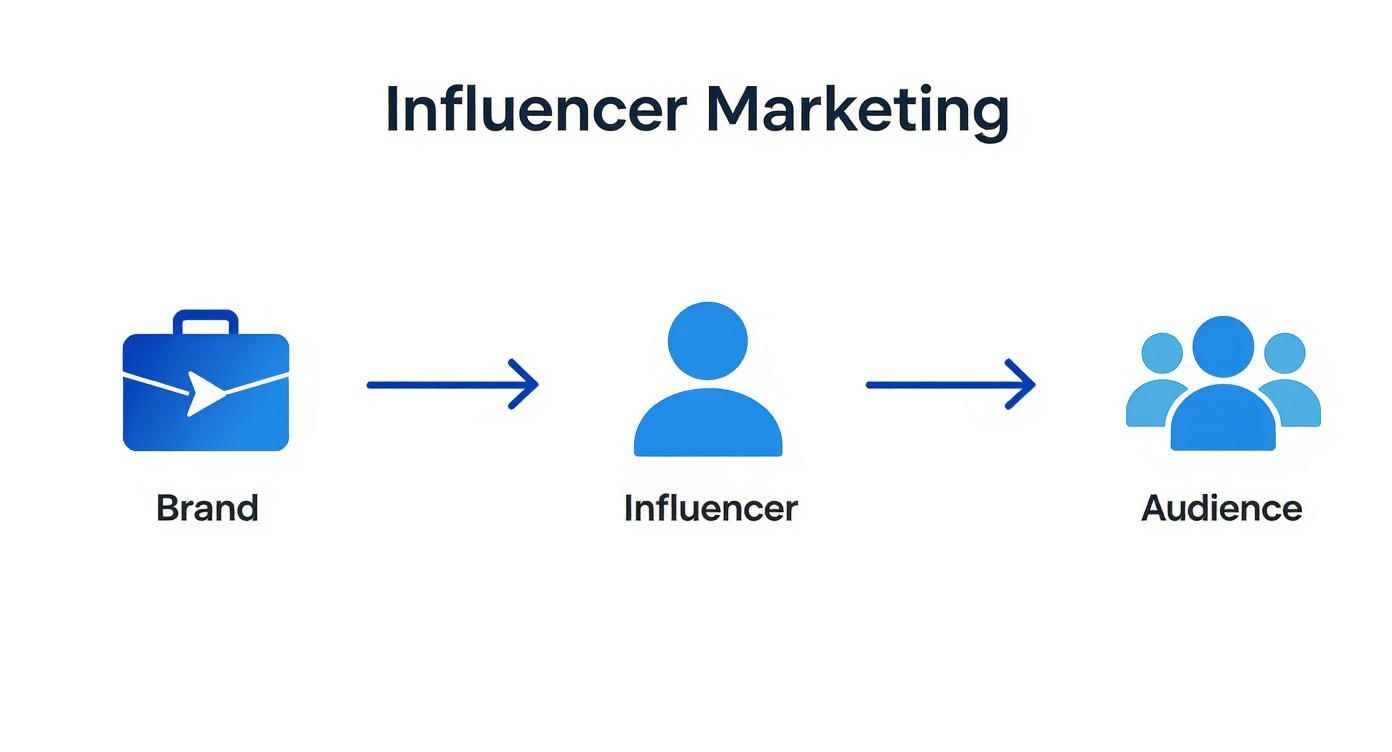
The image breaks it down: the brand's message is filtered through the influencer's credibility before it ever reaches the final consumer. Simple, but powerful.
The content creation stage is where the magic really happens. This could be anything from a quick-fire Instagram story to an in-depth YouTube review. These days, short-form video is a non-negotiable part of the mix, and this guide on winning with short-form content is a fantastic starting point for any brand wanting to get it right.
A successful partnership is built on mutual respect. The brand trusts the influencer's connection with their audience, and the influencer trusts the brand's product is genuinely valuable.
When it all comes together, the best campaigns feel less like marketing and more like great storytelling. If you want to dive deeper into creating compelling visuals, our guide on video marketing with visual content has plenty of insights that work perfectly with an influencer strategy. Get these elements right, and you’ll have a powerful message that doesn't just reach the right people—it actually moves them to act.
Choosing The Right Type Of Influencer For Your Goals
Picking the right influencer is about more than just chasing the biggest follower count. The world of influencer marketing is surprisingly diverse, with different creators offering completely different advantages. The smartest choice always comes back to your campaign goals – are you after huge brand awareness, or do you need deep, authentic engagement within a specific community?
An influencer’s audience size is the easiest way to categorise them, but it’s far from the only thing that matters. Each tier, from a local nano-influencer to a household-name mega-influencer, brings a unique kind of power to the table. Nailing this choice is the key to investing your budget wisely and actually getting the results you’re paying for.
From Nano To Mega: A Strategic Breakdown
To make the right call, you need to understand the main categories. Each type serves a very different purpose, and the best fit for your brand might not be the one you'd expect.
-
Nano-Influencers (1,000 – 10,000 followers): These are everyday people with a small but mighty following, often concentrated in a local area or a super-specific niche. Their superpower is their authenticity; their followers genuinely trust them.
-
Micro-Influencers (10,000 – 100,000 followers): Often seen as the sweet spot, these creators are genuine experts in their field – think motorsport, tech, or sustainable fashion. They're known for killer engagement rates because their audience hangs on their every word.
-
Macro-Influencers (100,000 – 1 million followers): Now we're talking about established, professional content creators, like well-known bloggers or social media personalities. They offer a powerful mix of serious reach and established credibility.
-
Mega-Influencers (1 million+ followers): This is the top tier, home to celebrities and A-list online stars. They deliver enormous reach, making them the go-to for massive brand awareness campaigns.
Why Smaller Can Be Mightier
Whilst the thought of getting in front of a million people is tempting, the engagement numbers tell a very different story. Smaller-scale influencers often pack a much bigger punch when it comes to audience interaction, which is where the real value lies. It all comes down to the fact that their relationship with their followers feels more personal and less like a broadcast.
For instance, nano-influencers on Instagram can pull in an engagement rate of 2.19% , and TikTok creators with under 15,000 followers can hit a staggering 18% . Dig into more influencer engagement rates on Traackr.com and you’ll see these figures often blow their mega-influencer counterparts out of the water.
Choosing an influencer is not just about who has the biggest megaphone. It’s about finding the right voice to speak to the right people in a way they will actually listen.
This makes nano and micro-influencers absolute gold for start-ups or brands targeting a niche demographic, like motorsport enthusiasts or local communities in Devon. A recommendation from them feels less like a polished advert and more like a genuine tip from a mate.
On the flip side, if your goal is to make a massive splash and get your name in front of millions of eyeballs, fast, then a macro or mega-influencer is your best bet. Their huge appeal can generate instant visibility – perfect for a product launch or a major company announcement. It’s all about matching the influencer to the job at hand.
Choosing Your Influencer: A Strategic Comparison
To help you decide, let's break it down. Think about what you really need to achieve, and this table will point you in the right direction.
| Influencer Type | Follower Count | Key Advantage | Best For |
|---|---|---|---|
| Nano | 1k - 10k | Hyper-targeted community & trust | Start-ups, local businesses, niche products, and building authentic community buzz. |
| Micro | 10k - 100k | High engagement & niche expertise | Brands needing credible endorsements in specific sectors (e.g., automotive, tech). |
| Macro | 100k - 1M | Broad reach & professional content | Established brands looking for significant visibility and polished campaign execution. |
| Mega | 1M+ | Massive, celebrity-level awareness | Big-budget campaigns, product launches, and maximising brand recognition quickly. |
Ultimately, there's no single "best" type of influencer. The right partner is the one whose audience and style perfectly align with your campaign's specific, measurable goals.
The Tangible Business Benefits Of Influencer Marketing
Okay, let's get past the theory and follower counts. What real-world results can you actually expect from influencer marketing?
Making influencer collaborations a core part of your strategy isn't just about getting your name out there. It’s about solving real business problems and hitting goals that traditional ads often miss. This is about building genuine connections that drive meaningful action.
One of the biggest wins is building authentic brand trust . We live in an age of ad-scepticism. People are tired of polished corporate messages and have learnt to tune them out. But they still listen to creators they know, like, and respect. An endorsement from a trusted influencer cuts straight through that noise, acting as powerful, third-party validation for what you sell.
This leads directly to another huge advantage: connecting with highly engaged niche audiences . Instead of casting a wide, expensive net and hoping for the best, you can pinpoint the exact communities that care about what you do. Whether that's motorsport fanatics or sustainable fashion advocates in a specific city, you can speak directly to them.
Driving Real Conversions And Sales
Ultimately, marketing has to affect the bottom line. This is where influencer partnerships really start to shine. By tapping into a creator’s credibility, your brand moves beyond just being seen and starts to directly influence buying decisions.
Think about it. A recommendation from a voice someone trusts is often the final nudge they need to click 'buy'. Research shows again and again that consumers value creator recommendations, making these campaigns a seriously powerful tool for driving sales.
Influencer marketing isn't just about reaching people; it's about persuading them. The authenticity of the messenger makes the message more believable, leading to higher conversion rates and a stronger return on investment.
Creating A Lasting Content Legacy
The value doesn't stop once the campaign posts go live. A huge, long-term benefit is the bank of high-quality user-generated content (UGC) you're left with. The authentic photos, videos, and reviews created during a campaign become incredibly valuable assets for your own marketing.
You can repurpose this content everywhere:
- Website: Add creator images to your product pages to show real people using and loving what you offer.
- Social Media: Reshare influencer posts to your own feeds to fill your content calendar with credible, engaging material.
- Adverts: Turn the best-performing influencer videos into paid social ads to reach an even broader audience.
This gives you a steady stream of authentic assets, saving you a ton of time and money on content creation whilst reinforcing your brand’s credibility. And this strategy is only getting more important, especially in the UK.
Data shows that by 2025, around 62.4% of UK social media users will regularly engage with creator content, cementing its place as a mainstream driver of digital advertising. You can explore the full UK influencer marketing report on eMarketer.com to see just how this trend is shaping brand strategies. The shift is clear: investing in authentic, creator-led content is no longer a nice-to-have—it's essential for growth.
How To Measure Campaign Success And ROI
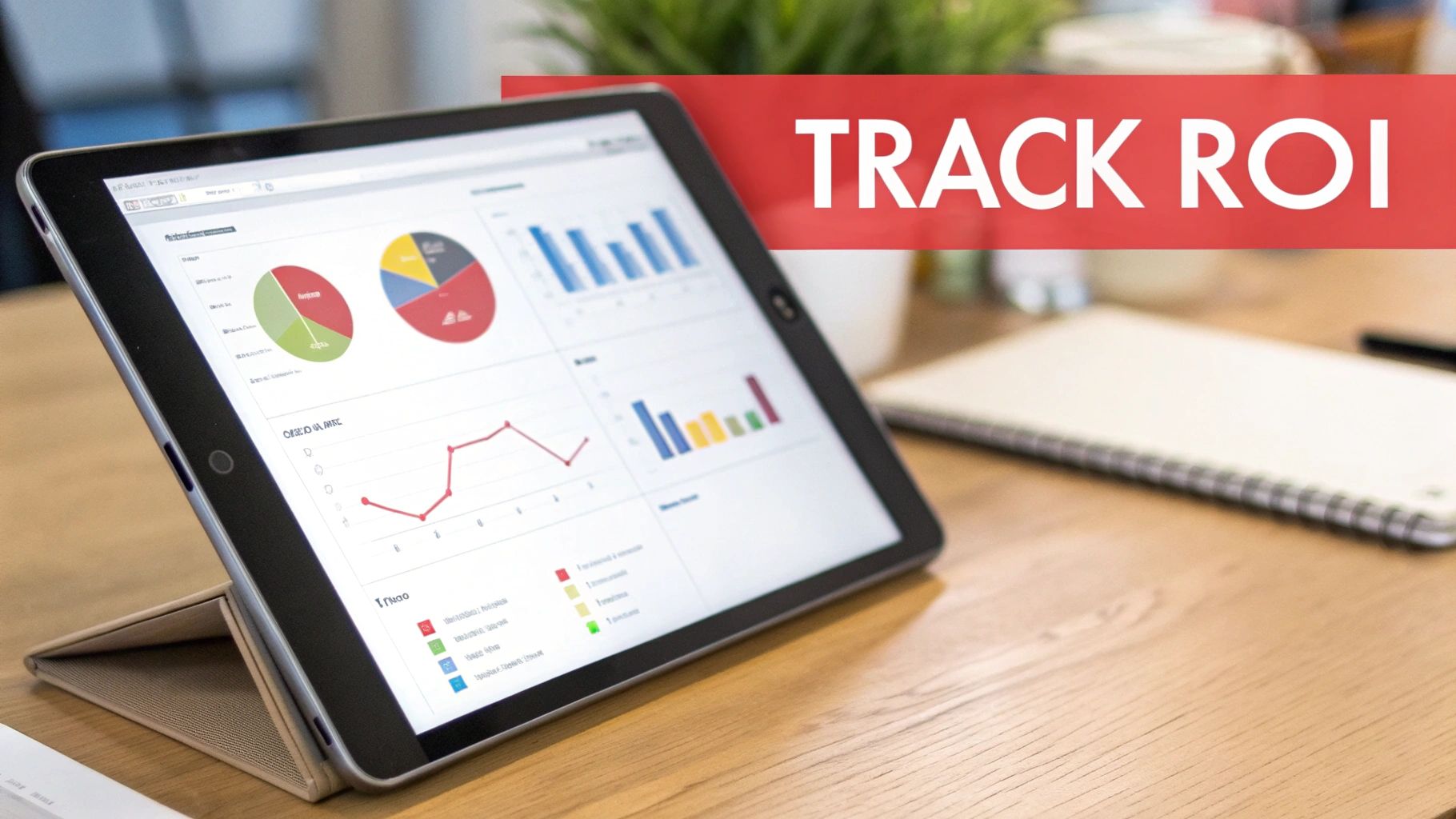
A flashy influencer campaign is one thing, but a successful one is a campaign you can measure. To really get a grip on what influencer marketing is and how it impacts your bottom line, you have to look past the superficial vanity metrics. Forget just counting ‘likes’ – it’s all about proving the value of your investment with hard data.
Tracking performance means drawing a straight line from an influencer’s activity right back to your business goals. It’s the make-or-break step that shifts your marketing spend from a hopeful guess into a predictable engine for growth. Without it, you’re just flying blind.
Key Metrics That Actually Matter
To get a true picture of performance, you need to lock onto the Key Performance Indicators (KPIs) that match your original objectives. Likes are nice, but they don't pay the bills. Instead, your focus should be on the metrics that show real audience action and tangible business results.
Here are the essential KPIs to have on your dashboard:
-
Engagement Rate: This is the ultimate test of how well an influencer’s content connected with their audience. It bundles up comments, shares, and saves – actions that signal a much deeper level of interest than a quick like. A high engagement rate tells you the content genuinely hit the mark. For a deeper dive, our guide on how to measure social media engagement offers specific UK-based insights.
-
Reach and Impressions: These two tell you how many unique people saw the content (reach) and the total number of times it was shown (impressions). They’re the bedrock for measuring brand awareness.
-
Website Traffic: By using custom UTM links, you can see exactly how many people clicked through from an influencer’s post to your website. This is a direct measure of their power to spark curiosity and drive action.
-
Conversion Rate: For any sales-focused campaign, this is the metric that matters most. It tracks how many of the visitors an influencer sent your way actually completed a specific goal, whether that’s making a purchase, signing up to your newsletter, or downloading a guide.
Calculating Your Return On Investment
Working out your ROI doesn’t need to be a headache. The goal is simple: tie sales directly to the influencer’s work. And there are some straightforward ways to do just that.
One of the most effective tactics is using unique discount codes or affiliate links . When you arm an influencer with a special code (like "CREATOR15" for 15% off), you can easily track every single sale that comes from their audience. In the same way, affiliate links show you precisely how much revenue a specific influencer has generated.
By linking sales directly to an influencer, you get a crystal-clear ROI calculation: (Revenue Generated - Campaign Cost) / Campaign Cost. This simple formula is all you need to justify your marketing spend.
Common Measurement Pitfalls To Avoid
Even with the best tools, it’s easy to slip up. Steer clear of these common mistakes to make sure your data is accurate and actually means something.
First off, setting vague goals is a recipe for disaster. If you don't define what success looks like from the outset—whether it’s 500 new email subscribers or a £10,000 bump in sales —you’ll have no benchmark to measure against.
Secondly, ignoring awkward data points because they don't paint a pretty picture is a huge mistake. Every metric, good or bad, contains a valuable lesson for your next campaign. Being accountable and data-driven is what separates a good campaign from a truly great one.
Launching Your First Influencer Campaign
Ready to go from watching from the sidelines to actually getting in the game? Launching your first influencer campaign isn’t some dark art—it’s a clear process. Break it down into simple, logical steps, and you can start building partnerships that get you tangible results, right from the get-go.
Everything starts with knowing your "why". Before you even dream of scrolling through influencer profiles, you need to be crystal clear on what you’re trying to achieve. Is the big goal to shift units of a new product? Or maybe it’s about making a splash in a new market? It could even be as simple as getting a steady stream of authentic content for your own social feeds. Whatever it is, that answer will guide every single decision you make from here on out.
This is also the moment to get real about your budget. Remember, you're not always paying in cash. For smaller nano-influencers, a gifted product or access to an exclusive experience can be just as compelling. A firm budget keeps you from getting carried away and helps you figure out the scale of who you can work with.
Finding Your Perfect Partner
Once you know what you're aiming for, it's time to find the right creators to help you get there. This isn’t about endlessly scrolling through Instagram; it's about smart, focused research. The absolute key is finding people whose audience is a perfect match for your ideal customer.
Look for influencers who:
- Share your brand’s values. Their whole vibe and tone of voice should feel like a natural extension of your own company.
- Have a genuinely engaged community. Forget vanity metrics. Look for meaningful comments and real conversations, not just a massive follower count.
- Produce high-quality content that matches the look and feel you want your brand to be associated with.
When you’ve got a shortlist, the outreach begins. Make your first message personal and professional. Name-drop a specific post or video of theirs you genuinely liked—it shows you’ve actually paid attention. Clearly explain why you think a partnership would be a brilliant fit for their audience, and be straight up about what you’re offering in return.
A successful influencer campaign is built on a simple, clear agreement. It doesn’t need to be a 50-page legal document, but it must outline the deliverables, the timeline, how you can use the content, and the compensation. This just makes sure everyone is on the same page from the start.
Your Questions, Answered
To wrap things up, let's tackle a few of the most common questions we hear from businesses dipping their toes into the world of influencer marketing. Think of this as the practical advice you need before you dive in.
How Much Does Influencer Marketing Cost In The UK?
There’s no single price tag, and that’s a good thing. The cost can be anything from a gifted product for a rising star to a five-figure sum for a household name.
As a rough ballpark, a campaign with a UK-based micro-influencer might start from a few hundred pounds. At the other end of the scale, macro-influencers can command £5,000 to £10,000+ per post . It all comes down to their follower count, engagement rates, the industry they’re in, and what you’re actually asking them to create.
What Are The Biggest Mistakes To Avoid?
Most slip-ups happen before a campaign even starts, usually because the strategy is half-baked. The classics include picking an influencer purely based on their follower count, handing them a script so rigid it kills any spark of authenticity, and forgetting to set clear, measurable goals.
Another huge pitfall is a lack of transparency. Audiences today are sharp. If a partnership feels like a forced ad or isn't clearly disclosed, it can instantly damage the credibility of both your brand and the influencer you're working with.
How Do You Ensure An Influencer Partnership Feels Authentic?
Authenticity isn’t something you can script; it comes from a genuine partnership, not just a transaction. The secret is finding influencers who already live and breathe your brand’s values.
Give them the creative freedom to talk about your product in their own voice, in a way that makes sense to their community. Focus on building a real relationship. Their followers can spot a forced, one-off cash grab a mile away, so make sure authenticity is the absolute bedrock of your collaboration.
Ready to build partnerships that feel real and drive actual growth? The team at Superhub lives and breathes this stuff. We create and manage influencer campaigns that don't just look good—they deliver measurable results. Find out how we can connect your brand with the right voices today.
Want This Done For You?
SuperHub helps UK brands with video, content, SEO and marketing that actually drives revenue. No vanity metrics. No bullsh*t.