


Essential Guide to Blog in Digital Marketing 2026
Digital marketing is evolving at a remarkable pace, and blogging is at the heart of this transformation in 2026. Did you know that 90% of businesses with an active blog in digital marketing see higher inbound leads?
By mastering the blog in digital marketing, brands can boost awareness, improve SEO, and increase revenue. If you are ready to strengthen your strategy and stay ahead, this essential guide is for you.
Explore a step-by-step, data-driven roadmap covering blogging fundamentals, strategic planning, high-impact content, SEO, AI integration, performance measurement, and targeted industry insights for 2026.
The Role of Blogging in Digital Marketing 2026
Blog in digital marketing continues to be a driving force behind business growth in 2026. The evolution of how brands use blogs reflects wider shifts in technology and consumer expectations. Let us explore how blogging has adapted, why it remains essential, its key benefits, and the challenges and opportunities ahead.

Evolution of Blogging in Digital Marketing
The journey of blog in digital marketing began with personal online diaries, but by 2026, it has matured into a vital business asset. Consumer behaviour has shifted towards on-demand, multimedia content, favouring video, interactive tools, and AI-driven personalisation. Brands now blend blog content with social media, email campaigns, and video platforms, ensuring a seamless experience.
In 2022, Google's algorithm changed 729 times, highlighting the need for adaptable blogging strategies (Neil Patel). Despite the rise of platforms like TikTok and Instagram Reels, blogging has shown resilience, offering depth and credibility that fleeting social posts often lack. Today, there are over 600 million blogs worldwide, underlining the immense scale and influence of blog in digital marketing.
Why Blogs Remain Essential in the Digital Age
A blog in digital marketing is fundamental to building trust and authority. Research shows that 90 percent of businesses consult more than 10 sources before purchasing (Neil Patel), proving that decision-makers value depth and variety in content. Blogs offer brands a direct channel to establish thought leadership, nurture leads, and boost organic visibility through SEO.
Both B2B and B2C brands leverage blogs to share insights, case studies, and industry news. This approach not only enhances credibility but also provides a cost-effective alternative to paid media. The ability of a blog in digital marketing to educate and engage audiences remains unmatched.
Key Benefits of Blogging for Brands
The blog in digital marketing delivers measurable advantages for brands of all sizes. First, it drives website traffic, helping companies climb search rankings and attract relevant visitors. Quality blog content generates qualified leads, supporting higher conversion rates.
Brands can foster community and loyalty by sharing stories, updates, and expert opinions. Storytelling through blogs helps differentiate a brand and reinforces its values. Additionally, content can be repurposed for social media and email, maximising reach. Evergreen posts ensure that a blog in digital marketing continues to provide value long after publication.
2026 Blogging Landscape: Challenges and Opportunities
By 2026, blog in digital marketing faces intense competition and content saturation. Authenticity and transparency have become critical, as AI-generated content and deepfakes challenge credibility. Brands must also navigate evolving data privacy laws and regulatory demands.
Opportunities arise in emerging niches such as motorsport, renewables, and tourism, where specialised blogs can gain authority. The rise of micro-influencers and niche blogs presents new ways for brands to build trust and engage targeted audiences. Staying agile and genuine will be key to thriving in the future landscape of blog in digital marketing.
Crafting a Winning Blogging Strategy for 2026
To maximise the impact of your blog in digital marketing, you must approach strategy with precision. The landscape in 2026 demands more than sporadic posting; it requires a data-driven, audience-focused plan. Let’s break down the essential steps to ensure your blog in digital marketing stands out, delivers value, and drives measurable results.

Understanding Your Audience and Market Trends
Begin by analysing your audience through a combination of analytics tools and social listening platforms. Understanding who reads your blog in digital marketing is crucial for tailoring content that resonates.
Create detailed personas to identify the motivations, challenges, and digital habits of your ideal readers. Study competitor blogs to spot content gaps and opportunities for differentiation. Monitor industry shifts, such as the rise of renewables or the popularity of motorsport, and incorporate emerging trends into your strategy.
Use data-driven insights to guide every decision. This ensures your blog in digital marketing remains relevant, authoritative, and engaging in a competitive environment.
Setting Clear Objectives and KPIs
Clarity of purpose is essential. Define SMART objectives for your blog in digital marketing, such as increasing site traffic, boosting engagement, or driving conversions.
Align your blog’s goals with your organisation’s broader marketing objectives. Select KPIs that truly reflect success, from bounce rates and dwell time to shares and lead conversions. Benchmark your performance against sector leaders to set realistic expectations.
Remember, marketing directors increasingly expect tangible ROI from every blog in digital marketing. Regularly review your performance to stay on track and adapt your objectives as needed.
Content Planning and Editorial Calendars
Consistency is the backbone of any successful blog in digital marketing. Develop a robust editorial calendar to schedule posts around evergreen topics, trending themes, and important industry events.
Balance different content formats—such as articles, videos, and infographics—to keep your audience engaged. Collaborate with subject matter experts for depth and authenticity. For actionable advice on building a winning content plan, consult content strategy creation tips.
Plan your calendar to support wider campaigns and seasonal peaks. This approach ensures your blog in digital marketing delivers sustained value and remains top of mind for your audience.
Integrating Blogs with Multi-Channel Campaigns
A blog in digital marketing should never exist in isolation. Cross-promote your content through social media, email newsletters, and paid campaigns for broader reach.
Use your blog as a landing point for campaigns, creating content clusters to build SEO authority. Partner with influencers to amplify your message and tap into new audiences. Track the performance of each channel and adjust your tactics based on real-time data.
By integrating your blog in digital marketing with other channels, you create a cohesive brand experience and multiply your results.
Sector-Specific Strategy: Motorsport, Renewables, Tourism, Fast Food, Technology
Tailor your blog in digital marketing to address the unique needs of your sector. In motorsport, share behind-the-scenes insights and sponsorship stories. For renewables, provide thought leadership and policy updates. Tourism blogs thrive on destination guides and local experiences, while fast food brands can highlight menu launches and community projects. Technology blogs should focus on product reviews, trend analysis, and expert interviews.
Adapt your content style, tone, and format to suit your audience’s expectations in each sector. This targeted approach ensures your blog in digital marketing becomes a trusted resource and drives real business outcomes.
Creating High-Impact Blog Content in 2026
Mastering the art of high-impact content is essential if you want your blog in digital marketing to stand out in 2026. Brands are blending new formats, AI innovation, and data-driven strategy to win audience attention and drive results. This section explores the key techniques you need to create content that delivers measurable value.

Content Formats and Storytelling Techniques
A successful blog in digital marketing thrives on diverse content formats. In 2026, brands are mixing text, video, infographics, podcasts, and interactive tools to keep readers engaged. Storytelling is at the heart of this approach, helping to humanise brands and form authentic connections.
Consider weaving customer stories and testimonials throughout your posts. Experiment with formats like AR and VR features, live Q&A sessions, and interactive polls. These techniques not only capture attention but also encourage return visits. Remember, the right story can transform a casual reader into a loyal advocate for your brand.
Writing for Engagement and Conversion
To make your blog in digital marketing truly effective, focus on both engagement and conversion from the outset. Start with magnetic headlines and introductions that spark curiosity. Use clear, concise British English and structure your content for easy skimming with subheadings and bullet points.
Every blog post should address your audience’s pain points, offering actionable solutions and practical advice. Strong calls to action (CTAs) guide readers towards your objectives, whether that is signing up for updates or making a purchase. By writing with empathy and clarity, you create a pathway from initial interest to measurable results.
SEO Best Practices for Blogging in 2026
Optimising your blog in digital marketing for search is no longer limited to Google. People are searching across platforms like TikTok, YouTube, and ChatGPT. Use advanced keyword research tools such as Ubersuggest and AnswerThePublic to uncover trending queries in your niche.
Focus on user experience by improving site speed, mobile responsiveness, and implementing structured data. Regularly update older posts for freshness and higher relevance. For a detailed breakdown of on-page optimisation, see the SEO best practices explained guide. Staying ahead in search ensures your content remains visible and impactful.
Leveraging AI and Automation in Content Creation
AI is transforming how brands approach their blog in digital marketing. Use AI-powered tools for ideation, drafting, and editing to streamline your workflow. However, balance automation with human creativity to maintain nuance and authenticity in your content.
Regularly review AI-generated material for repetition and factual accuracy. Tools that support conversational search optimisation are invaluable as voice and AI assistants become more prevalent. Embracing AI allows you to scale content production without compromising quality or brand voice.
Visuals, Multimedia, and Accessibility
Strong visuals are a cornerstone of any high-impact blog in digital marketing. Invest in original photography, bespoke graphics, and short-form video to bring your posts to life. Interactive elements like motion graphics and downloadable resources, such as checklists or PDFs, further enhance reader experience.
Always ensure accessibility by including descriptive alt text, captions, and readable fonts. Test your content across devices to guarantee seamless access for all users. Accessible multimedia not only broadens your reach but also strengthens your brand’s reputation for inclusivity.
Collaboration and Guest Blogging
Collaboration is a powerful way to amplify your blog in digital marketing. Partner with industry experts for guest posts and invite customer contributions to showcase real-world success stories. Working with influencers can introduce your content to new audiences and build credibility.
Cross-posting on reputable platforms and building relationships with peers in your sector will earn valuable backlinks and authority. These collaborative efforts help you stay agile, relevant, and ahead of the competition in 2026.
Measuring Blog Performance and ROI
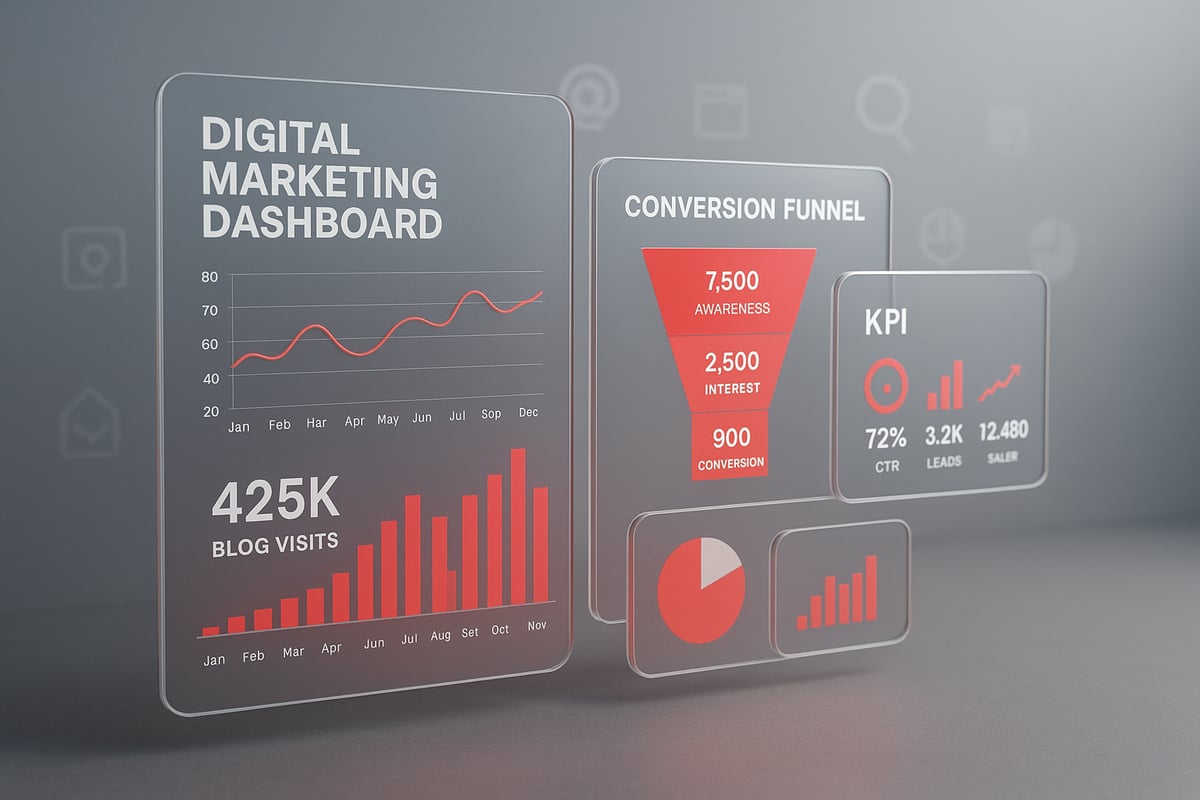
Understanding how to measure the effectiveness of your blog in digital marketing is vital for sustained growth and strategic decision-making. With increased investment in content, brands need robust frameworks to gauge what works and where to optimise. Tracking the right metrics, using the latest analytics tools, and proving ROI empowers marketers to refine their approach and demonstrate tangible business impact.
Key Metrics to Track in 2026
To maximise your blog in digital marketing, it is essential to monitor a diverse set of performance metrics. Start by tracking traffic sources such as organic, referral, social, and direct. This reveals where your audience originates and which channels drive the most engagement.
Engagement metrics like time on page, scroll depth, and comments indicate how readers interact with your content. Conversion rates, including form completions, downloads, and direct sales, measure the effectiveness of your calls to action.
SEO indicators, such as keyword rankings and backlinks, show how well your blog in digital marketing is contributing to organic growth. Finally, brand metrics like mentions, sentiment, and share of voice provide insight into your blog’s influence within your industry.
Analytics Tools and Dashboards
Selecting the right analytics tools is crucial for measuring your blog in digital marketing. Google Analytics 4 provides comprehensive tracking of user behaviour, while Ubersuggest offers keyword and SEO insights. Custom dashboards enable you to visualise KPIs in real time, making it easier to respond to changes quickly.
Set up conversion funnels to monitor user journeys from initial visit to final action. Tools like CrazyEgg deliver heatmaps and user journey analysis, helping you understand how visitors engage with your content.
Automated reporting saves time and ensures fresh data for decision-making. Comparing performance across sectors within your blog in digital marketing can uncover new opportunities and highlight areas for improvement.
Attribution and Proving Blog Value
Attribution models are essential for connecting your blog in digital marketing to revenue and business outcomes. Multi-touch attribution tracks all touchpoints in the customer journey, revealing which content contributes to conversions.
Monitor assisted conversions to understand the supporting role your blog plays in nurturing leads. Use dashboards and predictive models, such as those outlined in Content marketing consulting insights, to present data-driven evidence of blog-driven growth.
Share case studies where your blog in digital marketing has directly influenced sales or customer acquisition. This builds internal trust and secures future investment in content initiatives.
Continuous Improvement and Optimisation
Continuous improvement is the cornerstone of a successful blog in digital marketing. Regular content audits help identify which posts need refreshing or updating. Revise high-performing content to maintain relevance and authority.
A/B test headlines, calls to action, and layouts to discover what resonates best with your audience. Solicit feedback through surveys or comments to fine-tune your content strategy.
Stay agile to adapt to algorithm updates and evolving best practices. By consistently optimising your blog in digital marketing, you ensure long-term growth and sustained competitive advantage.
Future-Proofing Your Blog: Trends and Innovations for 2026
The landscape for blog in digital marketing is evolving rapidly, and future-proofing your strategy has never been more crucial. To maintain relevance and drive results, brands must embrace new technologies, foster genuine engagement, explore fresh revenue streams, and build trust in a shifting regulatory environment.
Embracing AI, Voice, and Conversational Search
In 2026, integrating AI and voice technology will be central to any successful blog in digital marketing. Optimising for voice search and AI assistants means creating FAQ-style, conversational content that directly answers users’ questions.
AI tools now help marketers plan content more effectively, predict trends, and automate routine tasks, saving significant time and resources. In fact, AI revolutionizes content creation, saving up to 70%, making it a vital asset for scaling blog in digital marketing without sacrificing quality. Staying agile and monitoring platforms like ChatGPT and Alexa is essential to stay ahead of algorithm updates.
Building Community and Interactive Experiences
A thriving blog in digital marketing is more than just a collection of articles; it’s a hub for community and interaction. Brands are launching forums, live chat features, and interactive comment sections to encourage reader participation.
User-generated content, such as reviews and testimonials, adds authenticity and helps foster loyalty. Hosting webinars, virtual events, and live Q&A sessions brings your audience closer, while exclusive memberships or content create a sense of belonging. Micro-influencers can amplify niche engagement, making your blog in digital marketing a true community anchor.
Monetisation and New Revenue Streams
As the digital landscape matures, monetising a blog in digital marketing becomes increasingly sophisticated. Sponsored content, native advertising, and affiliate marketing continue to gain traction.
Brands develop premium offerings such as e-books and online courses, expanding their revenue base. Co-marketing campaigns and brand partnerships also present new opportunities for both B2B and B2C sectors. For a comprehensive look at strategies that underpin successful blog in digital marketing monetisation, consult the Digital content marketing guide.
Navigating Regulation, Privacy, and Trust
With stricter privacy laws and growing concerns over data use, trust is the cornerstone of any blog in digital marketing. Brands must remain transparent about data collection, cookies, and how user information is handled.
Regularly updating privacy policies, providing clear disclosures, and fact-checking content are key steps. Addressing misinformation and deepfakes proactively will safeguard your reputation. Educating your readers about digital safety and ethics builds long-term trust and positions your blog in digital marketing as a reliable authority.
Blogging Success Stories: Sector Spotlights and Case Studies
Real-world success stories show the transformative power of a well-executed blog in digital marketing. Across diverse sectors, brands are harnessing the unique strengths of blogging to engage audiences, drive measurable growth, and stand out in a crowded digital landscape.
Motorsport: Driving Sponsorship and Fan Engagement
Motorsport brands have elevated the blog in digital marketing to energise both fans and sponsors. Teams regularly post behind-the-scenes content, offering exclusive glimpses into race preparations and technical innovations.
By sharing sponsorship stories and technical breakdowns, blogs become a bridge between the paddock and the public. Collaborations with partners such as SUPERHUB amplify reach, creating content clusters that attract both hardcore fans and casual viewers.
Campaigns often feature:
- Interactive Q&A sessions with drivers
- In-depth engineering insights
- Fan-generated photo competitions
These initiatives have resulted in higher sponsor visibility, improved fan engagement metrics, and tangible increases in sponsor ROI, proving the effectiveness of a strategic blog in digital marketing.
Renewables: Thought Leadership and Policy Influence
For the renewables sector, the blog in digital marketing acts as a crucial tool for demystifying complex technologies and shaping public discourse. Leading firms publish data-driven analyses on solar, wind, and policy developments, positioning themselves as industry authorities.
Collaborations with experts and industry bodies lend credibility, while case studies showcase real-world impact. Popular content formats include:
- Explainers on regulatory changes
- Success stories from renewable installations
- Policy updates and expert interviews
By tracking metrics such as shares, backlinks, and policy mentions, renewables brands demonstrate how a targeted blog in digital marketing can build trust, influence opinion, and drive sustained awareness.
Tourism: Inspiring Travel and Local Discovery
Tourism brands thrive when the blog in digital marketing is used to spark wanderlust and highlight local gems. Destination guides, crafted with vivid storytelling and practical tips, inspire travellers to explore new places.
User-generated content and authentic reviews foster a sense of community, while partnerships with tourism boards and influencers expand reach. Notably, 77% of internet users read blogs regularly, underscoring the blog’s vital role in reaching and influencing potential visitors.
The impact is measurable:
- Increased bookings from blog-driven referrals
- Higher dwell times on destination pages
- More social shares and positive sentiment
A well-curated blog in digital marketing helps tourism brands connect, convert, and build loyalty.
Fast Food & Technology: Product Launches and Trendsetting
Fast food and technology brands rely on the blog in digital marketing to build anticipation and set trends. Blog campaigns for new menu items or tech gadgets use eye-catching multimedia, including launch videos, behind-the-scenes stories, and customer testimonials.
Viral campaigns often integrate social media and influencer content to maximise reach. Brands also benefit from the SEO advantages, as businesses that blog generate 97% more inbound links, boosting organic search visibility.
Key results include:
- Spikes in sales following product launch blogs
- Extensive media mentions and user engagement
- Lasting brand authority in competitive markets
By embracing the blog in digital marketing, these sectors stay ahead of trends and drive measurable business outcomes.
Having explored the strategies and sector insights in this essential guide, you now understand just how powerful blogging can be for growing your brand in the digital marketing landscape of 2026. Whether you’re aiming to boost your SEO, engage new audiences in motorsport or renewables, or simply want your content to deliver measurable results, the next step is to put these techniques into action. If you’re ready to elevate your blog and drive real business growth, why not book a free consultation
with our team? Let’s work together to turn your blogging goals into tangible success.
Want This Done For You?
SuperHub helps UK brands with video, content, SEO and marketing that actually drives revenue. No vanity metrics. No bullsh*t.