

Interest Media: Why the For You Page Killed Following
Something has shifted in how social media works and most brands are still operating to the old rules. The follower count, the audience size, the reach numbers we built our content strategies around for fifteen years no longer determine what gets seen.
What does is interest. Specifically, the platform's read of each individual viewer's interest profile, matched against your content in real time. Every post stands on its own. The follower relationship has been quietly demoted from guaranteed delivery to soft signal.
This is Interest Media. And if you're still running a social strategy built on followers rather than interest, you're paying a tax you can't see.
How we got here
TikTok built the For You Page around a simple bet: viewers don't want to see what they followed, they want to see what they like. Show them what they like and they'll watch longer, engage more, come back more often. The follower graph became background data. The interest profile became everything.
Instagram copied it. YouTube already had it through Shorts. Facebook quietly rebuilt the feed around the same logic. By 2024 every meaningful platform was running the same model. The era of feed based following ended without much of an announcement.
The mechanics matter because they explain what's happening to engagement rates. Each piece of content you post is now scored against the interest profile of each potential viewer. If the post matches what that viewer engages with, it gets shown. If it doesn't, the platform throttles it, regardless of how many followers you have.
Then it gets worse. Low engagement rate on a mismatched post drags down the algorithmic trust score for the next post you publish. So one off interest video doesn't just underperform on its own. It also reduces distribution on the next post that should have flown.
The variety tax
This is where the model breaks for almost every brand still operating like it's 2018.
Take a typical SME social account. One day it's a behind the scenes shot of the team. The next day it's a product feature. The day after that it's a CEO interview clip. The week after it's a customer testimonial.
To a human follower, that mix reads as personality. To an interest matching algorithm, it reads as signal noise. The platform can't lock onto who this audience is for, so it can't reliably serve any of it. Variety used to be a brand asset. Now it's a tax on distribution.
The brands still posting like this are watching their organic reach decline year on year and assuming the answer is more posts, better hooks, sharper hashtags. The answer is none of those things. The answer is that the channel architecture is wrong for the era they're operating in.
The 40-30-20-10 rule still works, but not where you think
Plenty of useful frameworks exist for content mix. The classic version is 40 percent personality, 30 percent value, 20 percent niche content, 10 percent promotion. We've used it for years and it produces strong engagement when it's applied correctly.
But it only works inside a single interest cluster. Apply 40-30-20-10 across mixed clusters on the same channel and the algorithm reads it as the noise problem above. Apply it within a coherent interest cluster and every category reinforces the others, the algorithm gets a clearer audience signal, and distribution improves.
The framework wasn't wrong. The container has changed.
Interest Channel Architecture
The fix is structural, not tactical. You stop thinking about social media as the brand's account and start thinking about it as channels organised by interest cluster.
The master brand still exists. It still posts. But it becomes a portfolio holder rather than a daily content engine. Underneath it sits a defined number of interest channels, each with its own coherent audience and content rhythm.
This is where Red Bull has been ahead of everyone for a decade. Red Bull Racing has its own channels. Red Bull MTB has its own. Red Bull Cliff Diving has its own. So does Red Bull Bike, Red Bull Esports, Red Bull Athletes. Each is a focused interest channel with its own fans, its own algorithm trust, its own engagement profile. The Red Bull master account does the cross promotion work.
Most people read the Red Bull model as a content strategy. It isn't. It's a distribution architecture built for exactly the platform mechanics we're now living with. They just got there earlier than the rest of us.
The full breakdown of how to apply this is here: Interest Channel Architecture: How to Structure Social Media for the Post-Following Era.
What this means for most businesses
Almost no SME needs ten channels. The point isn't to copy Red Bull at scale. The point is to identify the one to three interest clusters that genuinely matter to your commercial strategy and build channels around those, properly.
The decision sits in three questions:
- What interest clusters does my customer base actually fall into? If you serve trades, the clusters might be roofers, plasterers, electricians. Three different audiences who watch different content even if they buy similar services from you.
- Which of those clusters is most commercially valuable? You're not building three channels at once. Pick the one with the highest customer lifetime value and start there.
- What does that cluster actually want to watch? Not what you want to post. What they engage with. The interest channel works when it serves the audience's interest, not the brand's calendar.
Done properly, an interest channel with five thousand engaged followers will outperform a generic brand channel with fifty thousand mixed ones. The vanity metric falls. The commercial metric rises.
Why this matters more in motorsport than anywhere
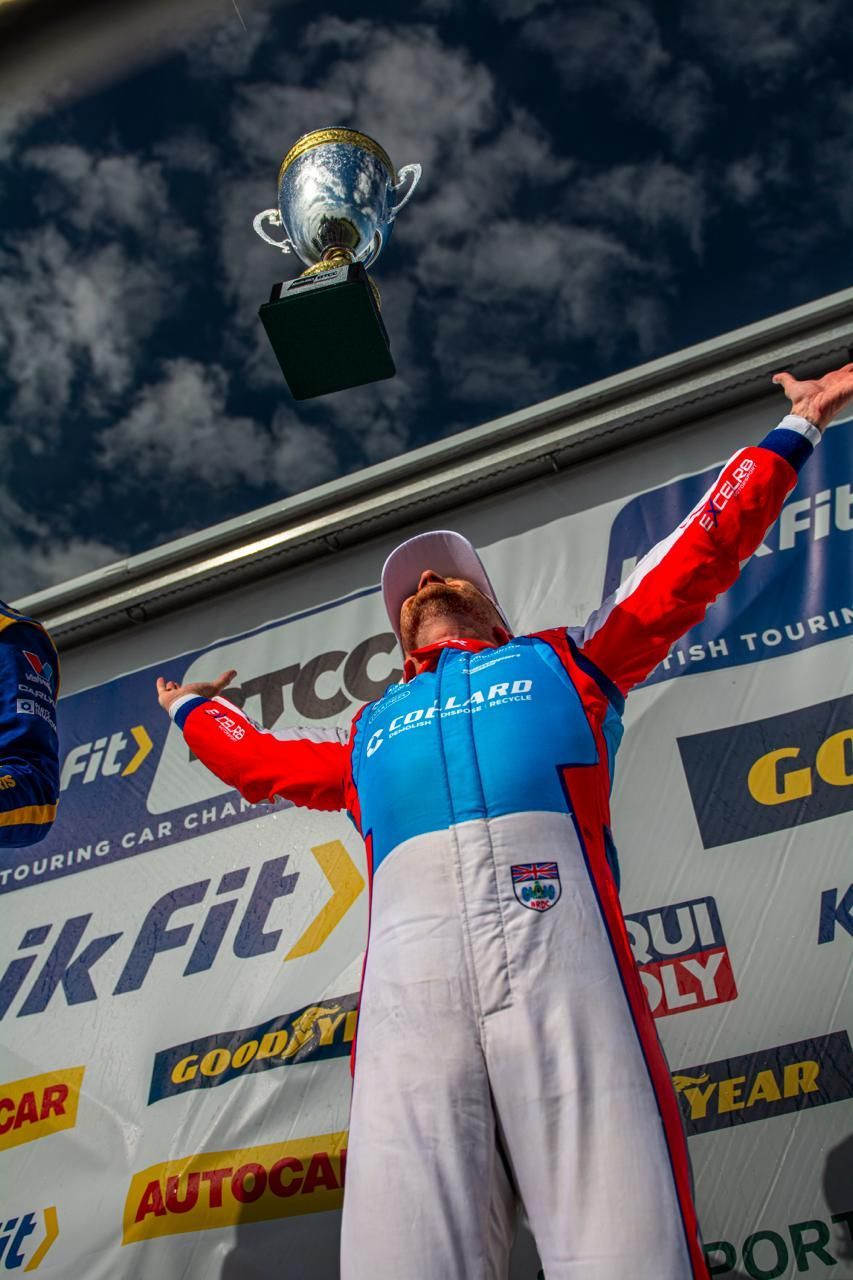
Motorsport has been running interest media logic for fifty years without naming it. Sponsors don't buy a driver's reach. They buy access to a specific interest audience: BTCC fans, MotoGP fans, rally fans, Formula 1 fans. Each is a defined interest cluster with predictable buying patterns and commercial alignment.
What's changed is that the same logic now applies to everything else. The principle that built motorsport sponsorship has become the operating principle of digital distribution.
It's why we built SuperHub Race Funded around interest alignment rather than reach. It's why the SuperHub Motorsport Network is structured as a portfolio of interest channels rather than a list of drivers. The framework was built for motorsport but it works for any business that takes the architecture seriously.
Following is dead. Architect for interest.
The brands that win the next ten years won't be the ones with the biggest follower numbers. They'll be the ones with the cleanest interest architecture. The clearest channel splits. The deepest engagement inside each cluster.
If you're running a single mixed channel and watching reach decline, the answer isn't more content. It's a better container. Map your interest clusters. Build channels around the ones that matter. Let the master brand do what it's good at, which is signing the cheques and stewarding the portfolio.
Interest Media isn't coming. It's already the model. The only question is whether you're working with it or paying the tax.
Read more in the Interest Media series: What is Interest Media? A Plain English Definition| Why the For You Page is Eating Your Followers| Interest Channel Architecture: How to Structure Social Media for the Post-Following Era
Want This Done For You?
SuperHub helps UK brands with video, content, SEO and marketing that actually drives revenue. No vanity metrics. No bullsh*t.