

Motorsport Sponsorship Activation: Why Most Brands Waste Their Investment and What Good Actually Looks Like
Most sponsorship deals fail at activation. Not at acquisition. Not at negotiation. At the bit that comes after you've signed the contract and handed over the cheque. That's where brands either compound their investment into something commercially significant or let it drain away into a series of trackside photos that nobody outside the marketing department has ever seen.
I've watched this happen at every level of motorsport for thirty years. Companies spending serious money — sometimes genuinely serious money — on partnerships that deliver almost nothing because nobody at the brand side took the time to think about what activation actually means in the specific context they'd bought into. And here's the thing that makes it worse: what activation means in Formula One is fundamentally different to what it means in BTCC, in MotoGP, in Formula E. You can't copy and paste a playbook between series and expect it to work. The audiences are different, the access is different, the media distribution is different, the cultural context is completely different.
So let me try to break this down properly, because I don't think it gets said clearly enough anywhere.
The Drive to Survive Effect and What It Changed
The conversation about Formula One sponsorship has to start here now, because everything else sits on top of this. Drive to Survive — the Netflix documentary series that started in 2018 — did something to Formula One that no amount of race coverage had managed in the previous seventy years. It brought in a completely new audience. Not motorsport fans who'd already been watching for years. Genuinely new people who had no particular interest in racing and found it through drama.
The demographic data on this is striking. The new F1 audience skews significantly female — and that's not something the sport had ever meaningfully engaged. These are not people who grew up arguing about tyre compounds and engine regulations. They came in through driver personalities, team politics, the emotional architecture of a season told as a story. The motorsport was the backdrop, not the draw. You could have set the same show in professional cycling or yacht racing and it probably would have worked just as well, because what Drive to Survive actually sells is high-stakes human drama with expensive machinery in the background.
This matters enormously for activation because it means F1 now has two substantially different audience groups sitting on top of each other. The traditional motorsport fan base — technical, knowledgeable, loyal, predominantly male, demographic profile running older. And the Drive to Survive audience — younger, more female, more international, engaged with the personalities and the spectacle rather than the mechanics. These groups respond to completely different activation strategies. A brand that activates only for one of them is leaving significant value on the table from the other.
Liberty Media understood this, which is partly why F1's commercial performance has been extraordinary over the last five years. The question for sponsors is whether they understand it too. Because a lot of them clearly don't.
What Activation Actually Means — and Why Scale Changes Everything
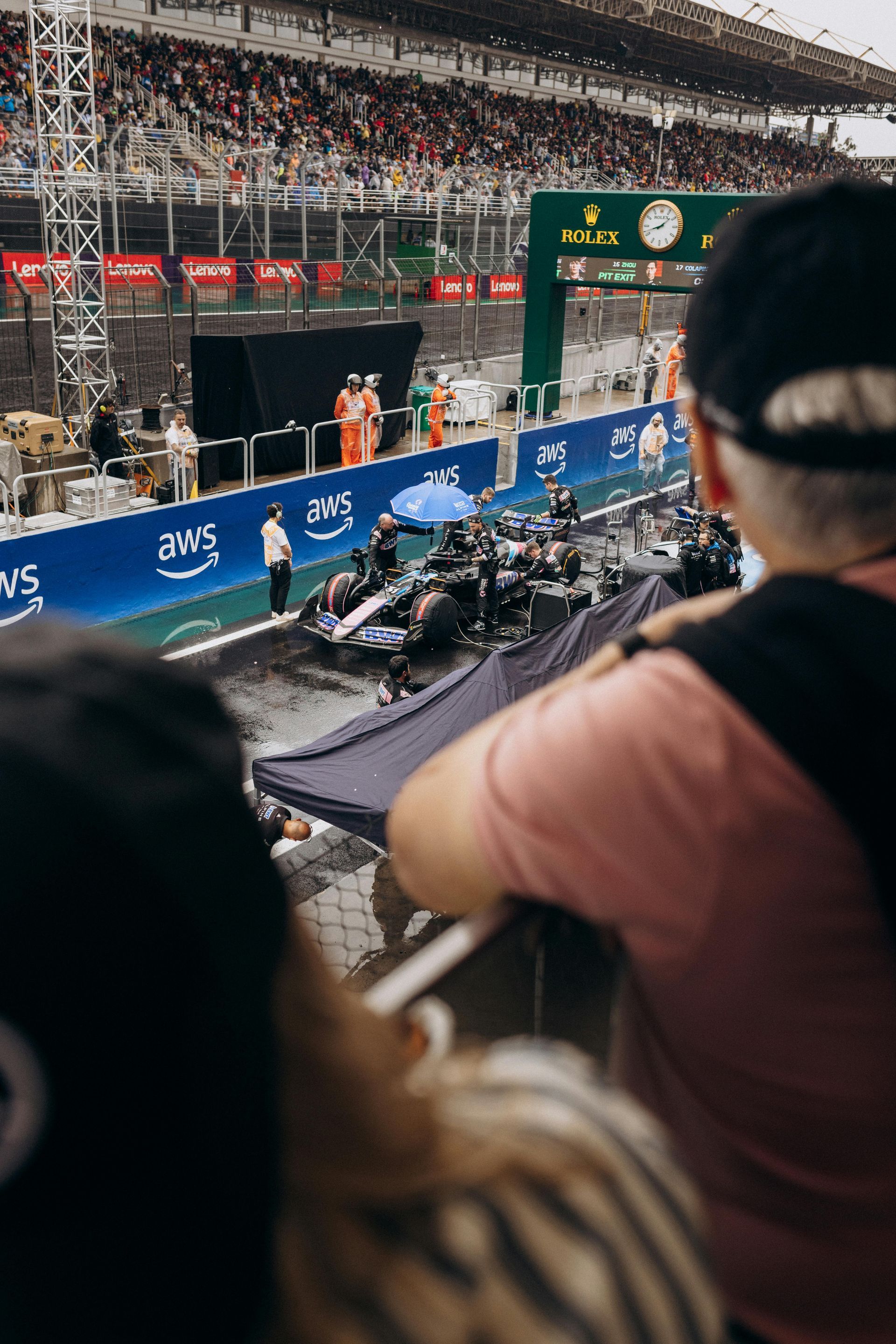
Let's start with a basic distinction that I think a lot of brands miss. Activation is not the sponsorship. The sponsorship buys you rights. Activation is what you do with those rights to generate commercial return. The logo on the car is not activation. It's the asset. Activation is everything that happens after you've acquired the asset — the content, the hospitality, the B2B relationships, the customer engagement, the internal staff programmes, the PR leverage, the digital campaigns. The logo on the car is just the permission slip.
At the top end of the market — proper F1 title sponsorship, the kind of thing Louis Vuitton recently committed to with a reported £1.5 billion over ten years to become F1's luxury partner, replacing Rolex, Ferrari Fizzy Stuff (not the car) with the likes of Moet and Chandon and Tag Heuer etc so activation needs to be working at every level simultaneously and it needs to be shifting product. You don't sign a ten-year, £1.5 billion deal and then hope people notice your logo on the podium. You need that investment to pay off commercially. Louis Vuitton has to sell bags and luggage and leather goods, watches and plonk off the back of that deal, and they need to sell an awful lot of it over ten years to justify the number.
Now compare that to Rolex, who they're replacing. Rolex had a different challenge entirely. Rolex has spent decades deliberately restricting the supply of its products to create artificial scarcity and therefore desirability. There are waiting lists for Rolex watches. That's not a logistics problem, it's a strategy. The function of Rolex's F1 partnership wasn't primarily to shift unit volume, it was to position the brand at the highest possible cultural tier, to be seen at the most prestigious events in the world, alongside heads of state and business leaders. For that purpose, F1 worked perfectly. Whether it was the most efficient use of that marketing budget compared to other prestige positioning options is genuinely questionable, but the brand logic or what I call 'ego logic' was at least coherent.
Louis Vuitton's brand logic is fundamentally different. Louis Vuitton does not restrict supply. Tag Heuer watches — owned by the same LVMH group — don't operate with the same scarcity model. Louis Vuitton needs to sell product at scale. The activation for a £1.5 billion commitment has to reach potential buyers, not just prestige associations. That means layering across every channel, TV coverage, digital, social, retail, experiential, partnerships — in a way that drives actual consumer behaviour rather than just brand perception among people who are already aware of the brand.
The Brands Getting It Wrong: Crypto.com and Emirates
Right. Let me give you two examples of brands I think are doing this poorly, because I find it genuinely baffling given the scale of investment involved.
Crypto.com is an obvious one. Their F1 presence — the car branding, the naming rights deals, the paddock visibility — is significant. And if you watch a Grand Prix on British television you will see the Crypto.com branding. But go outside that broadcast and look for Crypto.com activating their motorsport partnership in the UK market. Look for digital campaigns that reference the racing. Look for social content that bridges the paddock and the product. Look for anything that makes you connect the Crypto.com brand to what you saw in qualifying on Saturday. It's almost entirely absent.
This is motorsport sponsorship being used purely as a broadcast media buy. You're paying for the logo placement in the TV coverage, and that's roughly the beginning and end of the commercial strategy. Which might make sense if you're primarily a brand awareness play in markets where you're not yet known, but for a brand trying to build credibility and user acquisition in sophisticated financial markets like the UK, you need more than a logo on a wing mirror. You need integration with the audience, content that demonstrates relevance, community building around the sponsorship. None of that appears to be happening at a visible level. Revolut by comparison seems so far more joined up within the same space.
Emirates is a slightly different case and in some ways a more interesting one. The Emirates brand sits alongside F1 very naturally — global travel, premium positioning, aspirational lifestyle. The brand alignment is genuinely good. But Emirates consistently prioritises brand visibility over experiential activation, and I think they're leaving a significant amount of value unrealised. The hospitality opportunity at Formula One is extraordinary — paddock access at Monaco, Abu Dhabi, Singapore, the events where the overlap between Emirates' target customer and the F1 audience is highest — and Emirates doesn't seem to be using it as aggressively as you'd expect given what they're spending. The brand takes precedence, and the brand could probably be built almost as effectively without the F1 price tag if you're not leveraging the experiential layer that justifies it.
The Brands Getting It Right: 1Password as a Template
So what does good look like? 1Password are worth studying. They're a team sponsor at a level that's well below title partnership territory, but what they've done with the asset is genuinely impressive. They've layered their activation across television coverage, digital content, organic social, and within the racing itself — positioning themselves not just as a logo on a livery but as a genuine technology partner to the team. The narrative is consistent: 1Password is in the business of protecting access and identity, racing teams are in the business of protecting competitive advantage. The connection is made coherently and repeatedly across multiple touchpoints.
What 1Password have done is answer the question that every sponsor should be asking from day one: "Why does our brand belong in this sport?" Not in a vague "we share values of performance and precision" way, which is the lazy answer that every agency will offer you. In a specific, story-able way that your target customer can understand and remember. When you see 1Password in an F1 context and then see them in a digital ad, the mental connection is already made. That's how sponsorship is supposed to work and it's rarer than it should be.
Formula E: The Sustainability Problem
Formula E was sold on a sustainability platform, and for a while that story was compelling enough to attract significant manufacturer investment and brand interest. The reality of the racing itself is a different matter, and I think the long-term commercial prospects for Formula E sponsorship are more troubled than the official narrative suggests.
The issue is partly the tracks. Formula E races on street circuits in city centres around the world — which sounds exciting and is certainly photogenic — but the quality of those circuits is generally well below F1 street circuit standards. They're more comparable to some of the IndyCar street races, which vary considerably in quality, than to Monaco or Singapore. The racing that results is often processional or chaotic in ways that don't generate the kind of compelling narrative you need to sustain audience engagement and therefore sponsor value.
The deeper problem is manufacturer commitment. Several manufacturers have entered and exited Formula E, and the pressure on EV sales in markets where the series is supposed to be building brand equity creates a tension that I think is going to be hard to resolve. If you're a car manufacturer and your EV sales are underperforming, and your board is questioning the return from Formula E participation, the sustainability brand story starts to feel more like a liability than an asset. The series needs to find an audience and a commercial model that doesn't depend entirely on manufacturer factory programmes, and it hasn't clearly done that yet.
For sponsors considering Formula E, the honest advice is to interrogate the audience data very carefully. The series has a following, particularly in certain markets, but the activation opportunities are materially different from F1, MotoGP or BTCC — and in some cases more limited, because the events themselves don't always create the dwell time and atmosphere that makes hospitality and experiential activation work well.
MotoGP and What Liberty Media Will Do Next
Liberty Media's acquisition of MotoGP is, I think, one of the most significant developments in motorsport commercial rights in years, and it's not getting nearly enough attention in the sponsorship conversation.
MotoGP has been commercially underperforming relative to its audience quality for a long time. The racing is genuinely outstanding — arguably better racing than F1 on a week-to-week basis — but the commercial infrastructure, the media distribution, the brand development and the sponsor activation frameworks have lagged considerably behind what Liberty has achieved with Formula One. Liberty will know this. They bought the asset specifically because they believe they can apply the Formula One commercial model to a second global motorsport property.
Here's what I think happens in the next two to three years: MotoGP starts appearing in markets that F1 has already opened up — Miami, Las Vegas, potentially others. Not necessarily on the same weekend — you'd lose ticket revenue, and the venues and local authorities aren't going to want two consecutive weekends of that kind of footfall disruption — but on an interleaved calendar that creates a near-continuous motorsport narrative across the season. The TV coverage packages get sold together in some markets. The sponsor activation opportunities get framed as cross-property plays for brands that want presence across both disciplines.
What this means for sponsors is significant. A brand that is already in MotoGP sponsorship could find its investment leveraged across a substantially more valuable media platform within a relatively short timeframe. A brand that's been priced out of F1 might find a more accessible entry point through MotoGP at a time when Liberty is actively building the property's commercial value. The brands that move into MotoGP sponsorship in the next eighteen months before Liberty's commercial restructuring takes full effect will almost certainly be looking at better value than they'll find once the transformation is complete and pricing reflects the new reality. Now is the time to buy a MotoGP team if F1 team values are anything to go by. One last note I am not sure that despite what I said about Drive to Survive working in any background frame 100% of the time applies to MotoGP; why? my experience of motorcycle racing is the TT, the racers are just not as pleasing on the eye as some of those in F1 and are (because they have to be) slightly deranged! I do hope I a proved wrong.
BTCC: Crying Out for a Drive to Survive
Right. Let me bring this closer to home, because I suspect more people reading this are considering BTCC sponsorship than F1, and the activation question there is both more tractable and more urgently in need of a clear answer.
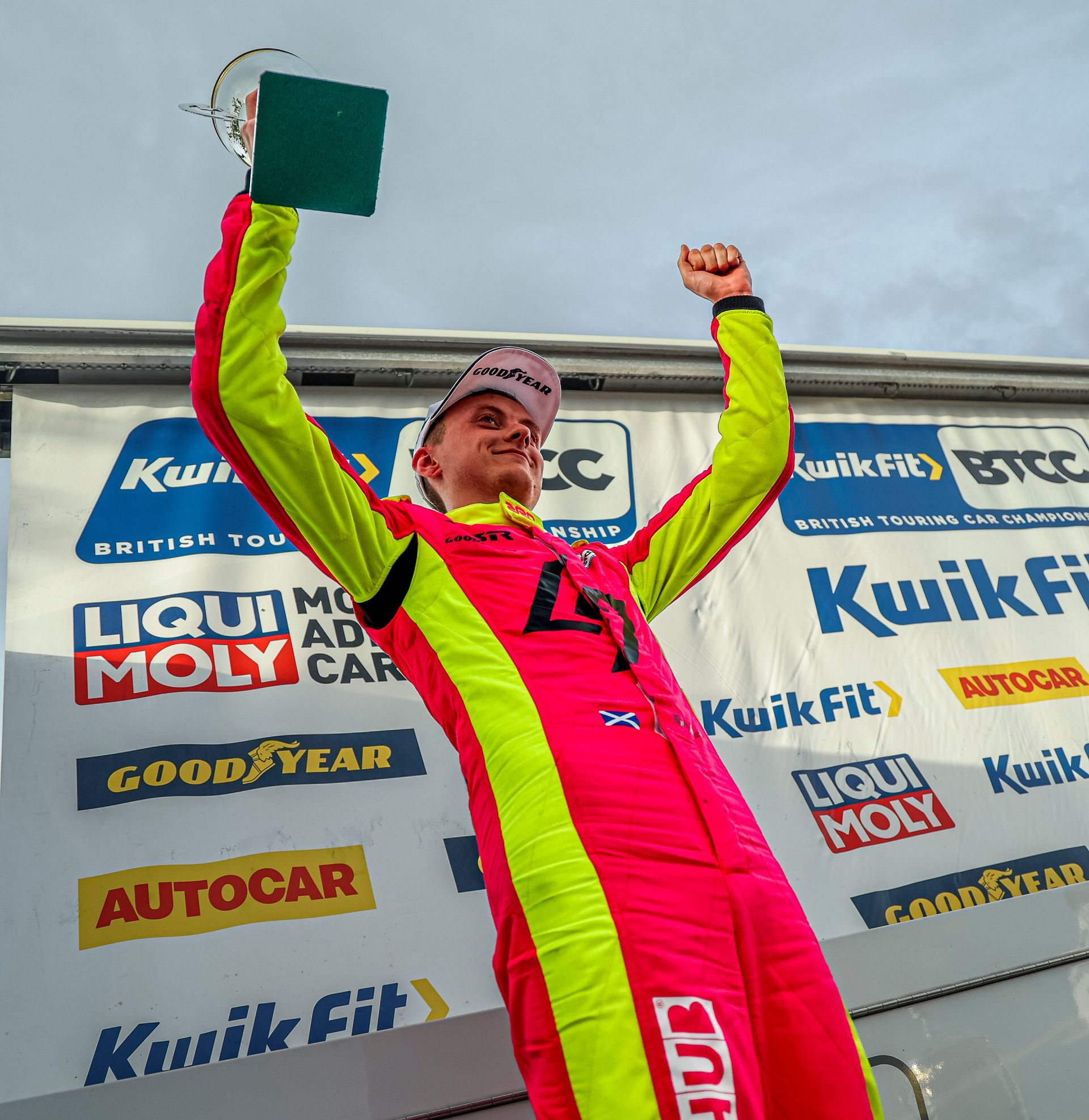
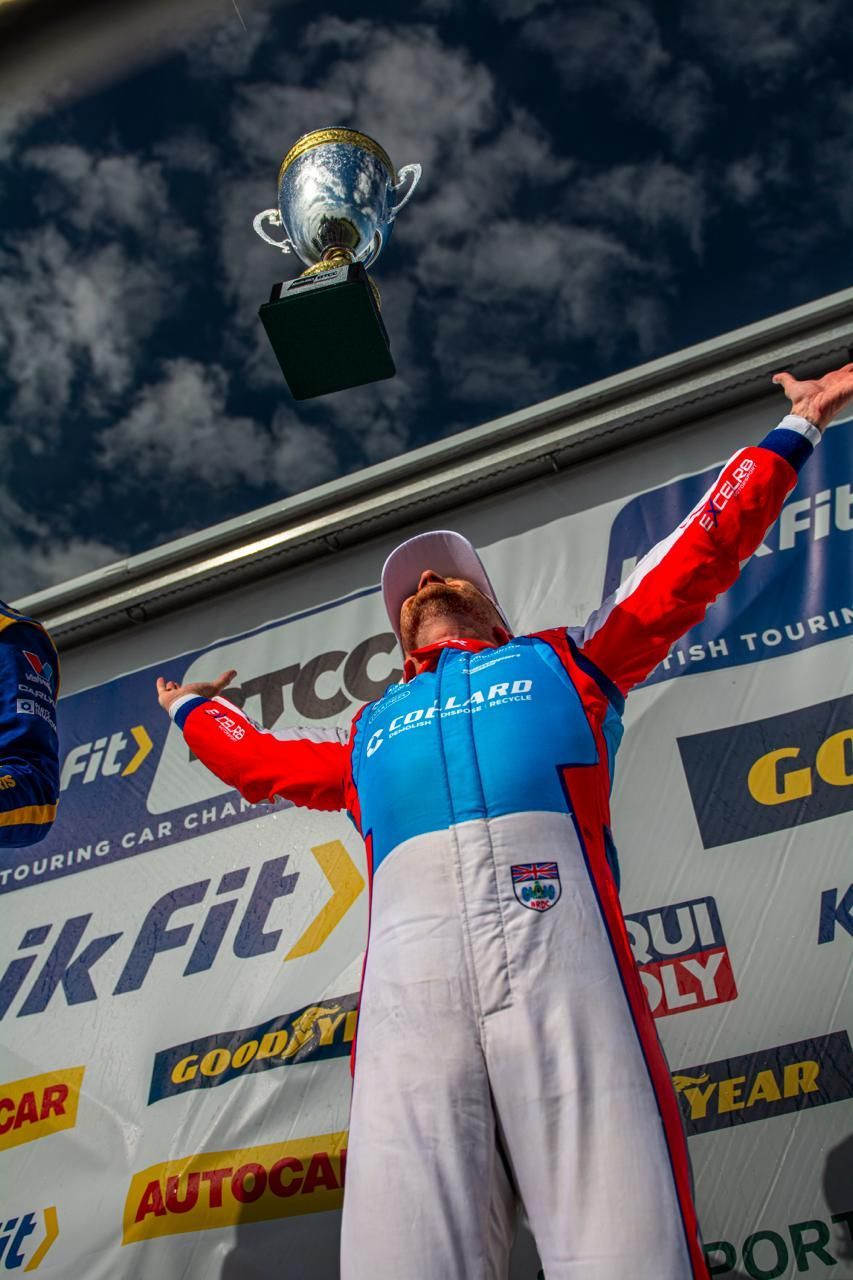
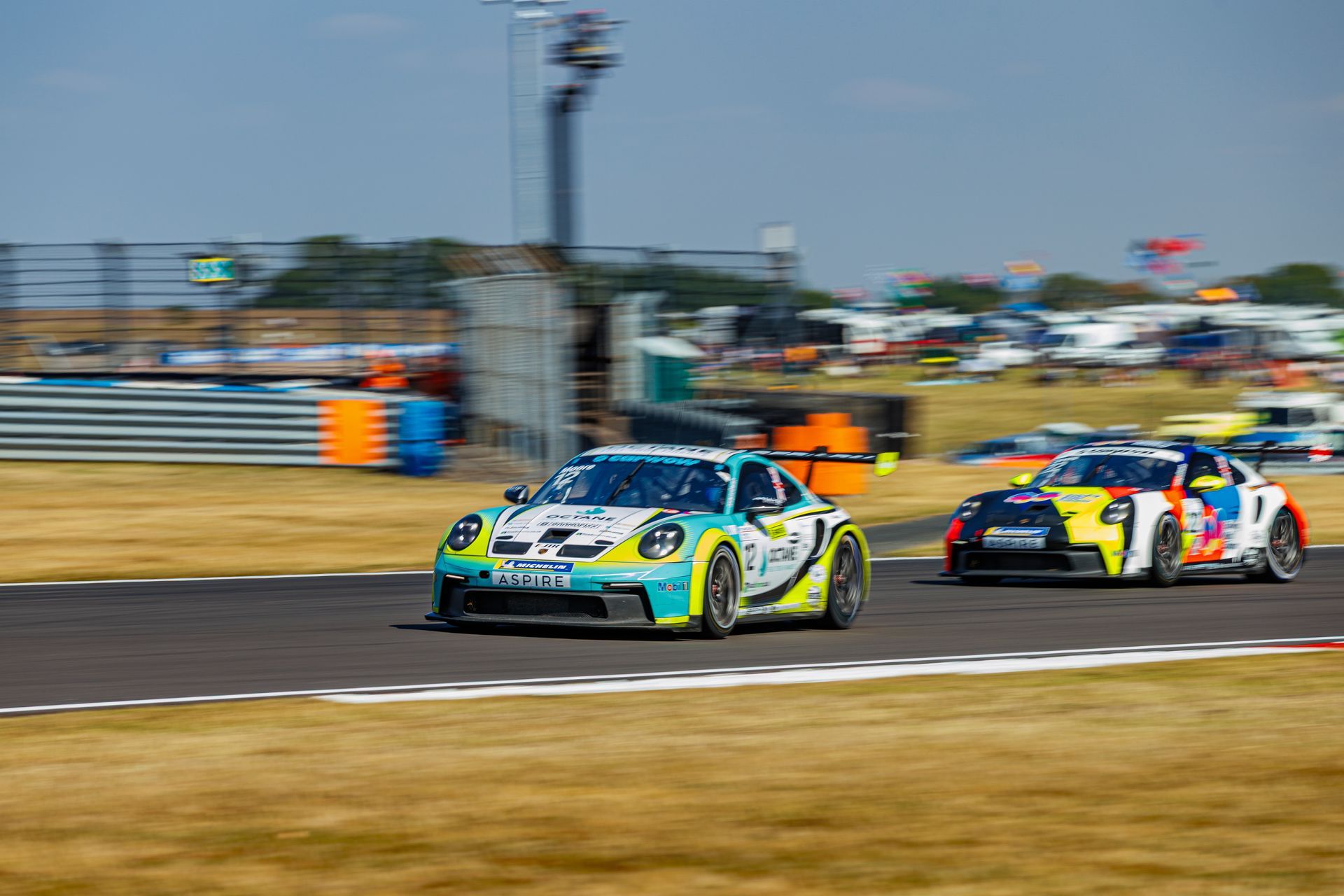
BTCC has genuinely good bones as a sponsorship property. Free-to-air ITV coverage of more than 10m eyes. Strong UK audience loyalty. A paddock culture that's more accessible and personable than the rarefied atmosphere of an F1 paddock. Competitive racing that produces genuinely unpredictable outcomes and a solid demographic that maps well onto a lot of B2B and premium consumer brands.
What BTCC is missing is the media layer. The series hasn't found its Liberty/Drive to Survive equivalent — the content format that would take the drama of the paddock and the personalities of the drivers and distribute it through a platform like Netflix or Amazon Prime to an audience that isn't already watching ITV Sport on Sunday afternoons. Without that, the series can be constrained to reaching people who are already motorsport fans, which limits both the audience size and the activation possibilities for sponsors trying to reach beyond that core demographic. Its also suffering from the opportunity relevancy complex caused by the UK and European car market. Randomly this is the bit that EV and BTCC regulations are missing because if they paddock had a mix Electric and ICE vehicles it would be supremely representative of both the UK and European markets. You will note here that the one overriding subject that we are talking about in all this is simply about audience relevancy. We've barely mentioned entertainment because assuming it's entertaining at a level (lets not forget two of the most boring sports Cricket and Baseball are loved by someone)if you can tie relevancy to that you have an open audience and you also have engaged sponsorship players.
The activation model that works for BTCC is what I'd call the layering protocol. You start with the TV asset, your branding in the ITV coverage, your logo visible or mentioned across the broadcast. You layer digital content on top, behind the scenes access, driver content, race weekend coverage across social channels. You layer fan and UGC engagement on top of that such as hospitality, driver appearances, competition mechanics. And then you layer performance marketing on top of all of it, using the awareness built by the above to drive specific commercial outcomes. That's a coherent, measurable activation model. What doesn't work is buying the TV asset and stopping there, note to KwikFit and Goodyear both are missing a few tricks.
The brands that have done this well in BTCC have treated the sponsorship as a content platform rather than a broadcast media buy Halfords and eBay did a stellar job of this as do some current partners Vertu and Napa Auto Parts. The racing gives you access to compelling material fast cars, competition, human drama, technical depth and that material can be distributed across every digital channel you operate. But you have to actually produce the content, which means a production partner who understands motorsport and can be at the track. Which, since I'm being transparent about who we are and what we do, is exactly what we provide.
The Honest Conclusion
Most sponsorship budgets are not too small. Most activation budgets are. Companies frequently spend ten times more on acquiring the rights than on exploiting them, which is commercially backwards. The value in a motorsport sponsorship is not inherent in the logo on the car. It's unlocked through what you do with the access, the content rights and the association you've bought.
Every series covered in this piece offers genuine commercial opportunity for the right brand with the right activation strategy. Formula One at scale, with the Drive to Survive audience effect and the Liberty Media commercial machine behind it, is the broadest platform. BTCC is the most accessible and arguably the most honest value for money for UK brands at a sensible investment level. MotoGP is in a transitional period that may create genuinely good entry value for brands prepared to move quickly. Formula E requires the most careful interrogation of whether the audience and access actually match your commercial objectives.
In every case the question is the same: not "can we get our logo on this?" but "can we build a commercially coherent activation strategy around what this platform gives us access to?" If the answer is yes, and if you have a partner who knows how to execute that activation, motorsport sponsorship can be one of the most efficient marketing investments available. If the answer is no, or if nobody on your team is thinking about activation at all, you're going to spend a lot of money on photos of your logo in places most of your customers will never see.
We spend a lot of time having this conversation with brands before they commit to a sponsorship. Not because we want to talk them out of it, we want to find the right partners and execute brilliantly for them but because a sponsorship that delivers genuine commercial return is the kind that gets renewed and grows. That's better for everyone. If you're evaluating a motorsport investment, or you're mid-deal and wondering whether you're getting the most out of it, that's a conversation worth having before the next cheque gets written.
Want This Done For You?
SuperHub helps UK brands with video, content, SEO and marketing that actually drives revenue. No vanity metrics. No bullsh*t.