

Video Production for Brands: A Practical UK Guide
Let’s be honest. Strategic video production for brands isn’t about making flashy creative projects that win awards but don't move the needle. It's about creating video that directly drives enquiries, lands sponsorship deals, or sells products. It’s a tool for generating measurable business results, a world away from the glossy corporate waffle that modern audiences have learned to tune out.
Why Brand Video Production Is a Must-Have

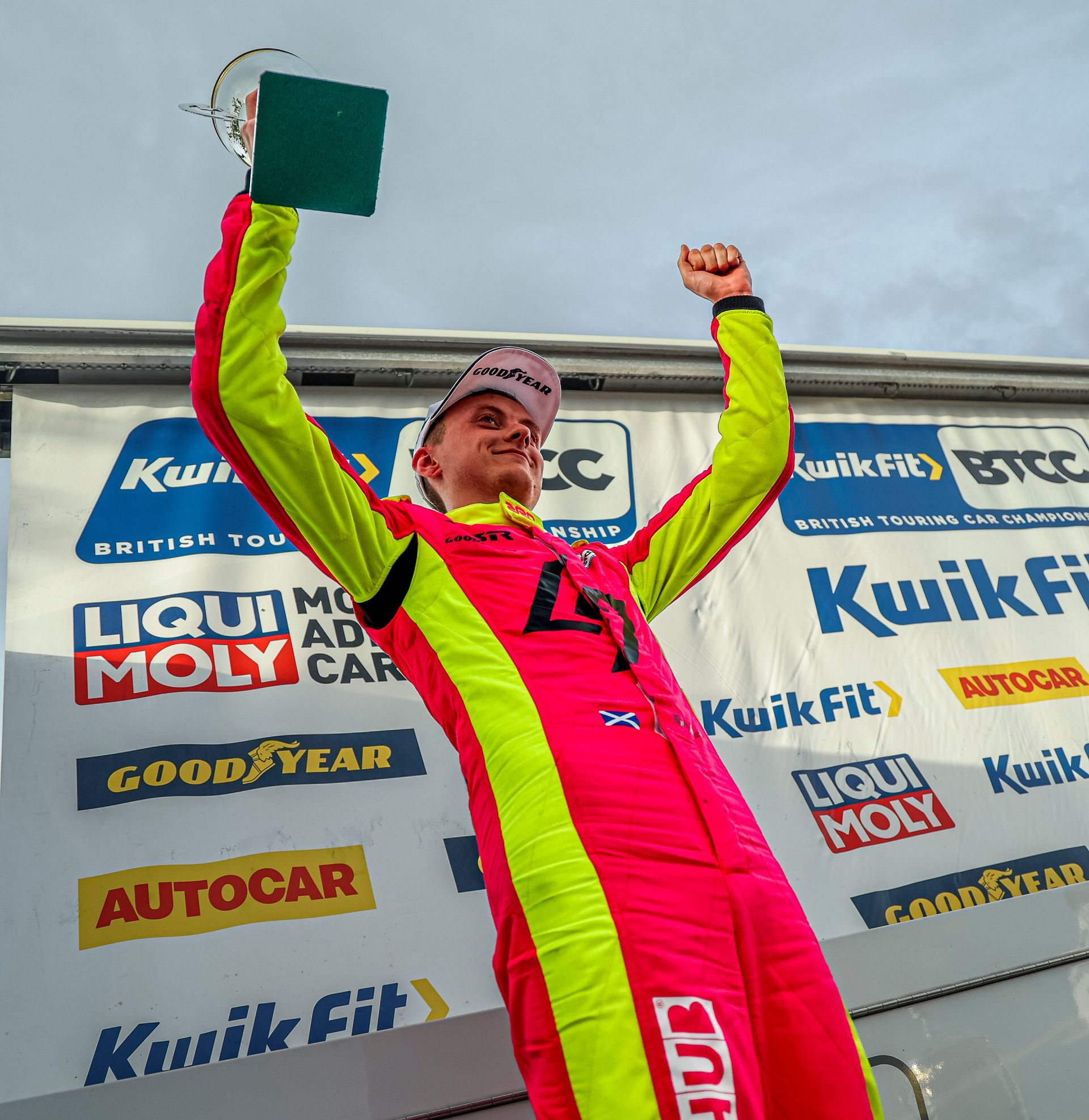
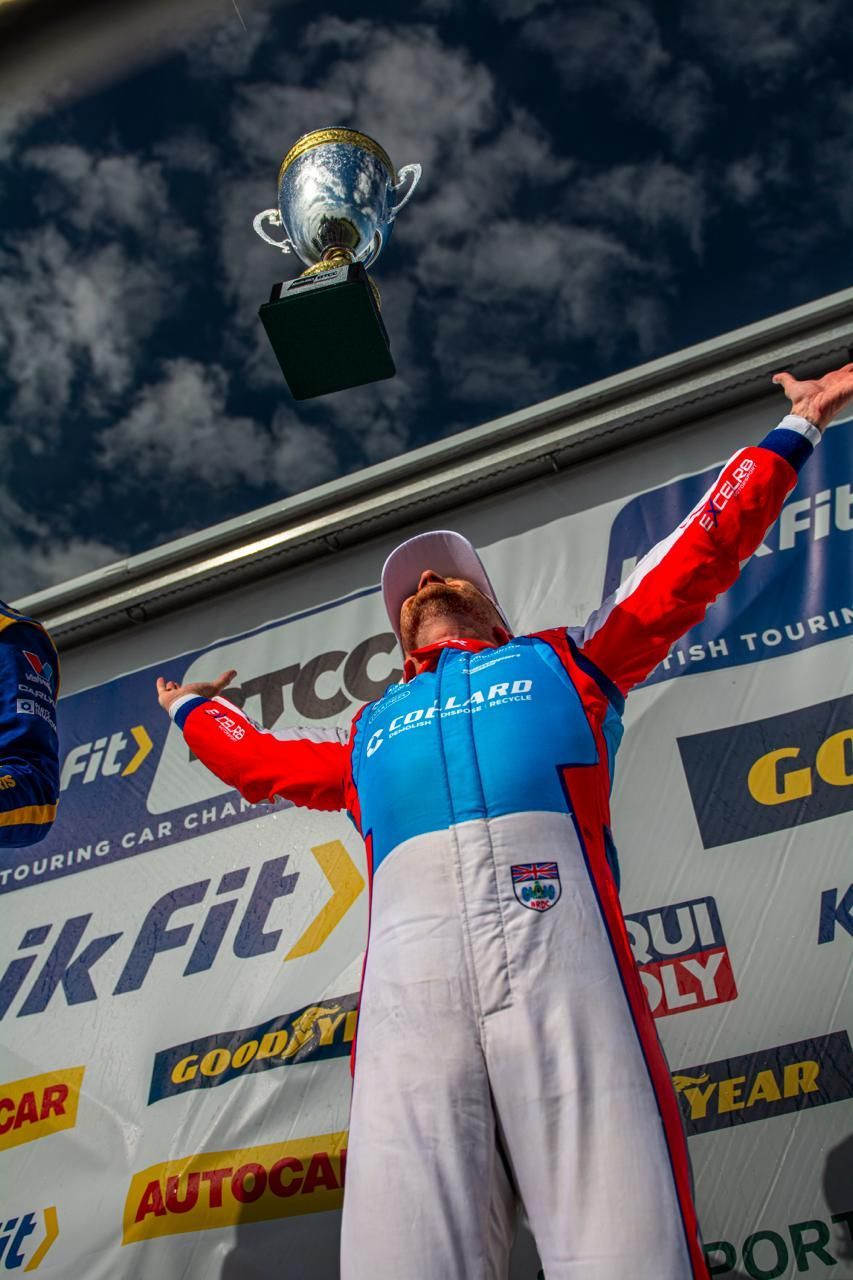
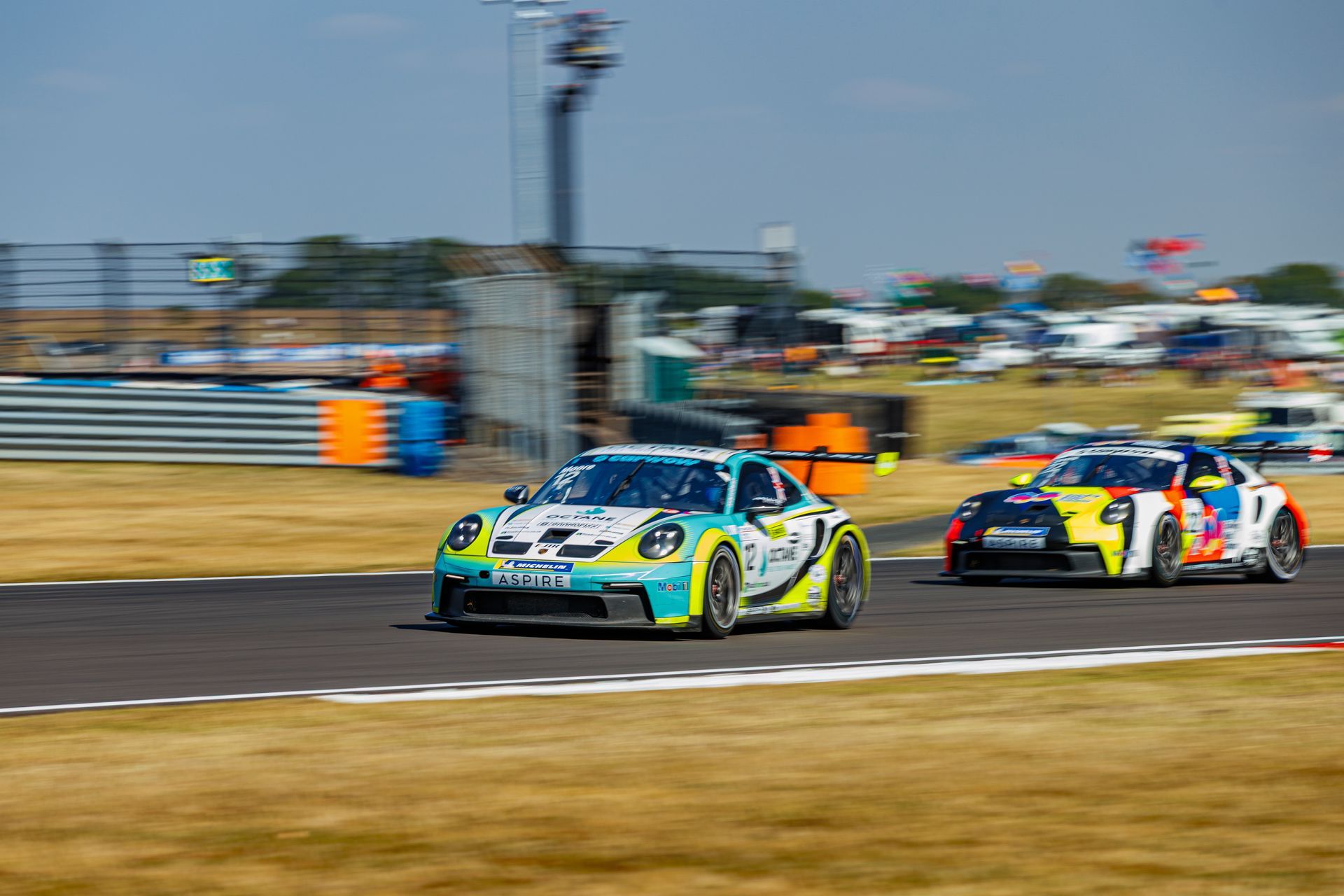
In a world saturated with generic marketing messages, authentic video cuts through the noise. Whether you’re running a motorsport team at Silverstone or a tourism business in Devon, video is no longer a 'nice-to-have'. It's a fundamental part of a results-driven strategy.
The numbers don't lie. In 2023, the UK video production market generated a staggering USD 5,925.4 million in revenue. Projections show this figure soaring to USD 36,011.1 million by 2030, fuelled by a compound annual growth rate of 29.4% from 2024. For UK businesses frustrated with underperforming marketing, this signals a massive opportunity.
Moving Beyond Vanity Metrics
This is where so many agencies get it wrong. They get distracted by vanity metrics like 'views' and 'likes'. But what's the real value? A video with 100,000 views that generates zero leads is a failure. A video with 1,000 targeted views that results in 10 qualified enquiries for your business is a success. Simple as that.
Effective video production for brands focuses on tangible outcomes:
- Generating Leads: Creating content that prompts a potential customer to pick up the phone or fill out a form.
- Building Trust: Using documentary-style storytelling to show the real people and passion behind your brand, fostering a genuine connection.
- Driving Sales: Showcasing your product or service in action, clearly demonstrating its value and encouraging a purchase.
- Securing Investment: Crafting a compelling narrative for a motorsport team to attract high-value sponsors.
The goal is to make your phone ring, your inbox ping, and your sales figures climb. If your video isn’t doing that, it’s just noise.
This approach requires a shift in mindset. It's about deeply understanding your audience and creating content that solves a problem or fulfils a desire for them. It’s about authenticity, not just aesthetics. By grasping these core principles, you'll see why a robust video strategy is crucial.
If you want to go deeper, you might be interested in our guide on the power of video marketing in the digital age. This practical focus ensures every pound you invest in video works hard for your business, delivering a return you can actually measure.
The Three Stages of Professional Video Production
Ever wondered how a professional video goes from a rough idea on a whiteboard to a polished asset driving your business forward? It’s a structured journey, not a mysterious creative whim. Forget the industry mystique; this is a practical, behind-the-scenes look at how it all comes together.
Understanding these three phases demystifies the entire operation. It shows you exactly what you’re paying for and, more importantly, how you can be an effective partner in the process. When you know what’s happening at each stage, you help ensure the final video perfectly aligns with your commercial goals.
Stage 1: Pre-Production
Honestly, this is the most important stage of any project. Solid pre-production is the foundation for a smooth, on-budget, and successful shoot. Getting this part right saves immense time, money, and headaches down the line. It's where we move from a great idea to a concrete plan.
The key activities here include:
- The Creative Brief: We work with you to nail down the core objective. Is it to generate leads for your Devon-based trade? Secure sponsorship for a BTCC campaign? This brief defines the audience, key message, and the result you want to see.
- Concept and Storyboarding: This is where the idea really starts to take visual form. We develop a concept and map out the entire video shot-by-shot with a storyboard. This makes sure everyone is on the same page before a camera even comes out of its case.
- Scriptwriting: A tight script keeps the message concise and powerful. For documentary-style content, this might be a set of guiding questions for interviews rather than a word-for-word script, keeping things authentic.
- Logistics and Scheduling: This is the nuts and bolts. It covers everything from location scouting and securing permits to casting actors or booking interview subjects. We create a detailed call sheet outlining the schedule, location, and contacts for everyone involved on the day.
Pre-production is 90% of the work. It's the boring but essential planning that allows the ‘magic’ to happen on schedule and on budget. Rushing this stage is the number one cause of failed video projects.
Stage 2: Production
This is the "lights, camera, action" part of the process—the actual shoot day(s). Because of all the meticulous planning in pre-production, this stage should run like a well-oiled machine. The director and crew work from the storyboard and shot list to capture all the footage we need.
Your role here is to be on hand to answer questions and give feedback, making sure what we’re capturing feels right for your brand. For instance, if we're filming in your engineering workshop, you're the expert who can confirm a process is shown accurately. Following proven video production best practices throughout is what makes the final cut stand out.
Stage 3: Post-Production
This is where the story truly comes to life. The raw footage captured during the shoot is handed over to the editing team, who assemble it all into a compelling narrative. It’s a detailed and often time-consuming phase, but it’s where the final polish is applied.
Post-production breaks down into several key steps:
- Editing: The editor pieces together the best takes according to the script and storyboard, shaping the story and creating a "rough cut."
- Colour Grading: Next, the footage is colour-corrected and graded. This creates a consistent, professional look and feel that matches your brand’s visual identity and gives the video that polished, cinematic quality.
- Sound Design and Mixing: Audio is just as important as the visuals. This step involves cleaning up dialogue, adding music, and incorporating sound effects to really enhance the emotional impact.
- Graphics and Titles: Any on-screen text, logos, or motion graphics are added to reinforce the key messages.
- Review and Delivery: We'll share a draft for your review. After we’ve incorporated your feedback and made the final tweaks, the finished video is exported in all the right formats for your website, social media, or event.
Strategic Video Formats That Deliver Real Results
Picking the right video format is like choosing the right tool for a job. You wouldn't use a hammer to cut wood, and a generic corporate video won't land you a high-value motorsport sponsor. Forget the one-size-fits-all approach. Smart video production for brands means selecting a format that’s built to achieve a specific goal.
Not all videos are created equal. Some are designed to build deep, emotional connections over time, while others are built for immediate action. Understanding the strategic purpose behind each format is the first step towards creating content that delivers real, measurable results—not just hollow view counts.
The flowchart below shows the core stages every strategic video project moves through, from the initial idea right through to final delivery.

This process shows how success is built on a solid foundation. Meticulous planning in pre-production directly informs the shoot and, ultimately, shapes the final edit. Every video format we discuss below follows this structured journey.
The Brand Documentary
This is where you tell your real story. A brand documentary goes beyond a simple sales pitch to showcase the people, passion, and purpose driving your business. It builds an authentic emotional connection that a glossy advert simply can't replicate.
- For a UK motorsport team: Think a "behind the scenes" series documenting the grit and determination of a race weekend. It’s content that fans and potential sponsors will genuinely connect with.
- For a heritage brand: It’s an opportunity to explore your history, craftsmanship, and legacy, building trust and justifying a premium price point.
This format isn’t about a quick sale. It's a long-term play to build brand loyalty and create advocates who are invested in your journey.
High-Impact Promotional Videos
When your goal is immediate action, you need a high-impact promo. These videos are short, sharp, and focused on a single, clear call to action. They're designed to grab attention quickly and persuade the viewer to do something now – whether that’s booking a test drive, requesting a quote, or visiting your venue.
A great promotional video doesn't just show what you do; it makes the viewer feel like they are missing out by not taking the next step. It creates urgency and desire.
For an automotive dealership, this might be a 60-second video showcasing a new model's key features, ending with a direct call to book a test drive. For a Devon tourism business, it could be a fast-paced edit of stunning local scenery and guest experiences, driving viewers straight to a booking page.
Snackable Social Media Content
Attention spans on social media are notoriously short. "Snackable" content is designed specifically for platforms like Instagram, TikTok, and Facebook. We’re talking vertical videos, quick cuts, and engaging visuals that work even without sound.
These are not just cut-down versions of longer videos. They are purpose-built to stop the scroll and deliver a message in under 30 seconds . A tradesperson in the South West could use this format for quick "how-to" tips or satisfying before-and-after project reveals, establishing expertise and keeping their brand top of mind. For more inspiration, check out our guide covering different types of videos for marketing your brand.
Customer Case Study Videos
There is no sales tool more powerful than a happy customer. A case study video, or video testimonial, delivers undeniable social proof by letting your best clients tell their success stories in their own words.
Hearing a fellow business owner explain how your service solved their problem is far more convincing than you saying it yourself. This format is incredibly effective for B2B companies, professional services, and high-value products where trust is a critical factor in the buying decision. Imagine a manufacturing client explaining how your solution increased their efficiency – that's a video that closes deals.
Budgeting and Timelines Without the Bullsh*t
"So, how much does it cost?" It’s the first question on every business owner’s mind, and rightly so. A lot of agencies get cagey here, but we believe in straight talk. The price of brand video production isn’t pulled from thin air; it’s a direct reflection of the time, talent, and tech needed to get the job done properly.
The budget is shaped by real, tangible factors. Think crew size, camera and lighting gear, and the number of shoot days. A single-day shoot at one location with a two-person crew is a completely different beast to a multi-day production across several sites with drone operators and complex lighting rigs.
And it’s not just about our day rates; this is about a whole ecosystem. The UK's motion picture production industry, which includes video for brands, is on track to become an £8.1 billion market by 2026. This growth, fired up by the streaming giants, means there’s a huge pool of talent and technology to draw from. It allows for scalable solutions perfect for South West tourism operators, garages, and even BTCC teams. You can dig into the numbers in the full IBISWorld industry report.
Decoding the Costs
Let’s break down where the investment actually goes. It’s about more than just pointing a camera and hitting record. The costs are typically split across the three main production stages.
- Pre-production: This is all the upfront thinking—strategy, scripting, storyboarding, and logistical planning. A bigger, more ambitious idea simply needs more time on the drawing board to get right.
- Production: The shoot itself. This covers crew wages, equipment hire (cameras, lenses, lighting, sound), location fees, and any travel or actor costs.
- Post-production: This is where we shape the story. It includes the editor's time, colour grading, sound design, music licensing, and motion graphics. More footage and more complex edits mean more time in the editing suite.
Think of it like building a house. You can build a solid, functional bungalow or a multi-storey mansion. Both are houses, but the budget, timeline, and materials are worlds apart. The same logic applies to video.
What to Expect for Your Budget
So, what’s a realistic budget? Here’s a no-nonsense breakdown of what your investment gets you.
- Sub-£2,000: At this level, you’re looking at a simple but professional single-location video. Think a straightforward customer testimonial or a basic "talking head" explainer, shot efficiently in half a day. It’s a great way to get started and test the waters.
- £3,000 - £7,000: This is the sweet spot for many small and medium-sized UK businesses. This budget unlocks a full-day shoot, a small, skilled crew, more advanced kit, and more time in post-production for a properly polished brand promo or a detailed case study.
- £10,000+: Now we're getting into more complex productions. This could fund a multi-day brand documentary, a promotional film with actors across several locations, or content needing specialist gear like high-speed cameras for a motorsport shoot.
Project Timelines From Brief to Delivery
Time is money, so understanding the timeline is just as crucial as the budget. Rushing the process is a recipe for a poor result. From our first chat to you getting the final files, a typical project follows a clear path.
- Briefing & Planning (1-2 weeks): This is the vital pre-production phase where we pin down your goals and map everything out.
- Production (1-5 days): The actual shoot days. This can vary from a single day to a full week depending on the project.
- Post-Production (2-4 weeks): The editing, feedback rounds, and final polishing all happen here.
All in, a simple project can be turned around in 3-4 weeks , whereas a more ambitious brand documentary might take 8 weeks or more . The key thing is that we provide a clear timeline upfront, so you know exactly what to expect and can plan your marketing calendar around the launch.
Maximising Your Video's Reach and Impact

Here's a hard truth: creating a brilliant video is only half the job. A cinematic masterpiece sitting unseen on a hard drive has an ROI of precisely zero. The real work begins after the final cut. Getting that video in front of the right eyeballs is what separates a pretty file from a business asset.
This is where so many brands miss the mark. They upload to YouTube, maybe share it once on their socials, and then sit back, wondering why the phone isn’t ringing. Effective distribution is what turns your creative investment into a hard-working, lead-generating machine. It’s not about spraying and praying; it’s about surgical precision.
Placing Your Video for Performance
Where you put your video directly dictates the results you’ll get. Different platforms exist for different reasons, and a smart strategy milks each one for what it’s worth. Forget just throwing it on social media and hoping for the best.
Three channels form the bedrock of a solid distribution plan:
- Your Website: This is your home turf. Embedding videos on key pages—your homepage, service pages, or product pages—can massively lift engagement and conversion rates. A video showing your product in action is infinitely more persuasive than a wall of text.
- YouTube SEO: People forget that YouTube is the world's second-biggest search engine. By optimising your video with the right keywords, a killer title, and a proper description, you can rank for the exact terms your customers are typing into Google.
- Paid Social Advertising: Platforms like Facebook, Instagram, and LinkedIn offer insanely powerful targeting. You can put your video directly in front of motorsport fans within a 50-mile radius of Silverstone or CEOs of manufacturing firms in the North West. It’s that specific.
Optimising for Clicks and Conversions
Once your video is in the right place, you have to convince people to actually watch it. In a crowded feed, the tiny details make all the difference. This isn’t about creative flair; it's about practical, results-driven tweaks.
A great video is useless if nobody clicks play. Your thumbnail and title are the gateway to your content; they must be treated as a crucial part of your marketing, not an afterthought.
Key elements to nail every time include:
- The Thumbnail: Think of this as your video’s shop window. It needs to be high-quality, eye-catching, and instantly tell someone what they’re about to see. A blurry screenshot won’t cut it. Custom design is always the way to go.
- The Title and Description: Use clear, keyword-rich titles that tell both humans and search algorithms what your video is about. Your description should expand on this, adding context, links, and a clear call to action.
- Captions: A huge percentage of social media videos are watched with the sound off. Adding clear, accurate captions is non-negotiable for accessibility and making sure your message lands, even in silence. In fact, the use of AI-generated captions has doubled for the second year running as businesses recognise their importance.
Ultimately, turning a video shoot into a genuine sales asset requires a joined-up approach. To dig deeper into this, you might find our guide on how to maximise the ROI of your video content useful.
By combining a quality production with a smart distribution and optimisation strategy, you ensure your investment delivers a return you can actually see in your bottom line.
Choosing the Right UK Production Partner
With so many production companies out there, finding a partner who actually gets your brand and delivers results can feel like a mission. It’s not about finding someone with a nice camera. It’s about finding a team that understands your commercial goals, speaks your industry’s language, and has a track record of delivering measurable returns, not just pretty pictures.
The UK's creative sector is booming. By 2020, the country was home to 16,240 companies working in film and video production, a 4.3% increase from the previous year. While this gives you plenty of choice, it also means you need a sharp eye to sift through the noise and find a partner who won't just burn your budget on a vanity project. You can discover more insights about the thriving UK film and video sector on socialfilms.co.uk.
Beyond the Portfolio
A flashy showreel can be deceptive. Any team can string together their best-looking shots, but that doesn't tell you if the video actually worked. When vetting a potential partner, you have to look deeper and ask the right questions.
Start by digging into their case studies. Look for evidence of strategic thinking and, most importantly, results. Did their film for a motorsport client actually help secure sponsorship? Did their work for a hotel lead to a measurable uplift in bookings?
A great portfolio shows what a company can do. A great case study proves what they have done. Don't be swayed by aesthetics alone; demand proof of performance.
The Red Flags to Watch Out For
Steering clear of the wrong agency is just as important as finding the right one. Be wary of partners who show these warning signs:
- A "One-Size-Fits-All" Approach: If they pitch the exact same video idea to every client, they don't understand strategy. Your brand, audience, and goals are unique, and your video content should be too.
- No Industry-Specific Experience: A team that has never set foot on a racetrack or in a factory won't get the nuances of your business. A partner with genuine expertise in sectors like automotive, motorsport, or tourism is invaluable.
- Vague Answers on ROI: If they can't have a frank conversation about how to measure success beyond view counts, they are focused on the wrong things.
- An Over-Reliance on Jargon: A good partner makes the process clear and simple. Someone hiding behind technical jargon is either inexperienced or trying to obscure their process.
Finding Your Strategic Partner
The right partner acts as an extension of your team. They take the time to understand your business inside and out before a camera is even switched on. They challenge your ideas, offer strategic guidance, and are relentlessly focused on delivering the outcome you need.
When you're ready to select a partner for your brand's visual storytelling, exploring dedicated Video Production Services can help you find the perfect match. A good partner isn't just a supplier; they are a collaborator invested in your success.
Your Questions About Brand Video Answered
You’ve got questions, we’ve got straight answers. We find business owners are often curious about the practicalities of investing in professional video, so we’ve tackled the most common queries we hear. No jargon, just the information you need.
How Long Does It Take To Produce a Brand Video?
This really depends on the complexity of the project. A simple, single-location video, like a client testimonial, might be turned around in just 1-2 weeks from the initial brief to final delivery.
On the other hand, a more involved brand documentary with multiple shoot days, several interviews, and different locations could easily take 6-8 weeks or more.
The most critical part of the whole process is pre-production. A thoroughly planned project runs smoothly, on time, and avoids expensive delays down the line. We always provide a detailed, realistic timeline upfront so you know exactly what to expect and can plan your marketing activity around it.
Who Owns the Final Video and Raw Footage?
Ownership should always be made crystal clear in your contract before any work begins. Our approach is straightforward: you, the client, own the final, delivered video files. You’re free to use them on your website, social media, at events—wherever you like, forever.
We typically retain ownership of the raw, unedited camera files. This is standard practice. However, if you need access to all the original footage, that can be arranged. We can negotiate a transfer of the raw files as part of the project scope, usually for an additional fee to cover hard drives and file management.
What Is a Realistic Budget for a Small UK Business?
You don’t need a Hollywood budget to get professional, high-impact results. For many small to medium-sized UK businesses, a quality video project is far more accessible than you might think.
- Entry-Level Projects (£1,500 - £3,000): This range is perfect for a professionally shot case study, a simple promotional video, or a batch of social media clips all captured in a single day.
- Core Brand Videos (£5,000 - £15,000+): This budget opens the door to more involved productions. Think multi-day shoots, more complex graphics and editing, or creating the hero content for a key marketing campaign.
The most important first step is to define your business goal. A good partner won’t try to sell you a £10,000 video when a £2,000 one will achieve your objective. They’ll advise on what’s realistically possible within your budget.
How Do I Measure the ROI of a Brand Video?
Forget vanity metrics like 'views' or 'likes'. The true return on investment from your video is measured against your actual business goals. Success isn't about how many people watched; it’s about how many of the right people took action.
Measure what really matters to the bottom line:
- Lead generation: Track form completions on a landing page featuring your video.
- Sales enquiries: Monitor the increase in quote requests that mention seeing a video.
- Direct conversions: Measure sales driven directly from social media ad campaigns that use the video.
- Sponsorship: For a motorsport team, the ultimate ROI is securing that sponsor deal.
We help you set up the right tracking from the start, ensuring we can measure the outcomes that actually move your business forward.
Ready to create video content that delivers real results, not just views? The team at SuperHub , a Devon-based digital marketing agency, has deep experience producing strategic video for brands in the motorsport, automotive, and tourism sectors. We skip the fluff and focus on what works. Get in touch to discuss your project.
Want This Done For You?
SuperHub helps UK brands with video, content, SEO and marketing that actually drives revenue. No vanity metrics. No bullsh*t.