

Which Formula 1 Team Should You Sponsor?
If you've landed here you've probably already had the internal conversation. Somebody senior likes Formula 1, somebody in finance has asked what it costs, and somebody in marketing has been told to find out whether it's a serious option or an expensive day out.
The question everybody asks first is which team. It's the wrong question, but it's the right instinct, so let's answer it properly.
Start With What You're Actually Buying
Before any team name comes into it, work out which of these you're paying for, because they lead to completely different answers.
Global brand awareness. You want the logo in front of the largest possible audience across the most territories. Front running teams, maximum exposure, maximum cost.
B2B relationships. You want to put your biggest customers in a paddock club and let your sales team work. Hospitality access matters far more than logo size, and a midfield team with good facilities delivers this at a fraction of the price.
Territory entry. You're breaking into a specific market. The right answer is a team with genuine presence and commercial infrastructure in that market, which is not always the fastest one.
Technology credibility. You want association with engineering excellence, and the deal involves your product actually doing something on the car. This is a technical partnership and it's negotiated completely differently.
Talent attraction and internal culture. Underrated and increasingly common. You're buying something your staff care about. Access and experiences beat broadcast exposure every time here.
Most briefs we see list three of these and prioritise none of them. Do the prioritising first and the shortlist narrows itself.
The Tiers, Honestly
Formula 1 teams sort into rough commercial bands, and the price gap between them is enormous while the audience gap is much smaller than you'd expect. Every car on the grid appears in the same broadcast.
Front running teams
Maximum visibility, maximum credibility, maximum cost, and the least flexibility. You will be one of many partners, your access will be tightly structured, and you will be negotiating with a commercial department that does this for a living and does not need you.
Right if you have the budget to be a meaningful partner rather than a small logo. Wrong if your budget makes you a rounding error, because a rounding error at a top team buys less than a headline position further down the grid.
Established midfield teams
Where most sensible corporate money goes, and where the commercial conversation is genuinely bilateral. You get more prominence for your money, more flexible activation, and a partnership team that will actually build things with you rather than sending you a rights schedule.
The audience is the same broadcast. The hospitality is the same paddock. What you give up is the podium probability and some of the reflected glory.
Teams rebuilding or newly backed
Highest risk, highest available prominence, most negotiable terms. A team that needs partners will do things a team that doesn't need partners won't. If your appetite runs to a multi year deal and you can tolerate a difficult first season, this is where the value sits.
The Questions That Actually Determine the Answer
When we take a brand through this, the shortlist falls out of these rather than out of the standings.
What is your budget, honestly? Not what you'd like to spend, what will get signed off. Formula 1 partnerships span an enormous range and the honest number determines the tier before anything else does.
How many hospitality places do you need, and where? If your customers are in Germany and the team's allocation is weighted to races you can't get them to, the deal doesn't work regardless of how good it looks on paper.
What content rights do you need, and can you actually use them? Content rights are frequently the most valuable part of an F1 deal and the most wasted. If you haven't got a team who can turn paddock footage into something, you're paying for an asset you'll never open.
Who else is on the car? Category exclusivity matters more than most brands realise until they discover a competitor two panels along.
What happens if they finish last? Every partnership looks good in February. Ask what the deal delivers in a bad year, because you'll have at least one.
Is there a driver angle? Sometimes the right answer isn't a team at all. A driver partnership can deliver more usable content and more personal association for considerably less, and it travels with them if they move.
The Thing Most Brands Get Wrong
They pick the team first and work out the activation afterwards. It should be the other way round.
The deal is not the logo. The deal is what you do with the access, and the access is what varies most between teams. Two partnerships at the same price with different teams can deliver wildly different amounts of usable material depending on how the rights are structured and how willing the team is to work with you.
We've seen brands spend seven figures and generate less usable content in a season than a well run British GT programme produces in a weekend. Not because Formula 1 doesn't work, but because nobody planned what they'd do with it.
Decide what you're going to make, who's going to make it, and what it's for. Then find the team whose rights structure lets you make it.
Should It Be Formula 1 At All
Fair question and we ask it of every brand that comes to us about F1.
If you need global reach across many territories and you have the budget to be a genuine partner rather than a decal, Formula 1 is unmatched and nothing else comes close.
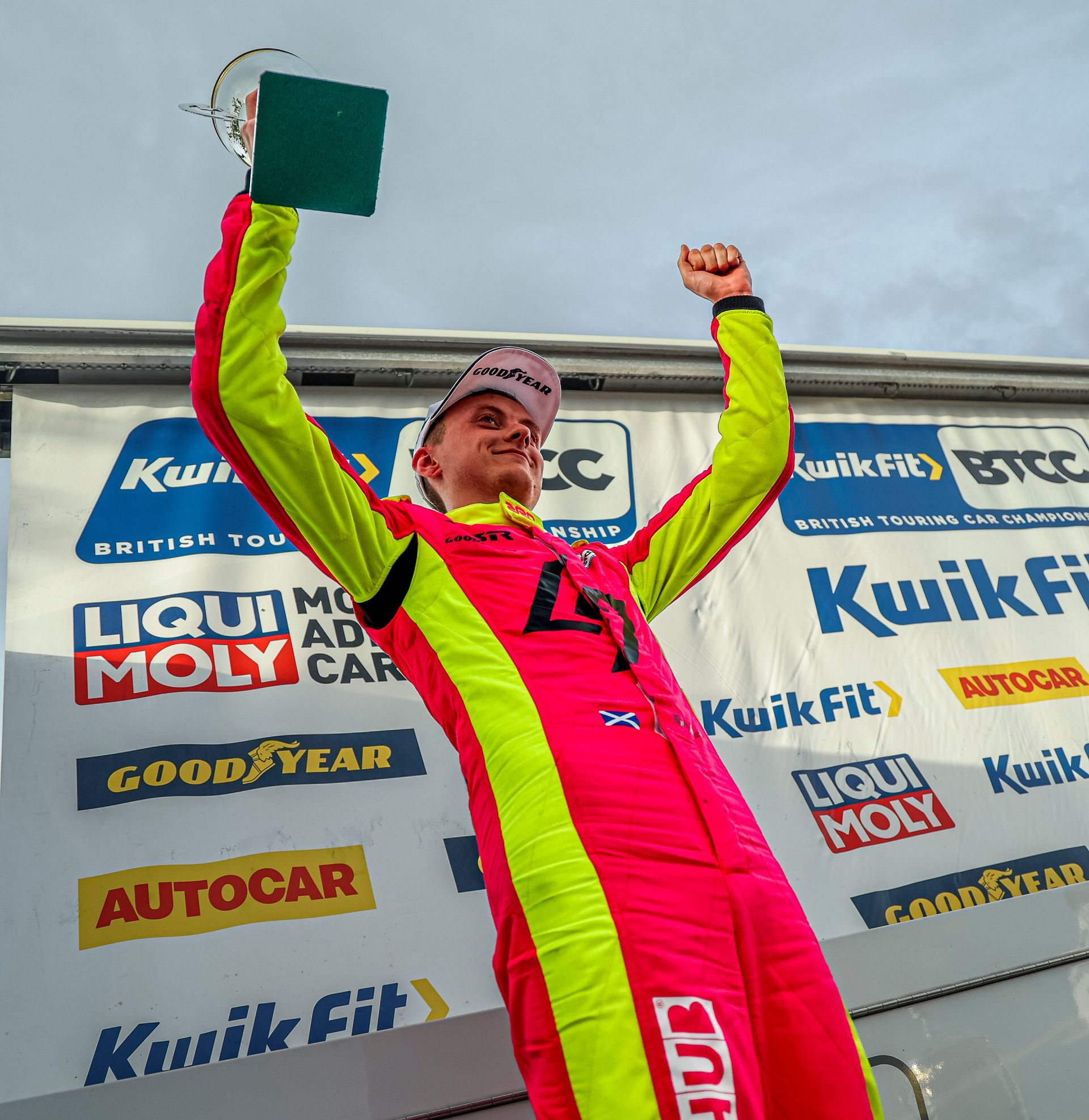
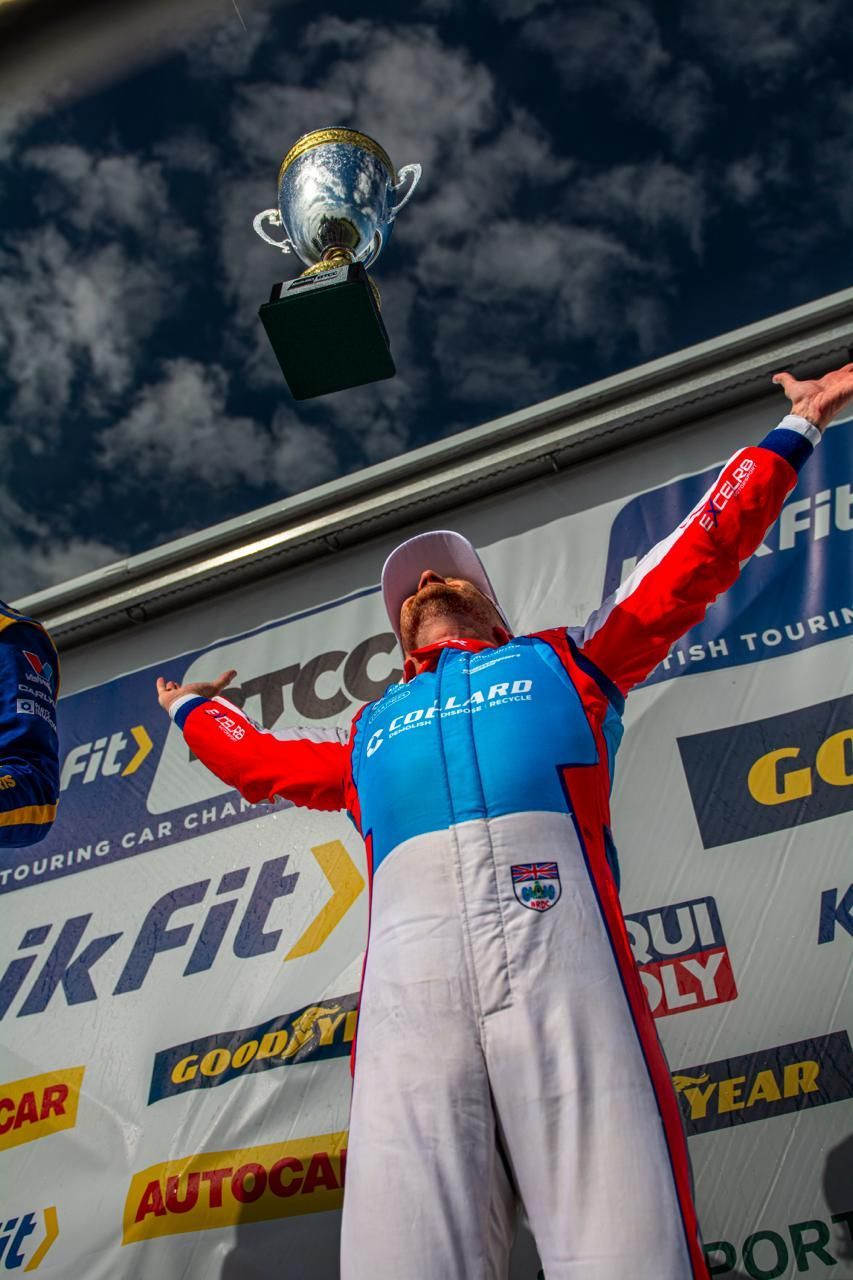
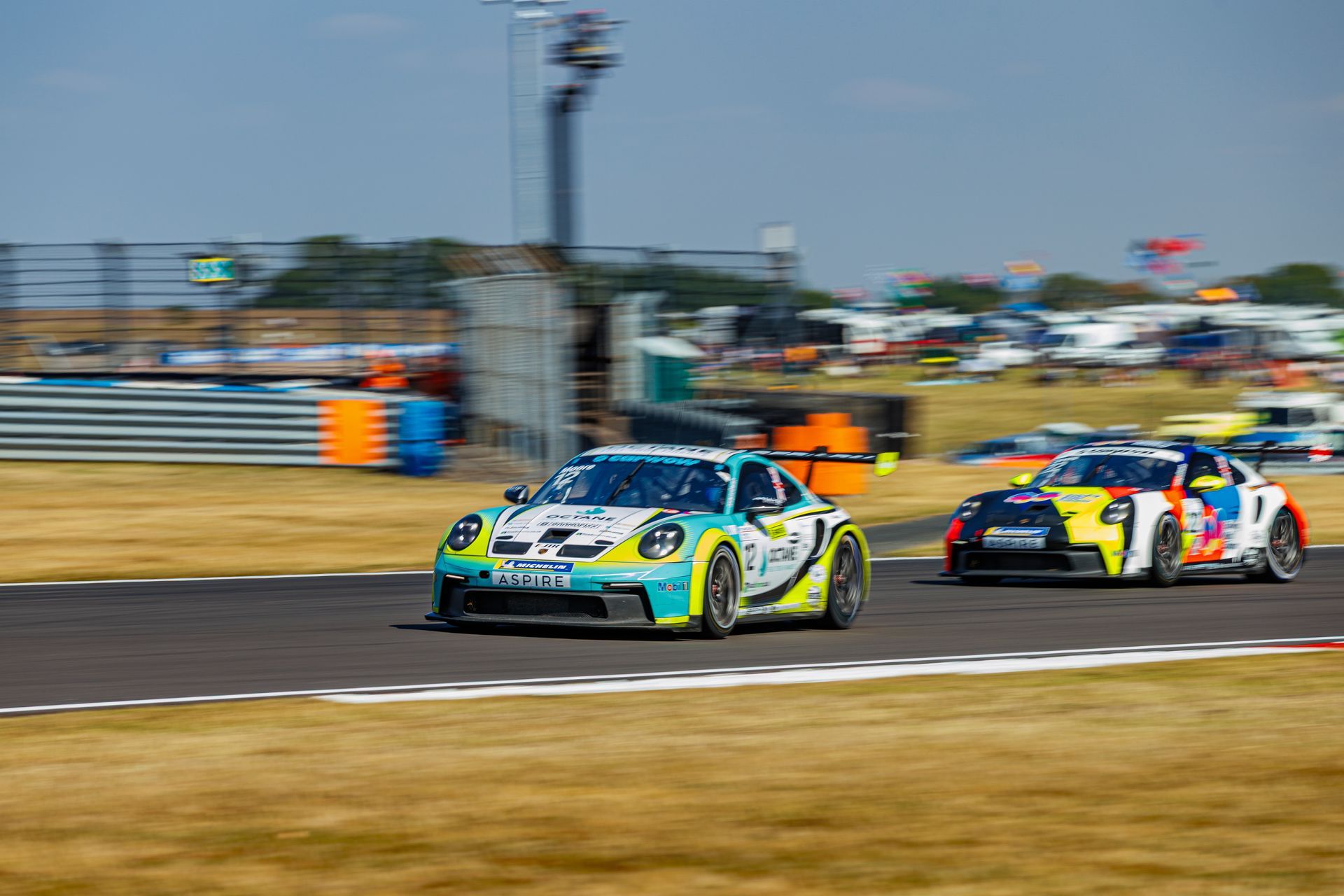
If what you actually want is British B2B relationships, hospitality your sales team will use, and content you can turn round quickly, then the BTCC delivers a tightly defined domestic audience at a fraction of the cost, and British GT gives you a premium demographic with genuinely intimate paddock access.
If you want the American market, IndyCar and NASCAR do things Formula 1 doesn't, at prices that will surprise you in both directions.
Formula 1 is the right answer more often than people think and far less often than people assume. The honest test is whether you'd still want it if the logo were invisible. If the answer is yes, because of the access and the content and the relationships, it's a good fit. If the answer is no, you're buying reflected glory and there are cheaper ways to do that.
Where to Go Next
"We've got a budget and no idea which team fits it." That's the conversation we have most. Book a call and we'll narrow it to two or three based on what you're actually trying to achieve, not on the standings.
"We've been approached by a team and we don't know if it's a good deal." Get it looked at before you sign. Our sponsorship audit exists for exactly this.
"We think F1 might be too big for us." It might be, and we'll say so. Read what motorsport sponsorship costs across the board and then talk to us about where your budget goes furthest.
"We already sponsor in F1 and we're not getting much out of it." Usually an activation problem rather than a deal problem, and usually fixable inside the existing contract. Get in touch.
Frequently Asked Questions
It depends on what you are buying rather than on the standings. Front running teams deliver maximum global visibility at maximum cost and minimum flexibility. Established midfield teams give more prominence per pound and a genuinely negotiable partnership. Teams rebuilding offer the most available prominence and the most negotiable terms at the highest risk. Decide first whether you are buying brand awareness, B2B hospitality, territory entry, technology credibility or staff engagement, because each points to a different tier.
Usually an established midfield team. The broadcast audience is identical for every car on the grid, the paddock hospitality is the same, and a midfield partnership buys materially more prominence and far more flexible activation than the same money spent as a minor partner at the front of the grid.
One with hospitality allocation at races your customers can actually attend, and a commercial team willing to build bespoke experiences. For B2B, the value sits in the paddock rather than on the bodywork, so hospitality capacity and location should drive the choice ahead of logo prominence or championship position.
A team deal gives you the car, the garage and the hospitality. A driver deal gives you a person, which usually means more usable content, more personal association and a lower price, and it travels if they change teams. For brands whose priority is content and storytelling rather than trackside branding, a driver partnership is often the better buy.
Category exclusivity, hospitality allocation by race and by number, content rights and whether you have the capability to use them, what the deal delivers in a poor season, and how the partnership is measured. Most disappointing partnerships are structurally sound deals that nobody planned an activation for.
No. Every car on the grid appears in the same broadcast to the same global audience. Championship position affects reflected credibility and podium exposure, not the fundamental reach. Brands buying B2B relationships, content or staff engagement frequently get better returns further down the grid.
It is unmatched if you need genuine global reach and have the budget to be a meaningful partner rather than a small decal. It is poor value if your objectives are domestic, relationship led, or content led, in which case the BTCC, British GT or a driver partnership will deliver more for less. The useful test is whether the deal would still be worth it if the logo were invisible.
James Foster is the founder of SuperHub and the author of Race Funded. SuperHub has placed more than thirty million pounds of motorsport funding and sponsorship across Formula 1, the BTCC, GT and club racing.
Want This Done For You?
SuperHub helps UK brands with video, content, SEO and marketing that actually drives revenue. No vanity metrics. No bullsh*t.